
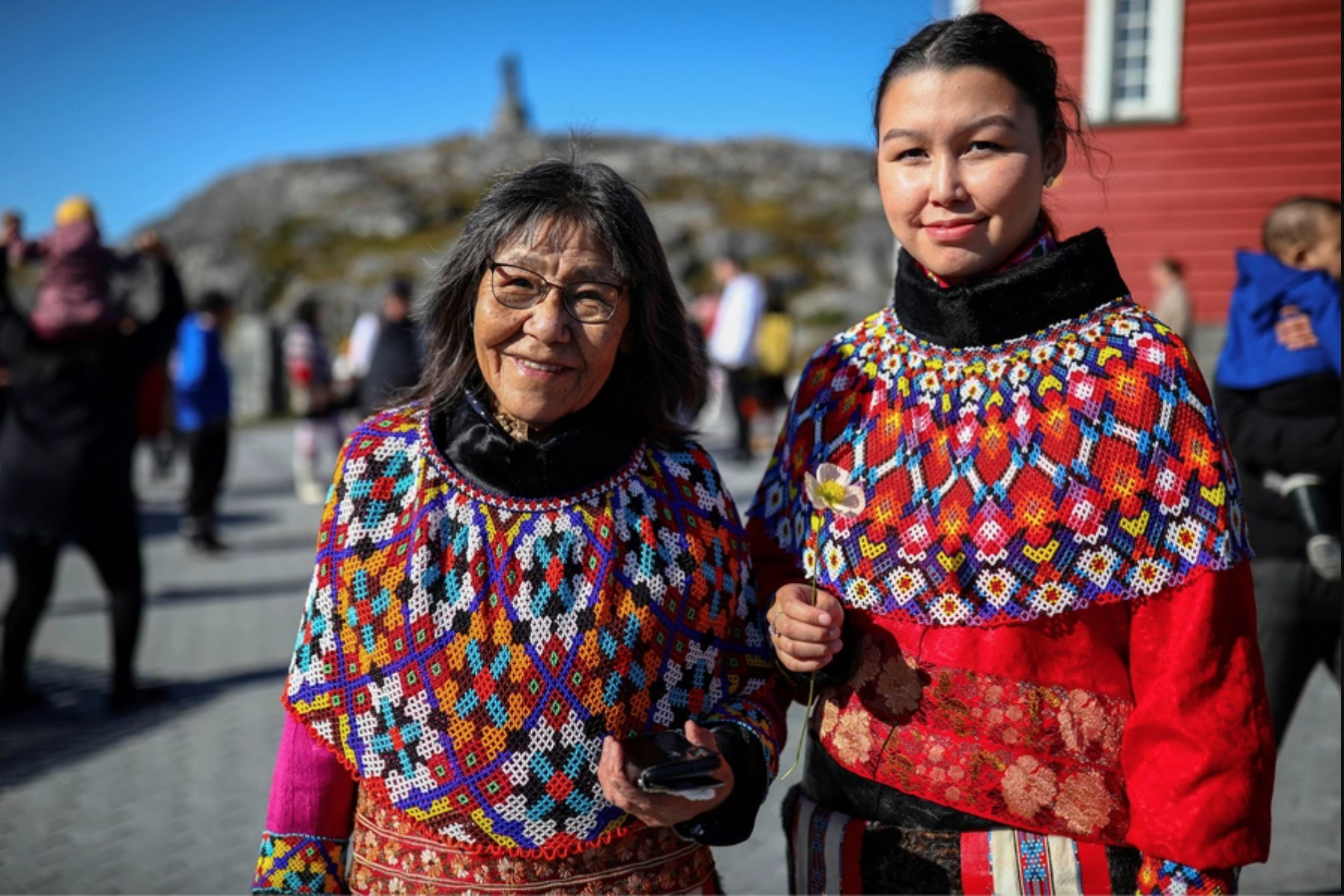
Denmark announced Wednesday that it will compensate thousands of Indigenous women and girls from Greenland who were subjected to coercive or non-consensual contraception by Danish health authorities for decades, calling the practice a “dark chapter” in the two nations’ shared history.
Beginning in April 2025, affected women can apply for individual payments of 300,000 Danish kroner — roughly $46,000. The Danish health ministry estimates that as many as 4,500 women may qualify for the program, which will remain open through June 2028.

The decision comes after an independent investigation revealed that from the 1960s through 1991, medical professionals fitted Greenlandic Inuit girls and women with intrauterine devices or administered hormonal injections without proper consent or, in some cases, without their knowledge at all. Many victims were teenagers. Some were as young as 12.
“This case is a dark chapter in our shared history,” Health Minister Sophie Lohde said in a statement. “It has had major consequences for the Greenlandic women who have experienced both physical and psychological harm.”
Though no financial sum can undo the damage, Lohde said the compensation represents an acknowledgment, a formal apology, and a step toward accountability.
The September investigation documented more than 350 women who directly reported being subjected to forced contraception by Danish health authorities — but researchers believe the true number exceeds 4,000, reflecting decades of systemic reproductive violations. Many victims described years of pain, shame, infertility, or confusion over medical procedures never explained to them.

Greenland, a semiautonomous territory of Denmark, has long pushed for recognition of the abuses. Advocates say the compensation program is overdue but meaningful, offering public validation to women who were silenced for generations.
The announcement marks one of Denmark’s most significant attempts in recent years to reckon with its colonial legacy in the Arctic. For the women who lived through the trauma, it represents something else as well: a long-awaited acknowledgment that what happened to them was real, unjust, and finally—after decades—being addressed.



