
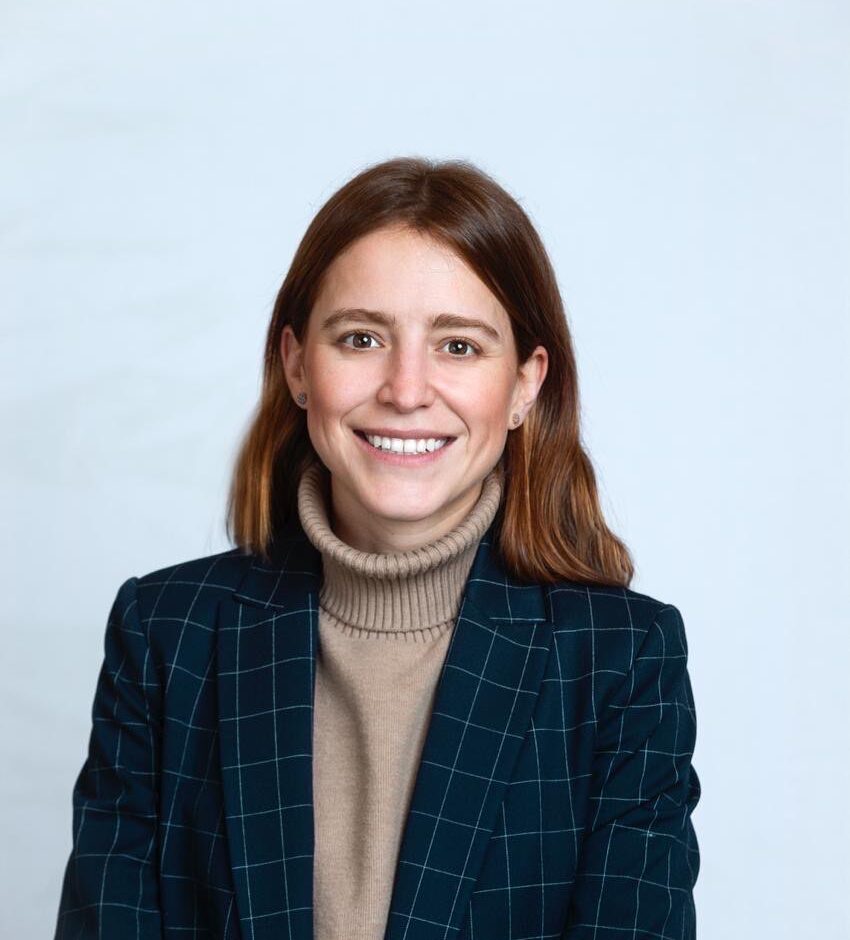
María Corina Machado — the Venezuelan opposition leader branded a “demonic witch” by Nicolás Maduro and crowned a Nobel Peace Prize laureate by the international community — resurfaced in downtown Oslo in the blue-black hours of Thursday morning after a perilous escape from Venezuela that unfolded like a Cold War thriller.
According to an explosive account in The Wall Street Journal, the 58-year-old dissident slipped out of a safe house on the outskirts of Caracas on Monday afternoon, wearing a wig and flanked by two operatives. For nearly ten hours, she rode through military checkpoints and surveillance dragnets, somehow passing all ten of them without being stopped. By dusk, she had reached a remote fishing village on the Caribbean coast — the final patch of Venezuelan soil between her and freedom.
At 5 a.m., under high winds and rough seas, Machado boarded a small wooden skiff for the treacherous crossing to Curaçao. The escape network warned the U.S. military in advance, fearful the boat might be mistaken for a target amid American airstrikes on suspected drug-trafficking vessels. Not long after, U.S. Navy F-18s were spotted circling above the route, according to flight-tracking data.

Machado reached Curaçao around 3 p.m. Tuesday, exhausted and shaken, where a private extraction specialist — reportedly “supplied by the Trump administration” — ushered her to safety. After a night in a hotel, she boarded a private jet sent by an associate in Miami. The plane refueled in Bangor, Maine, before cutting across the Arctic darkness toward Oslo.
Her arrival was so clandestine that even the Nobel Institute had no idea where she was when the ceremony began on Wednesday. Machado’s daughter accepted the prize in her place, telling the audience her mother would “be back in Venezuela very soon.” The Nobel Committee chair later described the escape as unfolding “in a situation of extreme danger.”
By 2:30 a.m. Thursday, hours after the formal program concluded, Machado stepped onto the balcony of Oslo’s Grand Hotel to greet a crowd that had waited through the night. Supporters chanted “¡Valiente!” and sang the Venezuelan national anthem. At one point, she climbed over a metal barrier to embrace people in the street — a triumphant moment after a year spent in hiding.

Machado’s Nobel Peace Prize citation highlighted her “tireless work promoting democratic rights” against Maduro’s authoritarian regime. Her party won Venezuela’s disputed 2024 presidential election with 67 percent of the vote, according to international observers, but Maduro claimed victory and unleashed a sweeping crackdown. Arrests, raids, and threats drove Machado underground while the country slid deeper into isolation.
The escape and her sudden reappearance in Norway now sharpen a dangerous standoff between Caracas and Washington. The Trump administration has deployed a massive naval presence in the Caribbean and accuses Maduro of presiding over powerful drug cartels. Machado, for her part, has openly praised Trump’s support, dedicating her Nobel prize “to the suffering people of Venezuela and to President Trump for his decisive support of our cause.”
Opposition allies celebrated her daring flight. Former lawmaker Julio Borges wrote that the award was “a recognition of her moral leadership,” adding that history proves “it is the strength of moral leadership that ultimately defeats a totalitarian dictatorship.”
From a wig and a fishing boat to a balcony in Oslo, Machado has transformed a clandestine escape into a global spectacle — and intensified the political stakes for everyone watching.



