
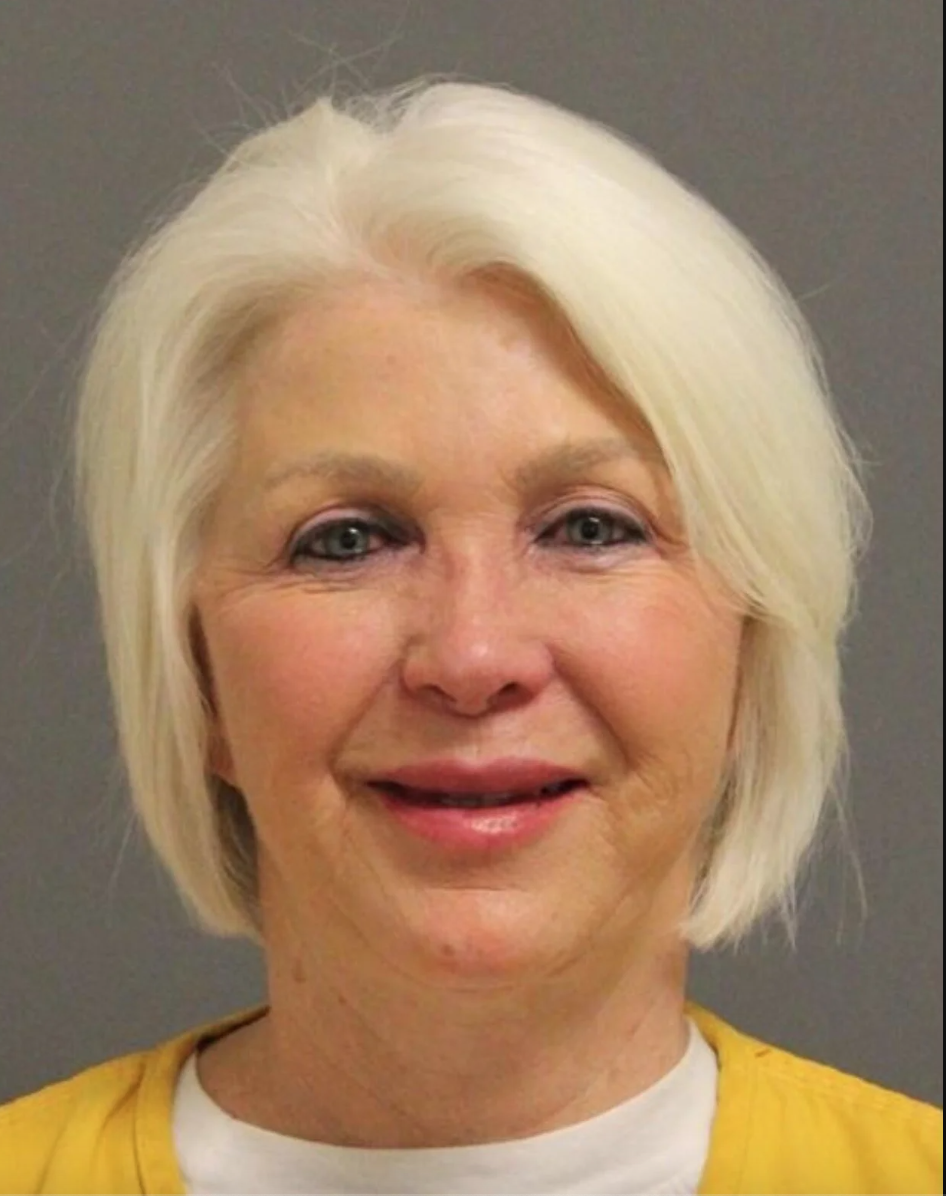
Tina Peters, once a rising figure in election-fraud conspiracy circles and now the first election official convicted of a felony tied to 2020 misinformation, believes she is being left to die in solitary confinement. Her attorney, Peter Ticktin, says the former Mesa County clerk is emotionally deteriorating after a federal magistrate judge rejected her request for release while she appeals her conviction.
“I think I’m going to die here,” Peters told her lawyer during a call Tuesday morning, a day after Chief U.S. Magistrate Judge Scott Varholak ruled that he could not intervene in her state-level sentence. According to Ticktin, she spends 23 hours a day alone, her only “human contact” coming from brief phone calls between 9 and 11 a.m.
“This is a terrible decision,” Ticktin said. “She’s depressed and upset. They want her to waste away in the hole.”
Peters was convicted in Colorado for allowing an unauthorized third party to copy voting machine hard drives in 2021 — an incident that fueled countless election-fraud conspiracy theories. She was found guilty of equipment tampering and official misconduct and sentenced to nine years in prison.

A ballot processing machine at the polling place inside the Dr. Eva Evans Welcome Center on Tuesday, Nov. 4, 2025, in Lansing.
Ticktin, a longtime Trump ally who once represented the former president in a lawsuit against Hillary Clinton, has taken the extraordinary step of urging Trump to consider whether a president can pardon someone for state crimes. In a letter sent Sunday, he argued that the Constitution’s pardon clause might allow such a move — a so-far untested legal theory. The Trump administration has said it is “probing ways” to get involved.
Judge Varholak acknowledged that Peters raised “important constitutional questions,” including whether her sentence was improperly influenced by her political speech. But he stressed that federal courts cannot interfere with ongoing state proceedings except under exceptional circumstances.

“Her direct appeal is pending,” he wrote. “Federal courts are prohibited from interfering with ongoing state criminal proceedings absent extraordinary or special circumstances.”
Ticktin blasted the ruling as “willful blindness,” saying the judge was too focused on Peters’ speech claims and not the “irreparable harm” of continued incarceration. According to him, Peters is in solitary confinement because she complained about her safety and treatment by guards. The lawyer wrote in his letter that Peters fears she will die in custody, citing three incidents in which inmates allegedly attacked her before officers intervened.
He also directed criticism at Colorado Judge Matthew Barrett, who called Peters a “charlatan” during sentencing. Ticktin argued the court is punishing Peters not for any physical danger but because she is “dangerous for what she may say.”
“In other words, there is no freedom of speech in America as long as judges take this kind of attitude,” he claimed.
As Peters awaits the outcome of her appeal from inside a solitary confinement cell, her case has become a flashpoint — one that mixes election conspiracy culture, legal brinkmanship, and claims of political martyrdom. Whether courts, or Trump himself, intervene remains uncertain. But for now, Peters maintains a dire belief: “They want me to die here.”



