
The owner of a Massachusetts oddities shop infamous for using human remains in its creations has pleaded guilty to trafficking stolen body parts taken from Harvard Medical School. Federal prosecutors announced Monday that 46-year-old Katrina Maclean of Bradford, Mass., admitted to transporting stolen human remains across state lines as part of a sprawling, years-long scheme involving morgue employees, collectors, and online buyers.

According to the U.S. Attorney’s Office for the Middle District of Pennsylvania, Maclean purchased human remains between 2018 and 2022, fully aware that they had been stolen from Harvard’s Anatomical Gifts Program. Prosecutors say she moved those remains from Massachusetts to Pennsylvania — and sold them to others, including Jeremy Pauley, who has also pleaded guilty.
Investigators traced the origin of the stolen remains to Cedric Lodge, the longtime morgue manager at Harvard Medical School. Lodge allegedly stole organs and dissected body parts that had been donated for research, transporting them from Boston to his home in Goffstown, N.H. There, prosecutors say, he and his wife, Denise, sold the stolen remains to Maclean and others, arranging deals through phone calls and social media.
The thefts continued for years, even as the deceased donors’ families believed their loved ones’ bodies were being handled with dignity and ultimately cremated. Instead, prosecutors say, body parts ended up in private homes, bizarre art projects, and online markets.
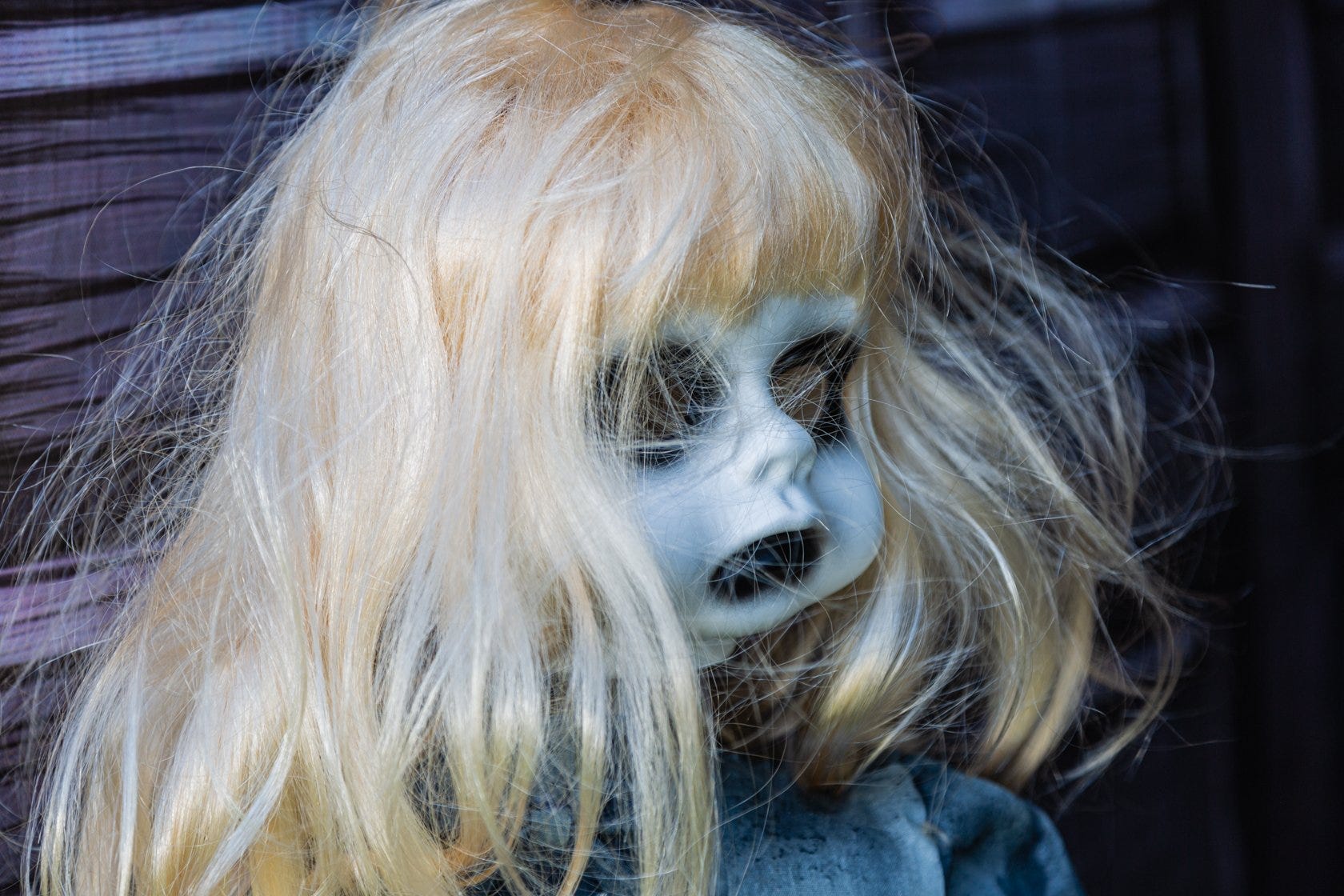
Maclean’s own shop, Kat’s Creepy Creations, became infamous in 2023 when the FBI raided the Salem storefront and her home. Agents seized eerie dolls and figures — some incorporating actual human remains. Prosecutors alleged she had purchased two partially dissected heads for $600 from Lodge. She was previously charged with transporting stolen goods.
The case has led to multiple convictions. Defendants including Pauley, Joshua Taylor, Andrew Ensanian, Matthew Lampi, and Angelo Pereyra have already pleaded guilty. Lampi was sentenced to 15 months in federal prison, while Pereyra received 18 months. Cedric and Denise Lodge, along with Taylor and Ensanian, are still awaiting sentencing. In a related Arkansas case, crematorium worker Candace Chapman-Scott received a 15-year sentence for selling remains to Pauley.
The sprawling investigation continues, led by the FBI, the U.S. Postal Inspection Service, and the East Pennsboro Township Police Department. Assistant U.S. Attorney Alisan V. Martin is prosecuting.
Maclean now faces a maximum federal penalty of 10 years in prison, supervised release, and fines — though her final sentence will be shaped by Federal Sentencing Guidelines. For the families of donors and for Harvard’s anatomical program, the fallout is both legal and deeply personal: a violation of trust that turned grief into grotesque exploitation.



