
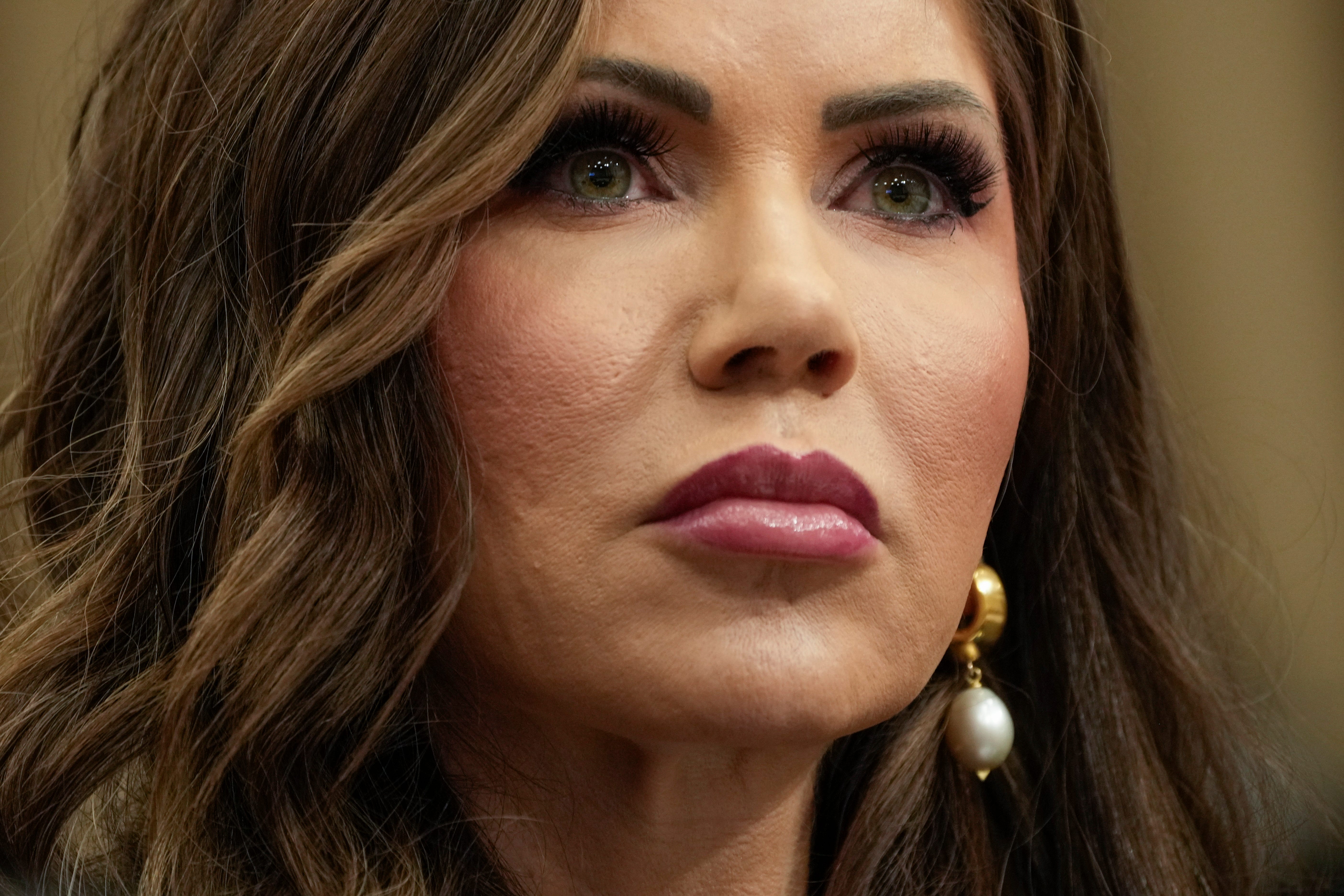
Drama erupted in D.C. this week after a federal judge threw down the gauntlet, demanding Justice Department power players take the stand over bombshell allegations against Homeland Security Secretary Kristi Noem. The feds are investigating whether Noem broke the law by flouting a March 2025 judicial edict that blocked the expulsion of Venezuelan migrants from the United States.
Key figures now embroiled in the controversy include Erez Reuveni, a prominent former DOJ attorney accused of participating in talks to skirt court commands, and Drew Ensign, a senior Deputy Assistant AG allegedly responsible for relaying the critical court orders. Both have been officially subpoenaed for grilling as questions swirl about the Trump administration’s high-stakes tactics to sidestep legal roadblocks.

The high-octane legal battle centers on the White House’s use of the obscure Alien Enemies Act—an antiquated wartime provision rarely dusted off—to justify emergency deportations despite federal opposition. Massive uproar erupted when reports surfaced that, just hours after Judge James E. Boasberg slapped a no-fly order on removals in mid-March 2025, two aircraft loaded with Venezuelan detainees chartered straight for El Salvador, apparently in defiance of the judicial freeze.
The confrontation is more than a mere policy dispute—it’s transformed into a dramatic struggle over how far presidential powers can stretch. At stake: Can the administration wield an old-school wartime law to rapidly exile migrants without due process, and could Secretary Noem face criminal repercussions for allegedly going rogue against the federal bench?
The origins of this legal brawl date back to March 2025, when furious advocates for detained Venezuelans filed a sweeping class-action suit. Their complaint claimed the expulsions violated not just the Alien Enemies Act, but also longstanding immigration statutes and the basic constitutional rights owed to migrants on U.S. soil. Instead of standard hearings, officials allegedly plotted to fast-track removals under a pending presidential order—citing supposed criminal activity from the Venezuelan group “Tren de Aragua” as the trigger for ‘invasion’ status.
The court acted swiftly. On March 15, 2025, as tensions peaked, Chief Judge Boasberg issued an emergency halt—freezing the expulsion of the named plaintiffs for two weeks. Nevertheless, court dockets soon revealed the government managed to send two flights to El Salvador despite the stop order, setting off sirens among the judiciary.

As the probe deepened, Secretary Noem admitted in a sworn statement that she greenlit the transfer of Venezuelan detainees who had already exited the U.S. prior to the court’s late-evening ruling that day. Still, with a torrent of skepticism and growing outrage, Judge Boasberg has now escalated the inquiry: He directed attorneys for the migrants to ensure Erez Reuveni’s testimony on December 15, 2025, with the government compelled to produce Drew Ensign for testimony just one day later.
The fireworks in this case could shape the future of presidential powers, judicial independence, and the legal destiny of thousands facing deportation—and Noem’s own future hangs in the balance.



