
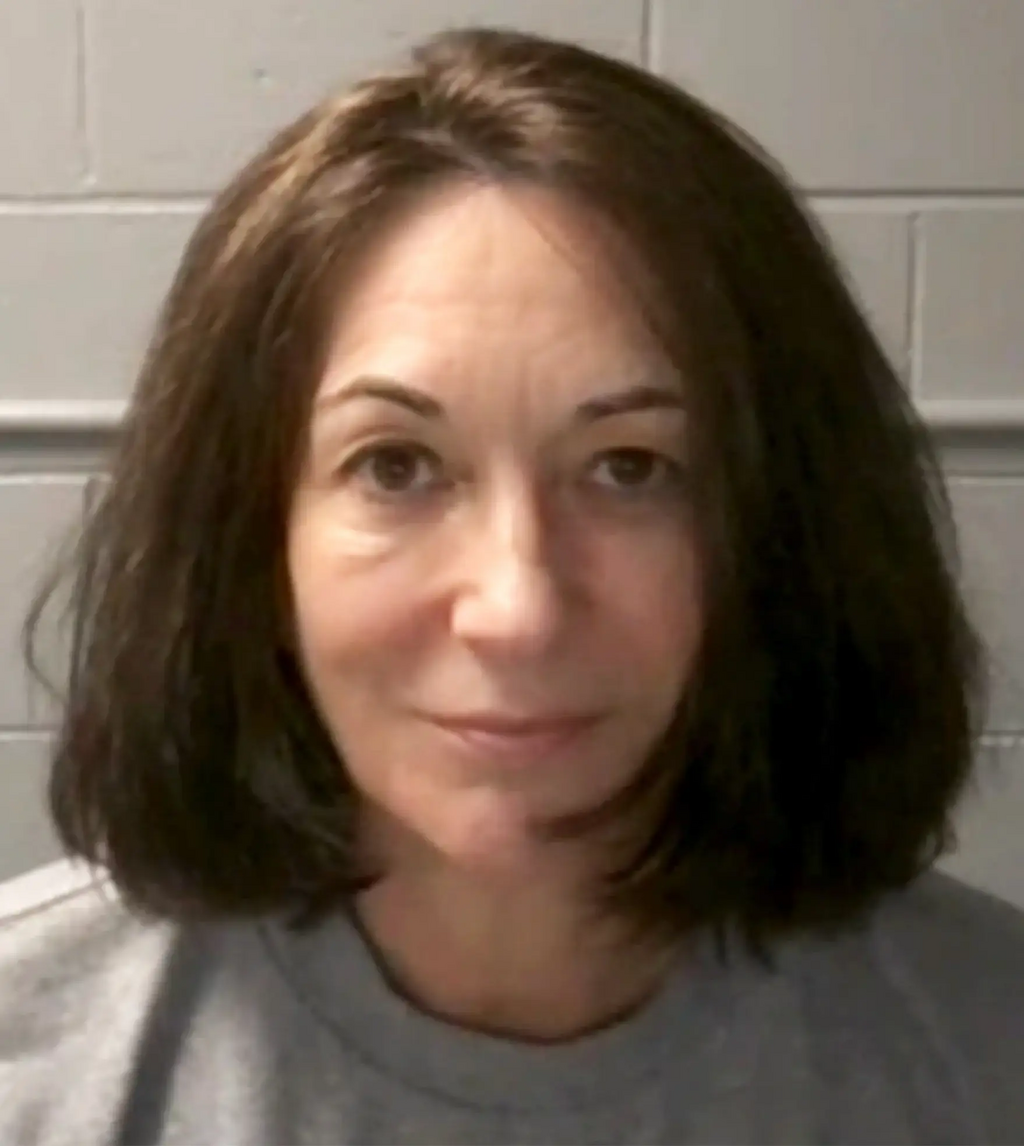
A federal judge has ordered the release of grand jury documents tied to Ghislaine Maxwell, the convicted sex trafficker who served for years as Jeffrey Epstein’s closest associate, after President Donald Trump signed a measure requiring the Justice Department to unseal all Epstein-related investigative materials.
Maxwell, now serving a 20-year sentence for recruiting and grooming young women and girls for Epstein’s abuse, did not oppose the latest effort to unseal the files. But she warned the court that releasing grand jury records could jeopardize her already unlikely bid for a new trial. Those concerns took a back seat to a wider issue: the rights and privacy of the survivors.

Victims urged the court to unseal the materials but begged for protections ensuring their identities would not be exposed. In his bluntly worded order, Judge Paul Engelmayer agreed that the survivors’ fears were justified, noting that the Department of Justice had failed in its duty to notify them of the government’s unsealing motions.
“DOJ, although paying lip service to Maxwell’s and Epstein’s victims, has not treated them with the solicitude they deserve,” he wrote. Victims’ letters to the court described their “distress” at the lack of notice and their “alarm” that grand jury files could reveal deeply private information. Engelmayer further criticized the DOJ for misleading the public about the value of the documents, saying the motion “held out the Maxwell grand jury materials as essential to the goal of ‘transparency,’ when in fact the grand jury materials would not add to public knowledge.”
The ruling comes on the heels of Trump’s reluctant signing of a congressional measure mandating the release of all investigative materials in the government’s possession related to Epstein. Those documents must be made public by December 19. However, that mandate does not automatically cover grand jury materials, requiring separate judicial authorization like Engelmayer’s ruling.

Momentum toward broader disclosure has been growing. Just last week, a federal judge in Florida ordered the release of grand jury documents from an abandoned 2005–2007 Epstein case. Another judge is reviewing a request to unseal grand jury materials in the New York case Epstein faced when he died in custody in 2019.
Maxwell was indicted in 2020 for her role in Epstein’s decades-long operation luring girls—some as young as 14—to his homes across the country. During her 2021 trial, survivors testified that Maxwell groomed them, confiscated passports, and sexually abused them alongside Epstein. The Supreme Court denied Maxwell’s appeal in October.
Her legal team has argued that Epstein’s 2007 non-prosecution agreement in Florida should have insulated her from at least one of the federal charges—an argument courts have repeatedly rejected.
Meanwhile, the DOJ has struggled with public criticism over its handling of Epstein-related information. In July, officials asserted that “no further disclosure” was necessary. Yet weeks later, in what many saw as an attempt to tamp down public scrutiny, Deputy Attorney General Todd Blanche personally interviewed Maxwell for two days near the Florida prison where she was held. Shortly afterward, Maxwell was inexplicably transferred to a minimum-security facility in Texas.
During the interview, Maxwell defended Trump, insisting she “absolutely never” witnessed inappropriate behavior from him toward anyone in Epstein’s orbit. She praised his rise to the presidency and told prosecutors she “liked him.”
Victims have continued pushing the courts to ensure nothing is hidden.
Attorneys for survivor Annie Farmer warned last week that any denial of unsealing motions “may be used by others as a pretext or excuse for continuing to withhold crucial information concerning Epstein’s crimes.”
“Epstein’s victims have been denied justice for far too long by multiple government administrations of both parties,” they wrote.
With multiple federal judges moving simultaneously to open long-sealed chapters of the Epstein saga, the next weeks may bring the most sweeping public release of documents yet—and, survivors hope, long-overdue accountability.



