
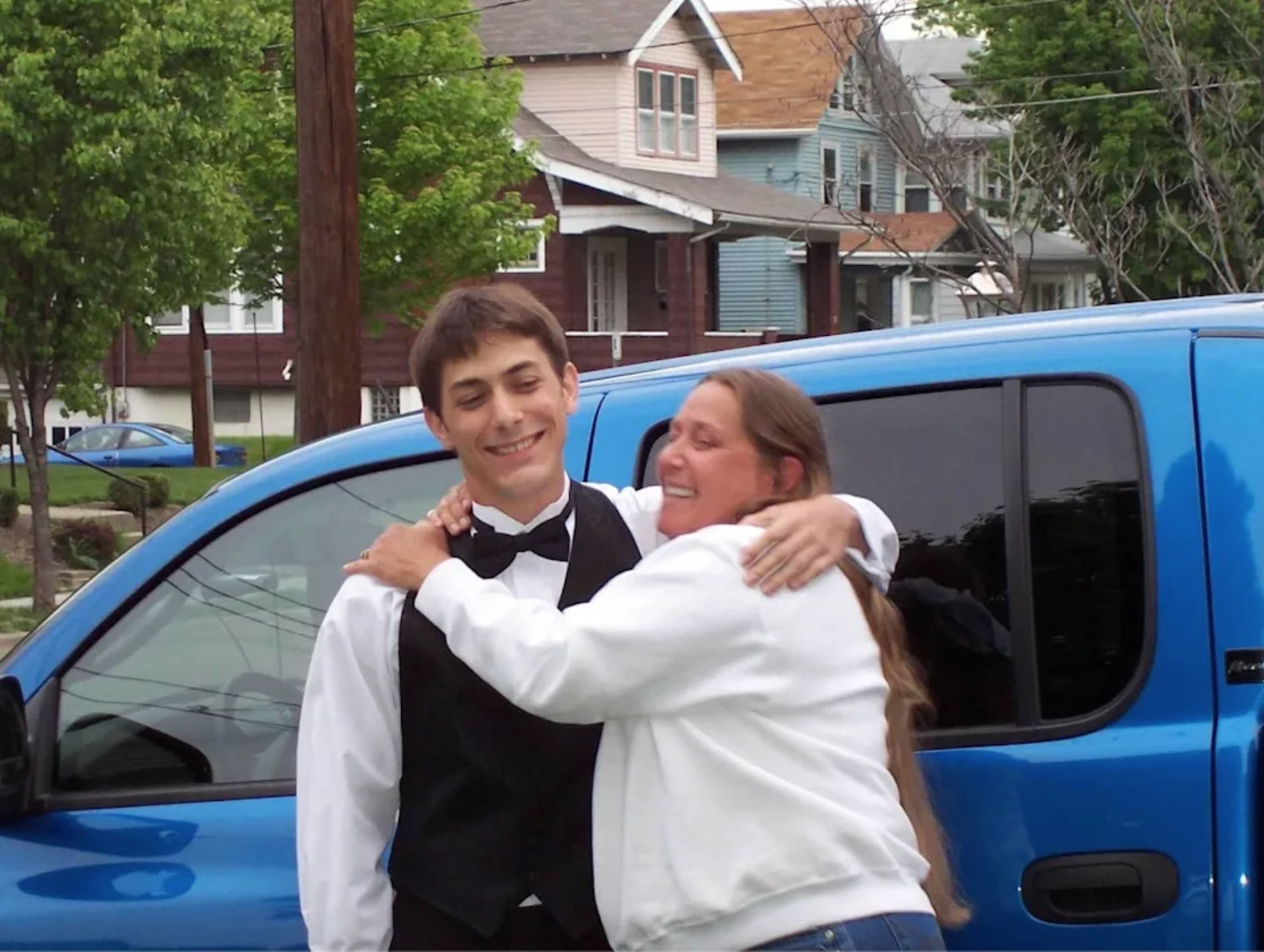
When Mary Cutter lost her only child, 24-year-old Christian, in 2012, she made a decision that shattered her and saved someone else. She donated his organs, and his heart went to an 11-year-old girl in Ohio named Payton Herres, who doctors feared wouldn’t reach her 12th birthday. Today, at 25, Herres is alive because of Christian’s heart. But the gift that sustained her for 13 years is now threatened—not by illness, but by a shift in health insurance coverage that has made her lifesaving medication suddenly unaffordable.
Herres, who earns $35,000 a year working payroll at a faith-based nonprofit, has taken the immunosuppressant everolimus since 2013. Paired with cyclosporine, the drug prevents organ rejection and slows the progression of cardiac diseases unique to transplant patients. But this year, Herres’ lifelong insurer, Anthem Blue Cross Blue Shield, abruptly ruled the medication “no longer medically necessary.” After public pressure, Anthem reversed that decision—but not the price. Herres’ copay jumped from $180 to as much as $1,000 for a 90-day supply.

Mandatory Credit: Carrie Cochran/Cincinnati Enquirer via USA TODAY NETWORK
“I can’t afford that,” she said. “This drug is the difference between life and death.”
When Cutter learned of the coverage loss, she broke down. “I’ll do whatever I can to keep hers and my son’s heart going,” she told The Independent during the pair’s first-ever phone conversation. Cutter even offered to pay for the medication herself—an offer Herres called “one of the most beautiful and most wrong things I’ve ever experienced.”
“It’s beautiful because she still loves her son through me,” Herres said. “But she’s already given the ultimate gift.”
Christian died suddenly on March 17, 2012. Cutter—who has since also lost her husband and brother—described him as funny, brilliant, and devoted. In her darkest hours at the hospital, she chose donation so another family wouldn’t face the same loss. That decision saved Herres, whose congenital heart disease, Ebstein’s anomaly, had placed her in immediate danger.
“If anything happened to her heart,” Cutter said, “it would be like living the whole thing over again.”
Meanwhile, Herres’ battle with Anthem goes on. The insurer claimed she could lower costs by using its mail-order pharmacy, but Herres says mail delays could interrupt a medication she cannot miss. She now relies on GoodRx coupons that reduce the cost to $234 for 90 days—still a burden, and a temporary one.
“The scary part is that these coupons aren’t guaranteed,” she said. “If they disappear, I could never afford the drug. That terrifies me.”
Advocates say Herres’ case highlights a dangerous gap in U.S. transplant policy. Everolimus is FDA-approved for kidney and liver recipients, but not heart patients—even though studies show it reduces rejection risk. Herres has launched a petition urging regulators and Novartis, the manufacturer, to evaluate the evidence and extend approval.
For Cutter and Herres, the fight is deeply personal. Though they’ve never met in person, they now share a bond anchored in grief, survival, and a heart that beats for both families. To thank Cutter, Herres sent her a blue teddy bear stitched with stars; when you squeeze its paw, it plays a recording of Christian’s heartbeat.
“I let everyone listen,” Cutter said. “It brings tears to our eyes every time.”
During their first call, Herres thanked Cutter over and over for saving her life. Cutter stopped her gently.
“You don’t need to thank me,” she said. “I’m thankful that Christian’s heart is beating in your chest.”



