
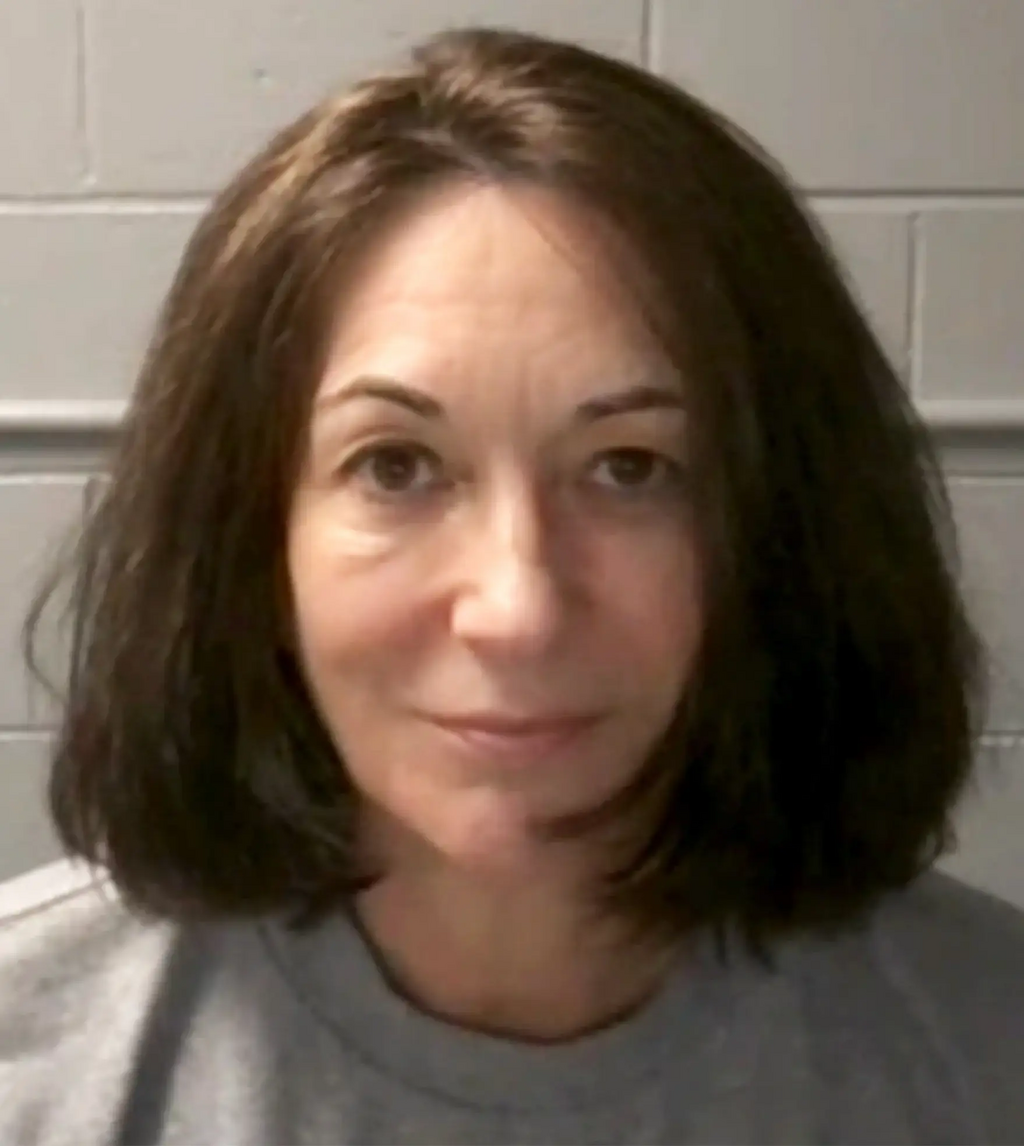
Convicted sex trafficker Ghislaine Maxwell will not challenge the upcoming release of grand jury materials tied to her case, even as her legal team warns that the move could severely damage her already slim chances of securing a new trial. The decision comes in the wake of President Donald Trump’s signature on a congressional measure requiring the Department of Justice to release all investigative files related to Jeffrey Epstein, Maxwell’s longtime associate and co-conspirator, by December 19.

In a federal court filing Wednesday, Maxwell’s attorneys said they do not oppose the release but cautioned that doing so could “foreclose the possibility of a fair retrial” if she ever prevails in her ongoing appeals. The grand jury records, they argue, contain “untested and unproven allegations” that could permanently taint any future jury pool.
Maxwell, now 63, is serving a 20-year sentence after a 2021 trial in which survivors described how she groomed, recruited, and facilitated Epstein’s sexual abuse of girls as young as 14 between 1994 and 2004. Prosecutors detailed a decade-long partnership in which Maxwell helped lure young women to Epstein’s properties before he and others abused them. Epstein died in federal custody in 2019, leaving Maxwell as the highest-profile figure left to face trial.
Her attorneys have fought to keep grand jury proceedings sealed, previously arguing that public fascination with Epstein cannot justify “a broad intrusion into grand jury secrecy” while Maxwell remains alive with active legal options. The Supreme Court rejected her latest appeal in October. “This fight isn’t over,” attorney David Oscar Markus said then, insisting that “serious legal and factual issues remain.”

Among those arguments: Maxwell’s lawyers contend that Epstein’s controversial 2007 non-prosecution agreement with federal prosecutors in Florida—which shielded him and any “potential co-conspirators”—should have applied to at least one of the counts she faced in New York. Courts have repeatedly disagreed.
Maxwell is not scheduled for release until 2040. Her best hope for early freedom would be a presidential pardon, something Markus has said she would “welcome.” Trump has been noncommittal, though Maxwell has publicly praised him. In a Justice Department interview earlier this year—conducted by Deputy Attorney General Todd Blanche after critics demanded more transparency—Maxwell said she “absolutely never” saw Trump behave inappropriately and lauded his rise to the presidency.
Shortly after that interview, she was transferred from a high-security facility in Florida to a minimum-security prison in Texas.

The Justice Department announced in July that “no further disclosure” of Epstein-related materials was warranted at the time. But Congress, frustrated by years of secrecy, passed legislation compelling the release. Trump has now signed it, setting a hard deadline of December 19 for public disclosure.
For survivors, advocates, and lawmakers, the release is long overdue. For Maxwell, it threatens to close what little legal runway she has left. Her team insists the coming document dump could irreparably prejudice any future jurors, but for now, they are standing down—unable to stop the wave of public transparency set in motion.
The full scope of what the Epstein archive contains, and what it means for Maxwell’s future, will soon be known.



