
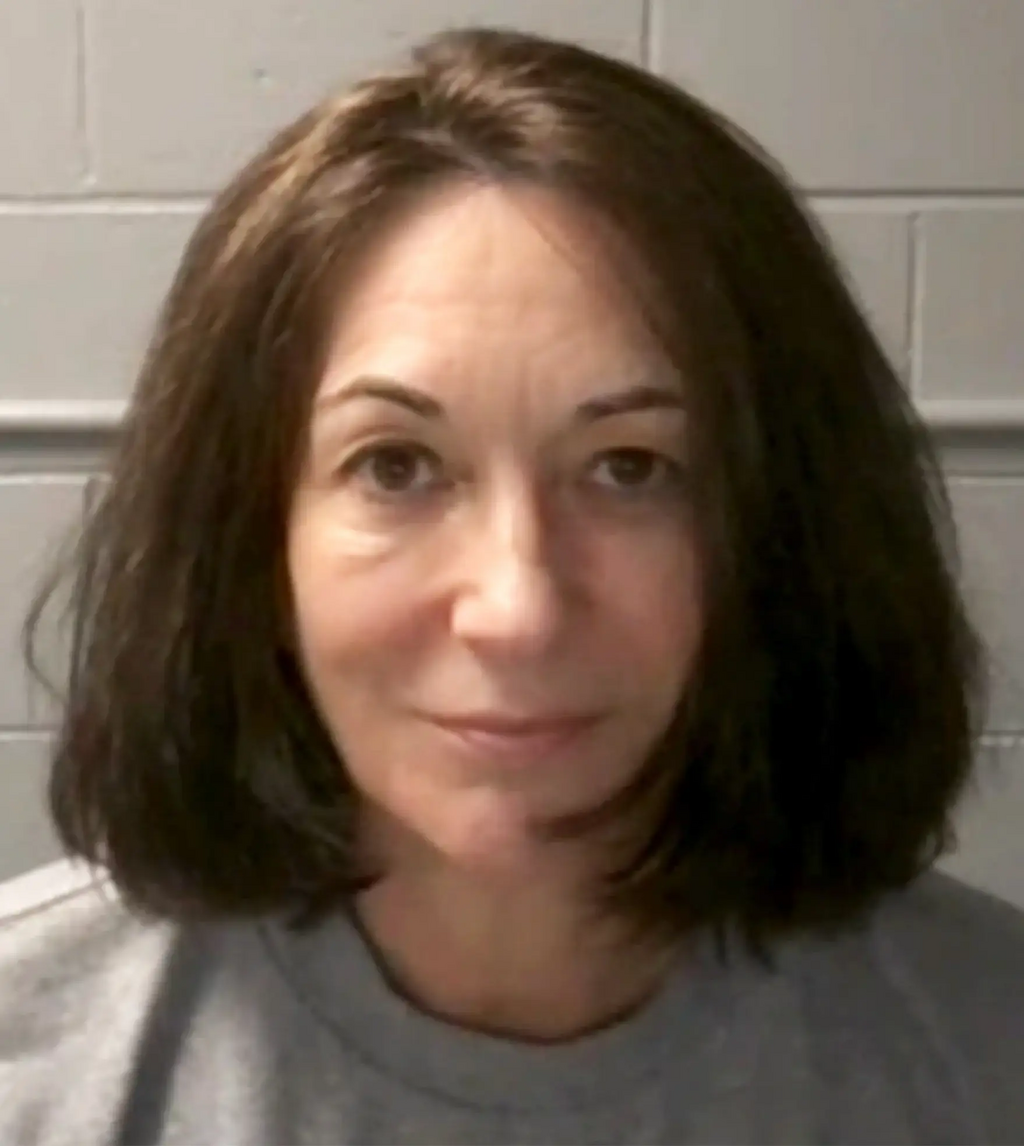
Ghislaine Maxwell, the disgraced socialite serving a 20-year sentence for sex trafficking, is preparing a long-shot bid for freedom that is already rattling Washington. In a terse letter filed Wednesday in Manhattan federal court, her attorney signaled that Maxwell intends to submit a habeas petition challenging her conviction. And she plans to do it without legal representation.
The filing offered few clues about her strategy. David Oscar Markus, her lawyer of record, refused to elaborate, declining to comment when asked about the sudden move. But the timing alone has stirred another round of speculation, arriving just weeks after the Justice Department’s second-in-command, Todd Blanche, interviewed Maxwell twice in Texas, where she was recently transferred to a minimum-security camp.

That interview created its own earthquake. Blanche, a former Trump attorney, met with Maxwell as the president’s supporters pushed the administration to release every remaining file tied to Jeffrey Epstein. Many of those same supporters had believed Trump would expose what they saw as a web of powerful men protected for years. Instead, the Justice Department announced in July that no further disclosures were coming. Outrage followed instantly.
The chaos only intensified when top DOJ officials quietly informed Trump that his own name appears in the sealed Epstein documents. A mention in the files does not imply wrongdoing, but the revelation added fuel to a conspiracy-hungry political environment. Now Maxwell’s bid to overturn her conviction threatens to drag those tensions back into the open.
Her December 2021 conviction—on counts including sex trafficking conspiracy and sex trafficking of a minor—came after a monthlong trial and years of public scrutiny. A successful habeas petition is rare, but Markus’s letter hints she may try to unravel aspects of the case that have remained hidden behind sealed court materials.

That secrecy is under attack from another direction. Attorney General Pam Bondi has urged the court to release grand jury evidence connected to Maxwell, invoking the newly signed Epstein Files Transparency Act. She has pursued a similar effort in the separate Epstein case overseen by Judge Richard Berman, who presided when Epstein was found hanged in his Manhattan jail cell in 2019.
Judge Paul Engelmayer previously denied an attempt by the Justice Department to unseal Maxwell-related documents, and Maxwell herself now warns that releasing them would taint any retrial should her petition somehow succeed. Markus argued that the sealed material contains untested allegations that could poison a jury before a case even begins.

Lawyers for Epstein’s estate have taken a neutral position, asking only that any released files be scrubbed of victim identities and other sensitive information.
Maxwell’s challenge is not yet filed, but its shadow is already stretching across two administrations, two federal courts, and one of the most radioactive criminal sagas in modern American history. Whether it becomes a legal earthquake or a final grasp at relevance remains to be seen.



