
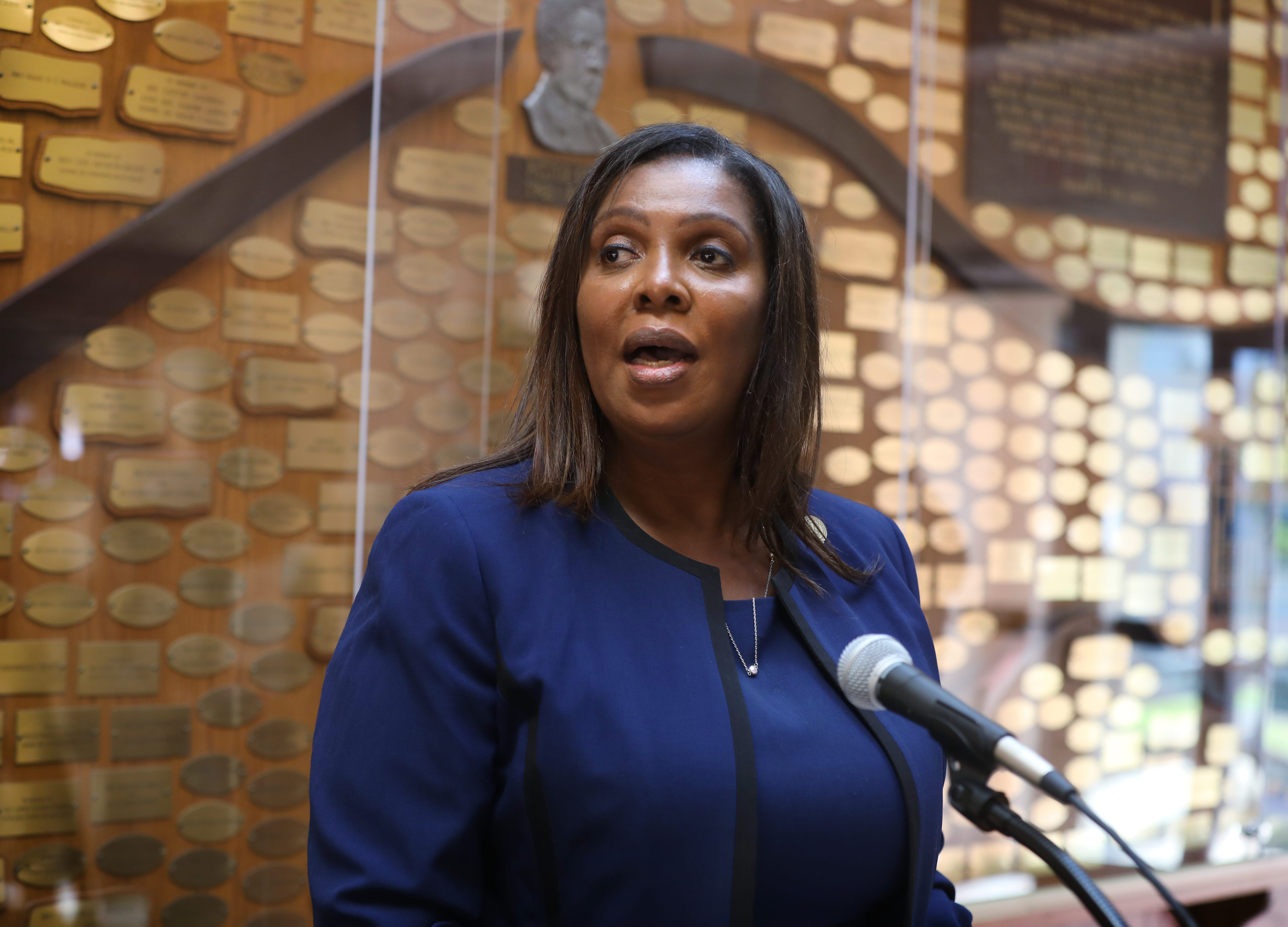
A federal judge in Manhattan is preparing to hear a sharply contested fight over whether the Justice Department’s investigation into New York Attorney General Letitia James rests on an unlawful foundation. At the center of the dispute is Acting U.S. Attorney John Sarcone, a Trump loyalist whose authority to issue grand jury subpoenas is now under scrutiny.
In a filing Tuesday, James’ office urged Senior U.S. District Judge Lorna Schofield to consider a trio of fresh rulings that struck down similar appointments made by Attorney General Pam Bondi. The pattern, they argue, is unmistakable: Bondi installed interim and acting U.S. attorneys using methods repeatedly rejected by federal courts, and Sarcone’s subpoenas should fall for the same reason.
Schofield scheduled oral arguments for Thursday morning, but narrowed the discussion to one high-stakes question: If Sarcone wasn’t legally acting U.S. attorney, are his subpoenas invalid?

James has said yes from the beginning. In an August motion to quash, she framed the subpoenas—seeking documents tied to her civil fraud case against Donald Trump and her separate case against the NRA—as pure retaliation. According to her filing, the subpoenas amounted to the president “lashing out” because her office enforced state law against him and his allies.
Sarcone’s appointment, James argued, was never lawful. Bondi hand-picked him earlier this year despite his lack of prosecutorial experience and a public record that included calling Democrats “evil.” Like other Bondi appointees, Sarcone’s temporary appointment expired—but Bondi kept him in place by simultaneously naming him a “Special Attorney to the Attorney General” and the first assistant U.S. attorney. Courts have repeatedly said that combination can’t serve as a workaround to federal law.
James’ supplemental filing pointed to a bombshell Third Circuit ruling this week, which upheld the removal of Alina Habba from her cases because Bondi lacked authority to install her as acting U.S. attorney. The appeals court said the Federal Vacancies Reform Act allows only the sitting first assistant at the time of a vacancy to step in—not someone elevated later. Nor, the court said, may DOJ sidestep the appointment process by delegating sweeping power indefinitely.

James also highlighted another ruling last week that invalidated Bondi’s appointment of Lindsey Halligan as interim U.S. attorney in Virginia, leading to the dismissal of bank fraud charges against her and obstruction counts against former FBI Director James Comey. In that case, the court ruled that because Halligan was the only prosecutor to present evidence to the grand jury and signed the indictments with a title she did not lawfully hold, every action stemming from her appointment had to be thrown out.
Her office argues Sarcone’s situation is the same: he sought, signed, and delivered subpoenas using authority he did not possess, making them void.
The Justice Department disagrees. In a recent filing, DOJ lawyers insisted Sarcone “properly” holds his position and that the relief James seeks is “not available,” arguing that even if Sarcone wasn’t validly acting U.S. attorney, he still had authority as a special attorney to conduct grand jury work.
Schofield will now decide whether that argument stands—or whether the pattern of judicial defeats for Bondi’s appointments will sweep up Sarcone as well. The ruling could determine whether the subpoenas at the heart of DOJ’s probe survive, or collapse under the weight of the department’s own legal missteps.



