
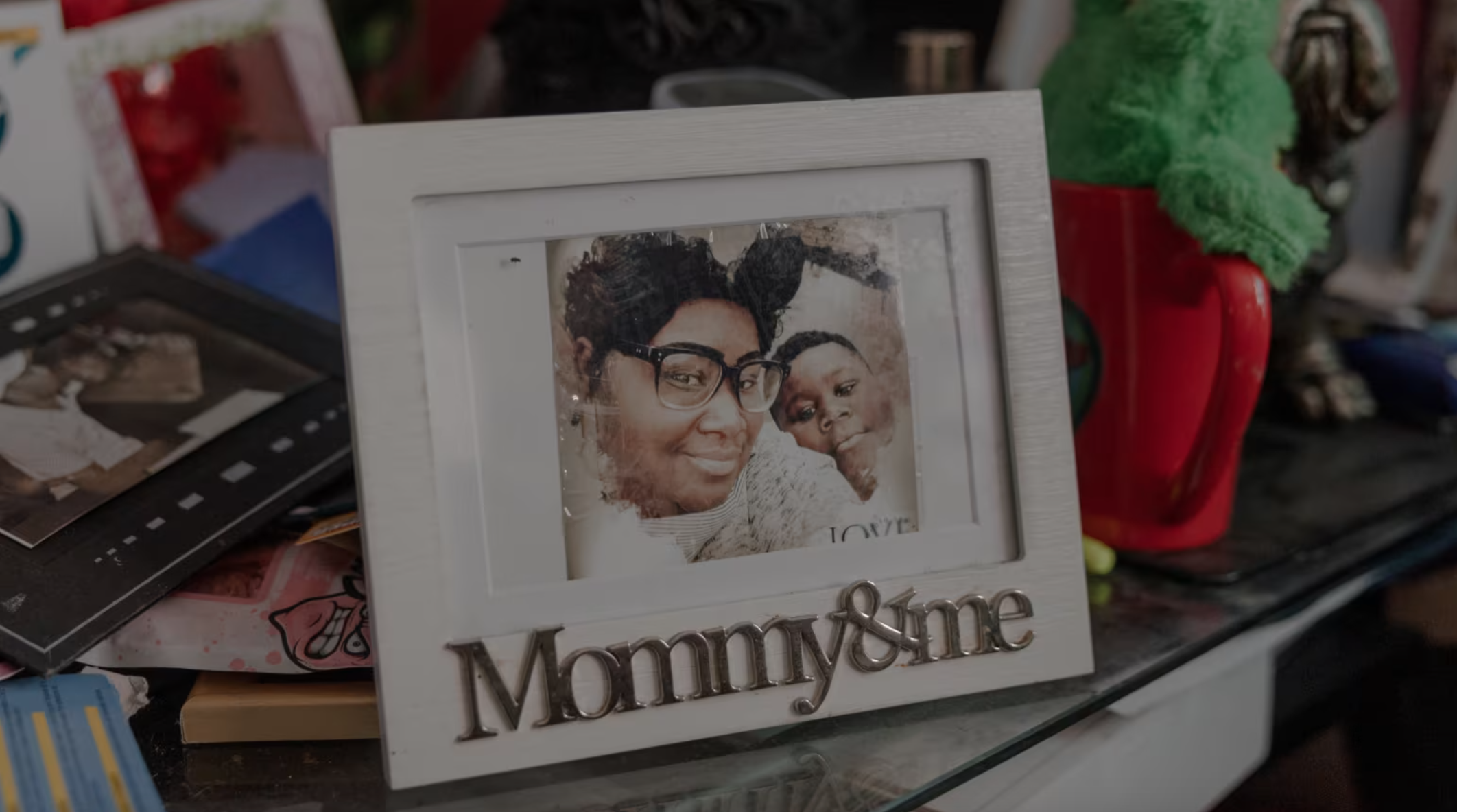
Tierra Walker knew she was running out of time.
In the weeks after learning she was pregnant, the 37-year-old San Antonio dental assistant wasn’t glowing — she was seizing. Violently. Repeatedly. Her blood pressure climbed into the danger zone, her diabetes spiraled, and the ghost of her past trauma — a previous pregnancy ended by catastrophic preeclampsia and the stillbirth of her twins — stalked her every moment.
So on the morning of Oct. 14, 2024, Walker did the thing she believed would keep her alive for the sake of her teenage son, JJ. She looked a physician in the eye and asked the question Texas law had turned into a loaded gun: Could she end her pregnancy before it ended her?
“Wouldn’t you think it would be better for me to not have the baby?” she asked, according to her aunt.
The reply was the same line Walker would hear from doctor after doctor over the next ten weeks: There’s no emergency. Nothing’s wrong with your pregnancy — only your health.
Two months later, JJ walked into his mother’s bedroom on his birthday and found her facedown, unresponsive. Preeclampsia — the same pregnancy complication she feared — had killed her at 20 weeks.
Walker’s death is one of several cases now under investigation, illustrating a stark, deadly consequence of abortion bans sweeping the South: women with serious health conditions are being denied standard medical care, even when every warning light is flashing red.
Walker wasn’t confused about the law. She knew Texas banned abortion. But she believed — like many women do — that hospitals could intervene if her life was at risk.
They didn’t.
As her seizures worsened, as blood clots formed, as doctors logged notes describing her as “high risk of clinical deterioration and/or death,” no one offered her the option every high-risk specialist who reviewed her case agreed would have saved her life: termination.
More than 90 medical professionals cycled through her care. Not one stepped across the legal tripwire. Instead, she was left to ride out a pregnancy that experts later described as a “ticking time bomb.”
Walker begged for answers. She begged for relief. She begged for her life.
But in Texas — where the law allows only “life-threatening emergencies” but leaves doctors facing 99-year prison sentences if they miscalculate — fear has replaced medical judgment.
At 20 weeks, Walker arrived in the ER with blood pressure so high it should have triggered immediate intervention. Instead, she was medicated and sent home.
Three days later, JJ, the son she was trying to stay alive for, performed CPR on his dying mother as a 911 dispatcher coached him through tears.
The autopsy confirmed what Walker had sensed from the start: severe preeclampsia, an enlarged heart drowning in fluid, kidneys failing. A healthy fetus, but a mother’s body pushed beyond its limits.
Her aunt, Latanya, is blunt about the law that boxed every doctor into silence:
“They didn’t want to offer to end the pregnancy, because someone says you can’t? So you’d rather let somebody die?”
JJ now lives with his aunt, scrolling through videos just to hear his mother’s voice.
Walker tried to save her own life. The system wouldn’t let her.
And Texas is full of women just like her.



