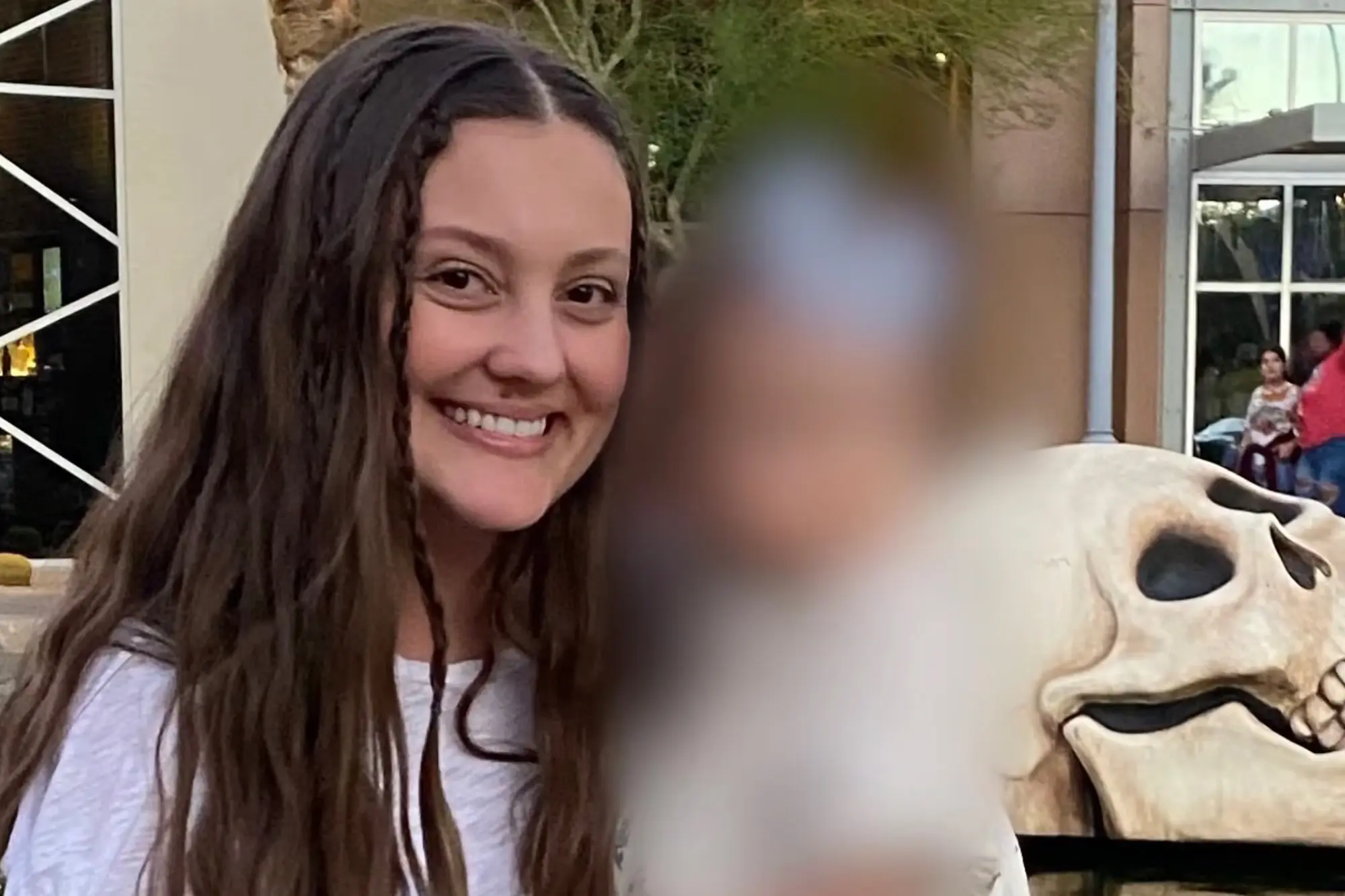
The Trump administration is again facing questions over its handling of immigration enforcement after officials acknowledged they unlawfully deported a transgender woman to Mexico in direct violation of a federal court order — an order specifically meant to protect her from being harmed or killed there.
In a filing last week, government attorneys admitted that Britania Uriostegui Rios, a longtime Nevada resident, had been “inadvertently” removed to Mexico despite a March ruling that barred the administration from sending her there. The immigration judge in her case was explicit: returning Uriostegui Rios, a trans woman, to Mexico would likely expose her to torture.
And yet, in early November, Uriostegui Rios was quietly pulled from a detention facility in Louisiana, transferred through Texas, and put on a bus across the border.
Her lawyers only discovered what happened after she stopped responding to communications. When they pressed for answers, the Justice Department acknowledged what it called a mistake.
“ICE confirmed that your client was removed to Mexico inadvertently,” a department attorney wrote in a Nov. 12 email filed in court. The next day, the attorney said the administration was working to “remedy the inadvertent removal” and would allow Uriostegui Rios to reenter the country voluntarily.
For Uriostegui Rios, that promise hardly resolves the trauma of being sent to a country where she fears for her life — nor does it answer how federal officials deported her to a place they were legally prohibited from sending her.
Uriostegui Rios lost her lawful permanent resident status in 2023 after pleading guilty to felony assault with a deadly weapon. She received a suspended sentence but was immediately placed into deportation proceedings. While an immigration judge ultimately ordered her removal, the judge also barred the government from deporting her to Mexico, citing credible evidence that she would face violence due to her gender identity.
Since March, the administration has reportedly attempted to deport her to several other countries — Costa Rica, Nicaragua, Honduras, and El Salvador — none of which accepted her.
Her attorneys are now asking the court to release her from custody entirely when she is returned to the United States, arguing that federal authorities have repeatedly shown they cannot be trusted to follow court orders in her case.
The episode comes on the heels of another high-profile wrongful removal: the deportation of Kilmar Ábrego García, who was illegally sent to El Salvador earlier this year despite a court order barring it. After national outcry and even scrutiny from the Supreme Court, the administration brought Ábrego back in June — only to immediately indict him on human smuggling charges that a federal judge has suggested may amount to retaliation.
That case is still unfolding. Ábrego has pleaded not guilty and continues to fight deportation.
For immigrants’ rights advocates, Uriostegui Rios’ case fits into a troubling pattern: the repeated failure of federal officials to follow binding court orders, especially in cases involving vulnerable people.
For Uriostegui Rios, the stakes could not be clearer. Her lawyers say she fears returning to a country where violence against transgender women is routine — and where the judge overseeing her case already concluded she faced a likely risk of torture.