
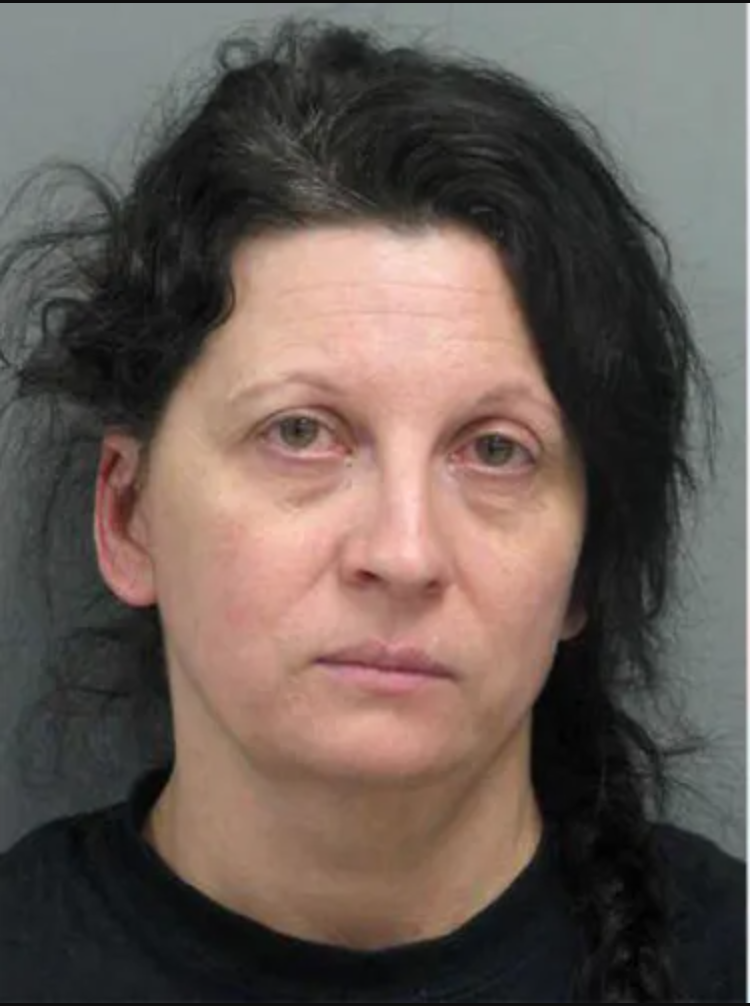

When Cari Farver disappeared from Omaha, Nebraska, in November 2012, police assumed she up and walked away from her life. The 37-year-old mother had been struggling with mental health challenges, and her sudden absence fit an all-too-familiar pattern. But as messages from Farver began flooding inboxes across the city — thousands of them, filled with threats, confessions, and intimate details — it became clear something stranger was happening.
The Threatening Messages Continued For Years

For four years, those messages kept coming. They targeted Farver’s boyfriend, his ex-partner, and even another woman he had dated briefly — a woman named Shanna “Liz” Golyar, who often tearfully told police she was being terrorized by the same mysterious sender. Investigators believed her. For years, Golyar convinced nearly everyone that she was the victim of a relentless stalker named Cari Farver. The truth, when it surfaced, was far darker.
What Happened To The Real Cari Farver?

In 2016, Omaha police uncovered evidence showing that Golyar herself had murdered Farver shortly after they met and then assumed her identity online. The seemingly endless stream of texts, emails, and social media posts — all allegedly sent by Farver — were written by Golyar as part of an elaborate campaign to hide her crime and manipulate everyone around her. “I thought I’d seen it all,” said retired Omaha Police Detective Chris Legrow in the Netflix documentary Lover, Stalker, Killer. “I hadn’t seen anything like this.”
Golyar Spent Years “Harassing” Herself To Throw Off Suspicion

Golyar, a single mother of two, met Farver’s boyfriend through a dating app in 2012. The relationships overlapped briefly — long enough for jealousy to fester. When Farver vanished, Golyar inserted herself into the search, claiming she too was being harassed. She sent herself threatening messages, vandalized her own property, and even set her house on fire, killing her pets, to make it appear that Farver was escalating her attacks.
Golyar Had An Entire Online Life As “Cari”

Meanwhile, Golyar maintained a steady digital presence as “Cari.” Using multiple fake accounts, she kept up the illusion that Farver was alive and obsessed. The manipulation was relentless — Kroupa received tens of thousands of messages over the years, some describing intimate details only someone close to him could know. Her digital campaign almost worked. Police treated Farver’s disappearance as voluntary, and the volume of “correspondence” seemed to confirm that she was still alive.
A Mountain Of Evidence Brought Golyar Down

Investigators eventually noticed cracks. The emails Golyar forwarded as “proof” of Farver’s harassment contained metadata linking back to her own devices. When police searched Farver’s car, they found blood beneath the seat — and when they recovered a micro SD card from one of Golyar’s old tablets, they discovered deleted photos, including one of a human foot with a tattoo that matched Farver’s.
Golyar Was Sentenced To Life In Prison

That was enough for prosecutors. In December 2016, Liz Golyar was arrested and charged with first-degree murder. Even without a body, digital evidence told the story. In 2017, she was convicted and sentenced to life in prison without the possibility of parole. The case — a mix of modern technology, jealousy, and psychological manipulation — remains one of the most confounding in Nebraska history. For Cari Farver’s family, it brought closure but no peace. For investigators, it was a chilling reminder of how easy it has become to weaponize the internet and hide behind its anonymity.



