

A new report released on Wednesday by Human Rights Watch (HRW) and Cristosal alleges that more than 252 Venezuelan nationals deported to El Salvador under the mass-deportation policy implemented by Donald Trump endured systematic and prolonged torture, including sexual violence. The account raises serious questions about U.S. oversight and complicity in the treatment of third-country nationals sent abroad under U.S. government direction.
A Horrible Fate

Migrants from Guatemala are loaded onto a C-17 military plane to be deported back to Guatemala on Jan. 30, 2025 at Fort Bliss in El Paso, Texas. The aircraft is designed to transport 134 passengers but only carried 80 migrants.
According to the 81-page study, those Venezuelans were flown to the sprawling detention centre known as “Cecot” (the “terrorist continent centre”), where they were held under conditions that violated the United Nations’ minimum standards for the treatment of prisoners. The groups say detainees faced “inhumane prison conditions, including prolonged incommunicado detention, inadequate food”, and were subjected to beatings, enforced disappearances and sexual assault. The report is based on more than 200 interviews with former detainees and corroborating forensic evidence.
The Trump Administration Is Aware Of The Abuse

HRW’s Americas director, Juanita Goebertus, said the evidence led to the conclusion that the Trump administration was “complicit in systematic torture and enforced disappearances of the Venezuelans sent to El Salvador.” The report asserts that the U.S. knowingly ordered the deportations while being aware that detainees would face life-threatening risks. It notes that the U.S. paid the Salvadoran government of President Nayib Bukele roughly $4.7 million to cover the costs of detention.
Noem Filmed A Video With Detainees Before They Were Beaten

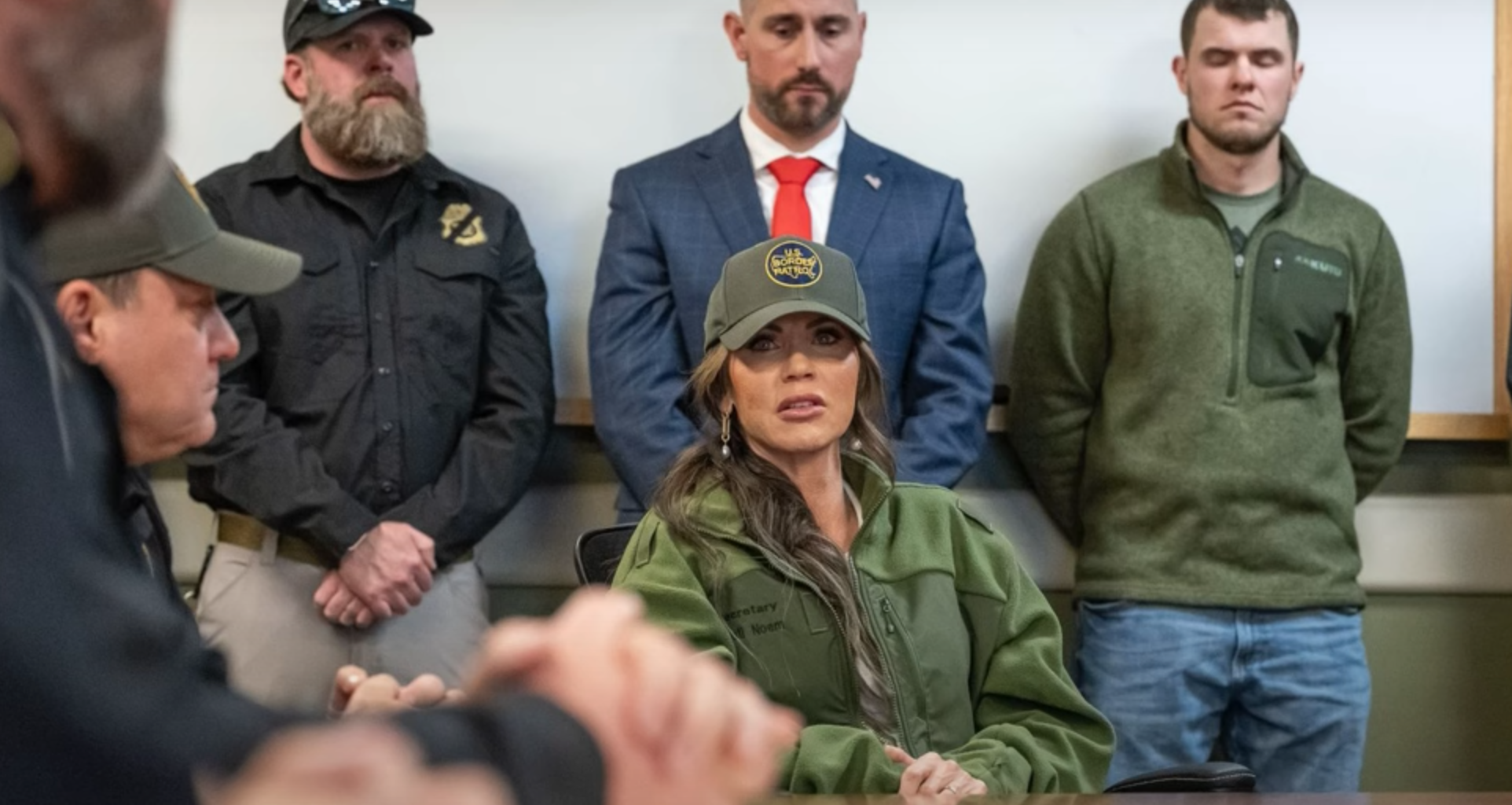
Of particular note is the involvement of Kristi Noem, who became Secretary of the Department of Homeland Security (DHS) early in the Trump administration’s second term. The report states that some detainees were beaten immediately after a visit by Noem, who posted a video of herself standing outside a cell holding the deported Venezuelans. Goebertus said that Noem’s high-profile visit “proved the administration’s awareness of the abuses occurring at Cecot.” In other words, the U.S. had visibility into what was happening—and yet pushed ahead with the deportations.
The Abuse Is Absolutely Brutal

Migrants pray at Kino Border Initiative shelter in Sonora, Mexico after being deported from the United States.Dsc3828
Many of the Venezuelans were asylum-seekers fleeing the authoritarian regime of Venezuela’s President Nicolás Maduro, and roughly half had no criminal record. Although the Salvadoran authorities labelled them as members of a gang known as Tren de Aragua, only about 3 per cent had previously been convicted in the U.S. of a violent crime, the report says. Detainees recounted being beaten for minor infractions—showering at the wrong time, speaking too loudly, or asking for medical treatment. Several recorded sexual abuse. The report acknowledges that sexual assault was likely far more widespread, though under-reported due to stigma.
The Treatment Mirrors Abu Ghraib

Bunkbeds are photographed in a room intended to house family units at the welcoming reception center for Mexican nationals deported from the U.S. in Juárez. Many of the mattreses were still wrapped in plastic as few the need to use this room has not been needed due to the low number of migrants deported to the border.
The groups call for an independent investigation by the U.S. Justice Department and an immediate halt to deportations of third-country nationals to El Salvador. They draw comparisons to the scandal of Abu Ghraib prison during the Iraq War, arguing that U.S. involvement in what looks like a deliberate pattern of torture undermines the rule of law and the values the government claims to defend.
How Much Does Noem Know?

With Noem’s DHS overseeing immigration enforcement at the highest level, her presence at the site—and the timing of the deportations—raises difficult questions about agency responsibility and oversight. The report suggests the U.S. did not simply outsource mistreatment but actively directed deportations into a context where abuse was likely. The policy, the authors say, was “a theatre of cruelty”, a phrase used by Cristosal’s executive director, Noah Bullock, to describe how the Salvadoran system was put to use.
In short, the report outlines a case not simply of neglect, but of alleged collusion: U.S. authorities sending individuals into a detention environment designed—or at least allowed—to inflict torture, while standing witness to the brutality. For the Venezuelans who appear in these pages, the consequences were devastating. Whether U.S. policymakers answer for it remains an open question.



