
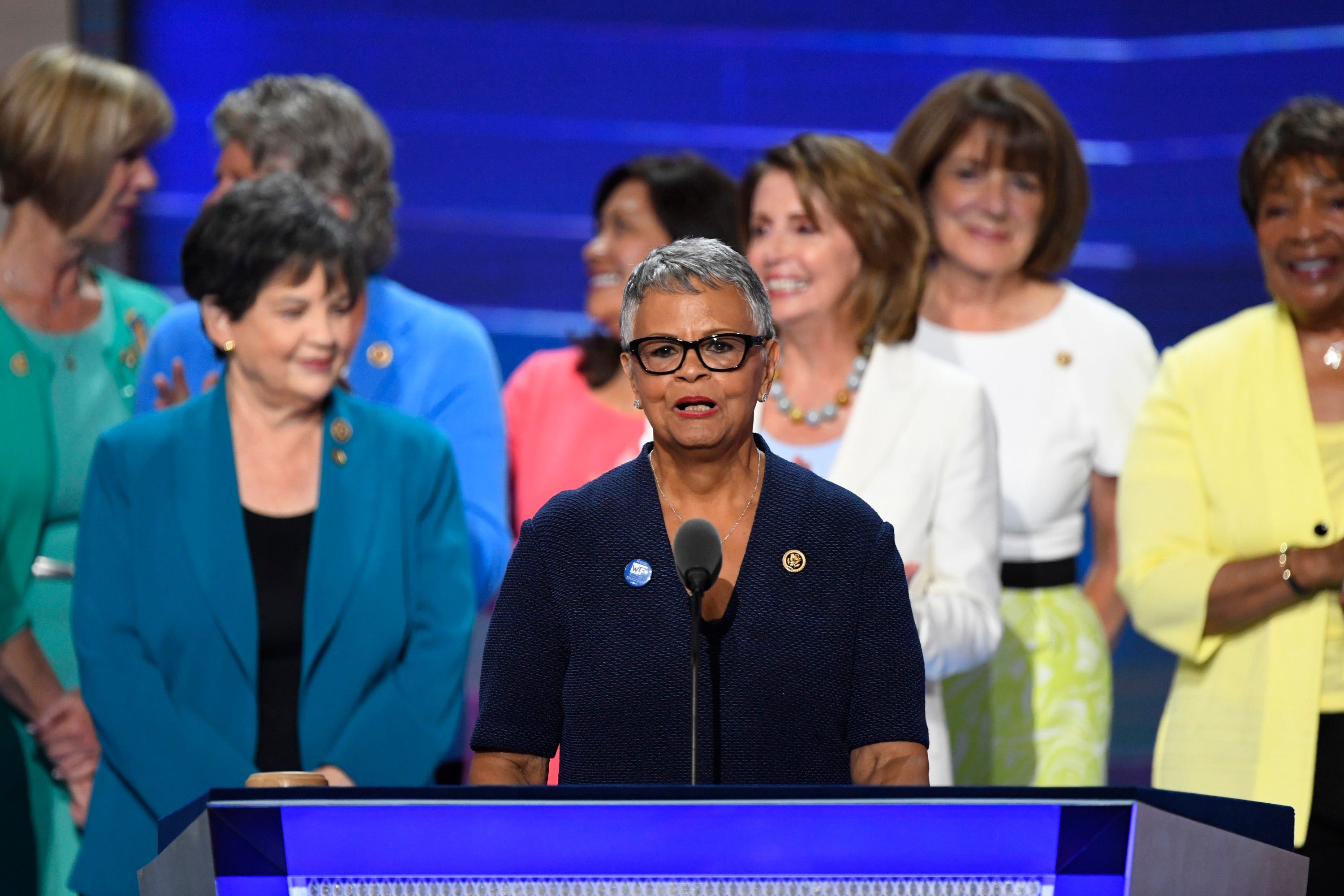
Rep. Bonnie Watson Coleman, the trailblazing Democrat who became the first Black woman to represent New Jersey in Congress, announced Monday that she will retire at the end of her term, saying it’s “time to pass the torch.”
The 80-year-old congresswoman released a statement sayig that her decision came after “tremendous thought and reflection” and conversations with her husband, Bill, and their family.
“I am confident it is the right choice for me and my family, who have graciously sacrificed by my side when I placed serving our community above all else,” she said. “I can truly say, I am at peace with my decision.”
Before arriving in Washington, Watson Coleman served for nearly two decades in the New Jersey General Assembly. In Congress, she became a leading voice in the Congressional Progressive Caucus. She has also been a steadfast advocate for civil rights, reproductive freedom, and working-class families — often grounding her politics in moral conviction as much as party loyalty.
In her retirement announcement, Watson Coleman reflected, “I pray our leaders advocate for a two-state solution that paves the way for peace, prosperity, and dignity for Israelis and Palestinians,” she said. “And I hope we continue to stand and fight against those who would target the vulnerable and attempt to harm our democracy.”
Her departure marks the end of an era in New Jersey politics. The 12th District — encompassing parts of Mercer, Middlesex, Somerset, and Union counties — is a safe Democratic seat, but Watson Coleman’s influence within the state’s political ecosystem runs deeper than party lines. She’s been a mentor to younger lawmakers and a bridge between the state’s activist base and its establishment leadership.
Already, several Democrats are lining up to succeed her.
Watson Coleman’s exit comes at a moment of generational turnover within the Democratic Party, as a wave of longtime figures — many of them pioneers in their own right — prepare to step aside for new leadership. Her announcement also follows a turbulent year in New Jersey politics, including her participation in a tense visit to a Newark immigration detention facility that ended in scuffles with federal officers and the brief arrest of Mayor Ras Baraka.
Still, Watson Coleman’s farewell was rooted less in controversy and more in continuity. Quoting her late friend and colleague John Lewis, she reminded her colleagues what public service ought to be about: “Get in good trouble, necessary trouble, and help redeem the soul of America.”
For nearly five decades, that’s exactly what Bonnie Watson Coleman did — and now she’s asking the next generation to do the same.



