
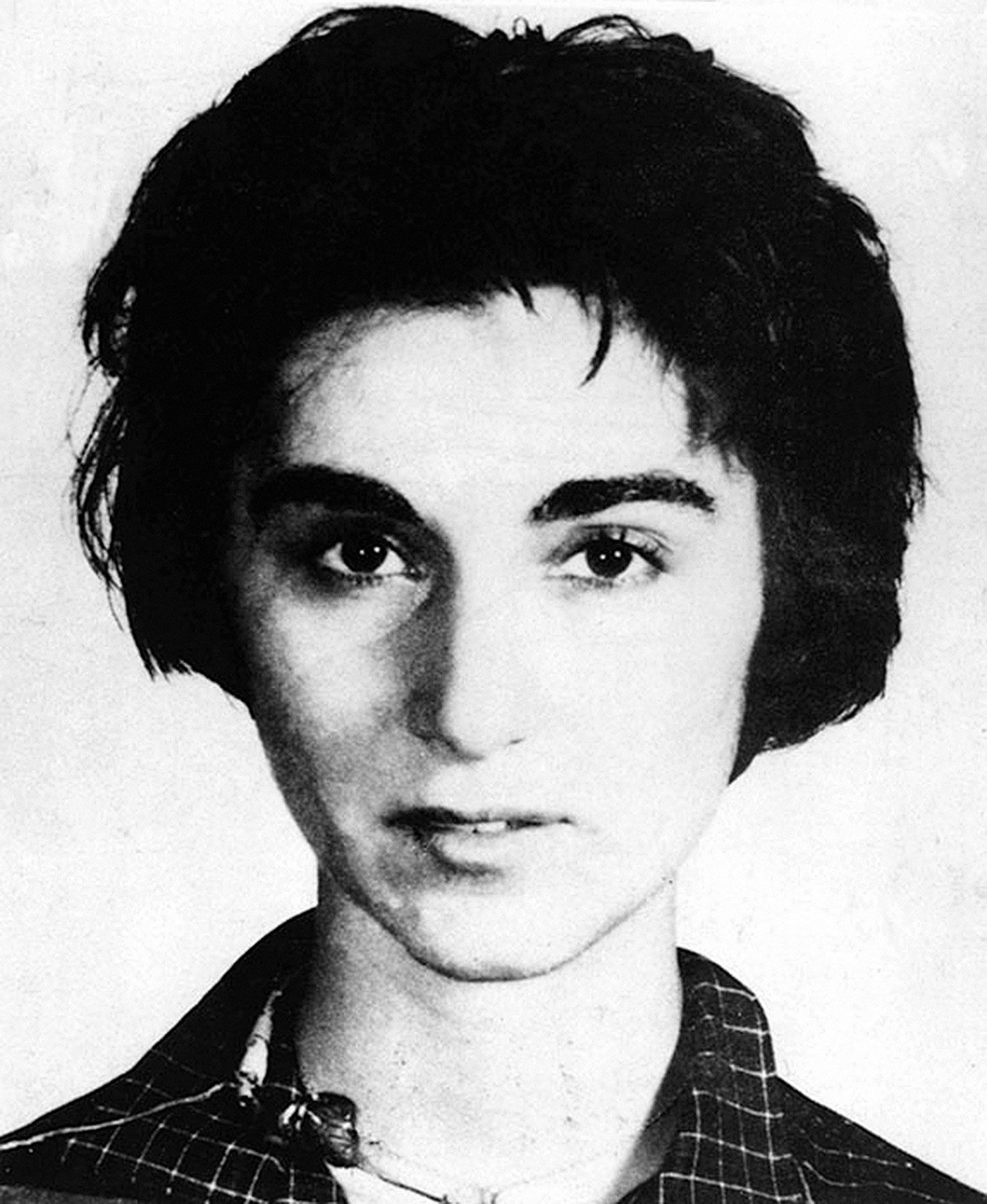
In the early hours of March 13, 1964, 28-year-old Catherine “Kitty” Genovese was attacked and fatally stabbed outside her apartment in Kew Gardens, Queens. The crime initially received modest local coverage, but two weeks later, The New York Times published a front-page story claiming that 38 witnesses saw or heard the attack and did nothing to help. The story shocked the nation, becoming a symbol of urban apathy and moral decline. Yet, later investigations revealed that many of the details were exaggerated or incorrect. Some neighbors did intervene by shouting, calling the police or rushing to her side. Despite these facts, the original report transformed Genovese’s death into a lasting cultural parable about human indifference and collective inaction.
The Crime and the Investigation

Genovese was returning home from her job as a bar manager when she was attacked by Winston Moseley, who had followed her from his car. She was stabbed twice outside her building, prompting one neighbor to yell at the assailant and scare him off. Seriously wounded, she managed to reach the rear of her apartment complex, where Moseley returned about 10 minutes later and fatally attacked her again out of public view. Neighbor Sophia Farrar found Genovese still alive and held her while waiting for help. Moseley was later arrested for burglary, after which he confessed to the murder and admitted to other crimes. Convicted in 1964, his death sentence was later reduced to life imprisonment. He remained incarcerated for the rest of his life.
The Media and the Making of a Legend

The story’s transformation into national myth began with The New York Times article titled “37 Who Saw Murder Didn’t Call the Police.” Based on comments from the New York City police commissioner, the report implied that dozens of onlookers ignored Genovese’s cries. Follow-up coverage and editorials expanded the narrative into a moral warning about declining compassion in modern cities. The newspaper’s editor, A.M. Rosenthal, later published a book reinforcing the same theme. Over time, this version of events entered popular culture, referenced in television, textbooks and psychology courses. However, later reviews of police reports, trial testimony and eyewitness accounts showed that only a few people could clearly see or understand what was happening that night, contradicting the original narrative.
Psychology and the Bystander Effect

Bystanders look on as firefighters battle a multiple alarm fire at an auto mechanic garage on North Bergen Blvd in Fort Lee on Thursday, July 31, 2025.
The Genovese case inspired psychologists Bibb Latané and John Darley to study why people sometimes fail to act during emergencies. Their experiments found that the likelihood of intervention decreases when multiple people are present, a phenomenon they called the “bystander effect.” They proposed three psychological processes behind this hesitation: diffusion of responsibility, where individuals assume others will act; evaluation apprehension, or fear of judgment; and pluralistic ignorance, where people interpret others’ inaction as a signal that help isn’t needed. Their work demonstrated that inaction often results from confusion and social pressure rather than indifference. This research shaped decades of study on group behavior and empathy, influencing everything from crisis response to public awareness campaigns.
Correcting the Record

Milwaukee Police detective Timothy Keller looks over file cabinets with records of evidence of 2020 and 2021 homicide victims, which had to be stacked on top of the cabinets due to the large amount of cases, at the Police Administration Building. MJS-HomicideUnit00p1
In later decades, researchers and journalists revisited the Genovese case, finding that the original reports had distorted key facts. Investigations by historians and journalists showed that several neighbors called police or attempted to intervene. The supposed 38 silent witnesses were a journalistic exaggeration. The work also highlighted how the case overshadowed examples of co-operation and compassion in group situations. The 2016 documentary “The Witness,” directed by James Solomon, followed Kitty’s brother Bill Genovese as he re-examined the events and restored his sister’s personal story. The film emphasized both the inaccuracies of the original reporting and the enduring emotional impact on those closest to her.
Legacy and Lessons

The Springfield-Greene County 911 Emergency Communications Department on Friday, June 27, 2025.
Despite its misreporting, the Genovese case reshaped public understanding of human behavior and responsibility. The tragedy helped inspire the creation of the 911 emergency call system, which began in 1968 to make contacting authorities faster and easier. The bystander effect became a key topic in psychology, sparking decades of research on empathy and moral action. Modern studies have shown that context and clarity often determine whether people intervene. Programs like Green Dot and It’s On Us use this research to train individuals to respond effectively in emergencies. While Kitty Genovese’s death was long mischaracterized as proof of public apathy, its true legacy lies in advancing the understanding of social behavior and the capacity for empathy within communities.
Sources: Biological Psychiatry, NPR, American Psychological Association, HISTORY



