
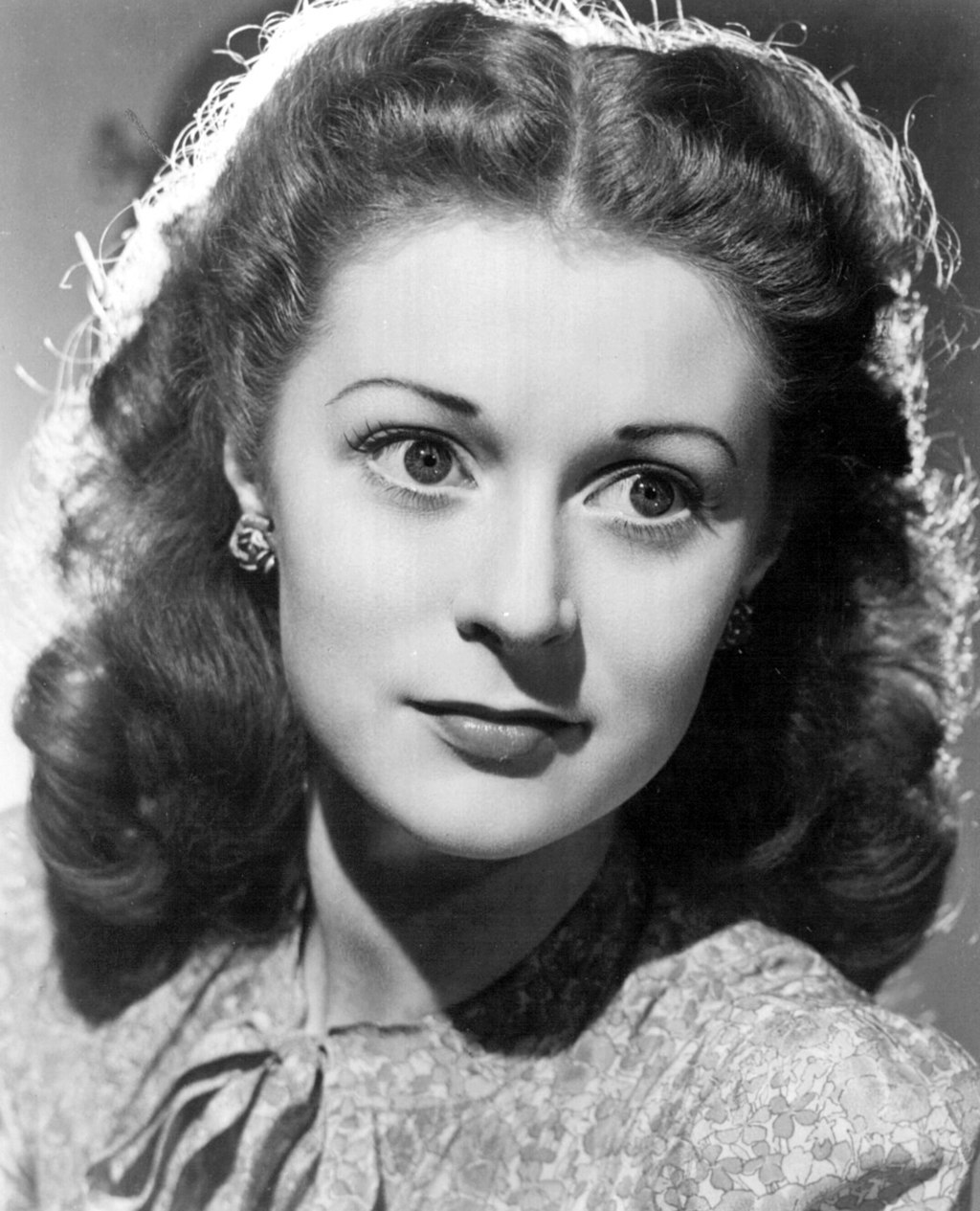
Dancer, actress and writer Moira Shearer King was born in 1926 in Dunfermline, Scotland. A gifted ballet dancer from an early age, she trained under Russian master Nicholas Legat and later joined Sadler’s Wells Ballet, which evolved into the Royal Ballet. Her red hair and expressive grace made her one of the company’s most striking figures. Although she achieved international fame through the 1948 film “The Red Shoes,” Shearer considered herself first and foremost a dancer. Her artistry extended to stage and film, but her relationship with fame and with the film that defined her career was complex and sometimes conflicted.
Rising Star of British Ballet

After early dance lessons encouraged by her mother, Shearer’s career quickly gained momentum. Joining Sadler’s Wells in the 1940s, she worked alongside legendary dancers like Margot Fonteyn, under the guidance of Ninette de Valois and choreographer Frederick Ashton. Shearer’s performances in ballets such as “Swan Lake,” “The Sleeping Beauty” and Ashton’s “Symphonic Variations” established her as one of Britain’s most accomplished young dancers. In 1948, she premiered the title role in Ashton’s “Cinderella,” confirming her place among the leading ballerinas of her generation. Although she was never the company’s top star, her technical precision and vivid stage presence earned her wide acclaim.
Reluctant Film Star

When filmmakers Michael Powell and Emeric Pressburger approached Shearer to star in “The Red Shoes,” she initially refused. She found the script unappealing and feared the project might derail her ballet career. Director Powell persisted, eventually convincing her — with help from de Valois, who, according to Shearer, was immensely annoyed by Powell’s constant pestering of the ballet company — to take the role of Victoria Page, a young dancer torn between love and ambition. Filmed in 1947 and released the next year, the Technicolor masterpiece became a global success. It was hailed as the most captivating ballet film ever made and transformed Shearer into an international celebrity. For audiences, she became inseparable from the tragic heroine she portrayed, something Shearer herself found both flattering and burdensome.
The Controversy of “The Red Shoes”

Despite its artistic triumph, “The Red Shoes” created lasting tension in Shearer’s life. She disliked the film’s portrayal of the ballet world, calling its melodrama unrealistic and its heroine’s fate implausible. Within the dance community, her sudden movie stardom caused resentment; some colleagues saw her as a sellout. Shearer later said the film damaged her standing in classical ballet, and she struggled to regain acceptance after returning to the stage. Although critics praised her performance, she viewed the project as a distraction rather than a pinnacle. The irony remained that the film she had resisted making became the work that defined her in the public imagination.
Beyond the Screen and Stage

Following “The Red Shoes,” Shearer appeared in several films, including “The Tales of Hoffmann,” “Peeping Tom” and “Black Tights.” She also performed in theatre productions such as “I Am a Camera” and “The Skin of Our Teeth.” By the mid-1950s, she had largely stepped away from dance, focusing instead on acting, writing and family life. In 1950, she married journalist and broadcaster Ludovic Kennedy, with whom she had four children; she gained the title of Lady Kennedy after her husband was knighted in 1994. Shearer later lectured on dance internationally and published Ballet Master: A Dancer’s View of George Balanchine in 1986, sharing insights from her artistic journey.
A Reluctant Icon

Moira Shearer’s influence on ballet and film remains profound. Her performance in “The Red Shoes” inspired generations of dancers and helped popularize ballet worldwide. Despite her opinion of the movie, it’s become a beloved classic of many film fans. Yet she never fully embraced her celebrity, preferring to be remembered as a serious artist rather than a film star. When asked her occupation late in life, she simply answered, “Writer.” Shearer died in 2006 at age 80 in Oxford, England. Though she often felt overshadowed by one defining role, her career reflected versatility and resilience — qualities that made her one of the most luminous figures in British dance and cinema.
Sources: Los Angeles Times, BFI Screen Online, The New York Times (1), The New York Times (2), The New York Times (3), National Portrait Gallery, Bloomsbury



