
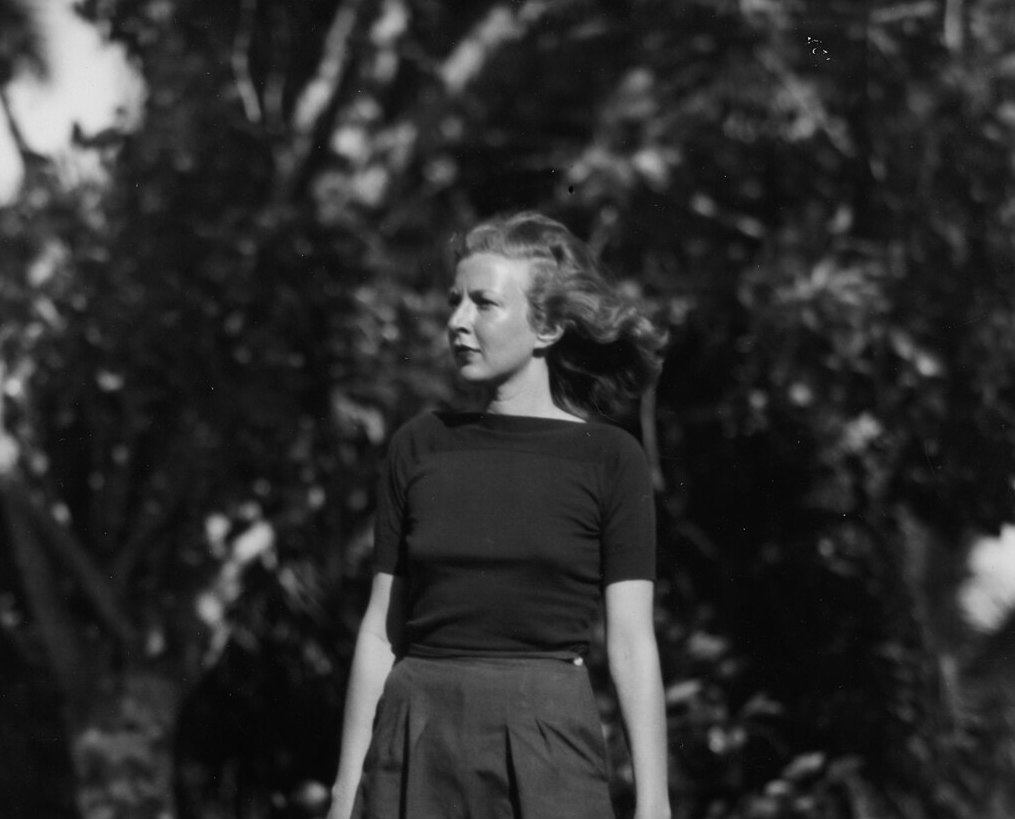
Martha Gellhorn (1908-1998) is now recognized as one of the most accomplished war correspondents of the 20th century. Born in St. Louis, Missouri, to a progressive family — her mother was a suffragist — Gellhorn developed a fierce sense of independence early on. After leaving Bryn Mawr College to pursue journalism, she began reporting for The New Republic and later the United Press in Paris. Her early work covered the struggles of the Great Depression and social issues in America, but it was her coverage of global conflict, beginning with the Spanish Civil War, that cemented her reputation. Over six decades, Gellhorn’s reporting brought readers face-to-face with the realities of war across continents.
From the Depression to the Front Lines

Before becoming a war correspondent, Gellhorn worked for the Federal Emergency Relief Administration, documenting the impact of the Great Depression. Traveling alongside photographer Dorothea Lange, she chronicled the lives of struggling Americans for President Roosevelt’s New Deal programs. Her empathy for ordinary people defined her reporting style. In 1936, a chance meeting with Ernest Hemingway in Key West altered her path. Soon after, she accepted an assignment from Collier’s Weekly to cover the Spanish Civil War. Carrying only a small bag and limited funds, Gellhorn went to Spain determined to report on the human cost of the conflict. Her vivid dispatches from bombed cities and field hospitals established her as a fearless observer of modern warfare.
Spain and the Rise of a War Correspondent

In Spain, Gellhorn documented the devastation of the civil war from the front lines in Madrid and Barcelona. Her writing captured both the suffering of civilians and the endurance of soldiers under siege. While working alongside Hemingway, she developed the sharp, unflinching voice that would define her career. Her accounts of Spain not only reflected the war’s brutality but also illuminated the broader threat of fascism spreading through Europe. By the late 1930s, she was reporting from Czechoslovakia and Finland, bearing witness to the growing instability that preceded World War II. Her reporting, marked by compassion and clarity, helped redefine war journalism at a time when few women were given such assignments.
World War II and D-Day

During World War II, Gellhorn became one of Collier’s most respected correspondents. In 1944, when denied official credentials to cover the D-Day invasion, she famously stowed away on a hospital ship and landed at Normandy with the medics. As one of the few journalists, male or female, to reach the beaches on June 6, she reported from the ground on the chaos and courage of the invasion. Later, she covered the Battle of the Bulge and witnessed the liberation of the Dachau concentration camp, producing some of her most powerful work. Gellhorn’s reporting stood out for its focus on individual lives amid global conflict, showing how ordinary people endured extraordinary suffering.
A Career Beyond Hemingway

Although Gellhorn was married to Ernest Hemingway from 1940 to 1945, her career quickly eclipsed the association. After covering Europe and Asia during the war, she continued to report on nearly every major conflict of the next four decades, including Vietnam, the Arab-Israeli wars and the U.S. invasion of Panama. Her dedication often came at personal cost, as she risked her safety to tell the stories of those most affected by violence. Despite her fame, she rejected the label of “Mrs. Hemingway,” insisting her work stood on its own. Through her fearless journalism and fiction, Gellhorn carved out a place as one of the few women to chronicle the 20th century’s defining wars firsthand.
Legacy of a Fearless Correspondent

Martha Gellhorn’s reporting changed the standards of war journalism. She refused to write from safe distances, choosing instead to witness history directly, whether under bombardment in Spain or amid the ruins of postwar Europe. Her later works, including The Face of War, gathered decades of her frontline writing, reflecting both the horrors she saw and her enduring faith in humanity. Gellhorn’s legacy endures in generations of correspondents who followed her path into war zones. In 2008, the U.S. Postal Service honored her as the only woman in a commemorative series dedicated to 20th-century journalists. She died in London in 1998 at age 89, leaving behind a lifetime devoted to truth and courage in reporting.
Sources: JFK Library, The New York Times, The National WWII Museum



