
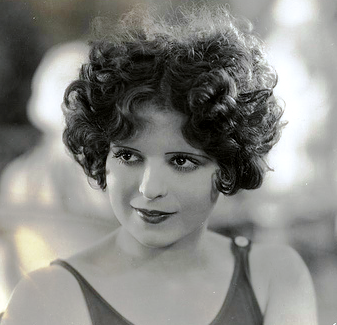
Clara Bow rose from a troubled Brooklyn childhood to international stardom, becoming one of the most iconic figures of early Hollywood. Known as the “It Girl,” she embodied the excitement and rebellion of the 1920s. Her natural energy and emotional authenticity on screen made her a favorite of audiences during both the silent and early sound eras. Yet behind the fame lay hardship, family trauma, media scrutiny and mental illness, which shaped and ultimately shadowed her short but dazzling career.
A Difficult Beginning

Clara Gordon Bow was born in 1905 in a Brooklyn tenement, the only surviving child of parents who had already lost two infants. Her mother, Sarah, suffered a head injury at 16 that led to epileptic seizures and delusional episodes. Clara spent her childhood caring for her mother, who often had violent outbursts. After an attack in which her mother held a knife to her throat, Clara had her committed to an asylum. Following her mother’s death, Bow struggled with poverty and abuse but remained determined to escape her circumstances. Her resilience and drive, forged through hardship, later defined her persona as Hollywood’s embodiment of independence and ambition.
From Contest Winner to Film Star

Bow’s entry into acting came after winning a nationwide beauty contest sponsored by “Brewster Magazine” in 1922. Her prize included a role in “Beyond the Rainbow,” but her real breakthrough came with “Down to the Sea in Ships” later that year. She soon moved to Hollywood, where her expressive performances and unpolished charm caught the attention of studios. Between 1923 and 1925, Bow appeared in dozens of films, including “The Plastic Age,” which made her a household name. Her tomboyish confidence and emotional realism distinguished her from the more polished stars of the time, marking her as a symbol of a changing era in American culture and cinema.
The Rise of the “It Girl”

Bow reached the peak of her fame in 1927 with “It,” the film that coined her nickname. Her portrayal of a spirited shopgirl who wins her boss’s heart captured the essence of the modern flapper — self-assured, playful and unrestrained. That same year she appeared in “Wings,” the first film to win the Academy Award for Best Picture. Audiences embraced her as the face of the Roaring Twenties, a symbol of female freedom and confidence. With her expressive eyes and lively screen presence, Bow became one of Hollywood’s biggest stars, receiving tens of thousands of fan letters each month at the height of her fame.
Scandal and Decline

Bow’s success came at a heavy personal cost. Constant tabloid attention exaggerated her social life, romantic relationships and unconventional behavior. A 1931 trial involving her former secretary exposed intimate details of her private life, leaving Bow humiliated and exhausted. Her mental health deteriorated, leading to hospitalization and her eventual withdrawal from Paramount Pictures. The following year she married actor Rex Bell and moved to Nevada, where they raised two sons on their ranch. Though she briefly returned to film in “Call Her Savage” (1932) and “Hoop-La” (1933), Bow retired the next year. Her later years were marked by mental illness and reclusiveness, but her influence on Hollywood endured.
Legacy and Modern Resonance

Though Bow’s film career lasted little more than a decade, her impact on popular culture remains profound. She appeared in 57 films, 11 of them talkies, and received a star on the Hollywood Walk of Fame in 1960. Scholars and biographers have revisited her life as a study in the pressures placed on women in early Hollywood, where they were celebrated and punished for their independence. Decades after her death in 1965, new generations rediscovered Bow through films, biographies and even music. Taylor Swift’s 2024 track “Clara Bow” paid homage to the actress’s pioneering spirit, drawing parallels between two women who defined and defied the spotlight in their own eras.
Sources: Hollywood Walk of Fame, Library of Congress, TODAY



