
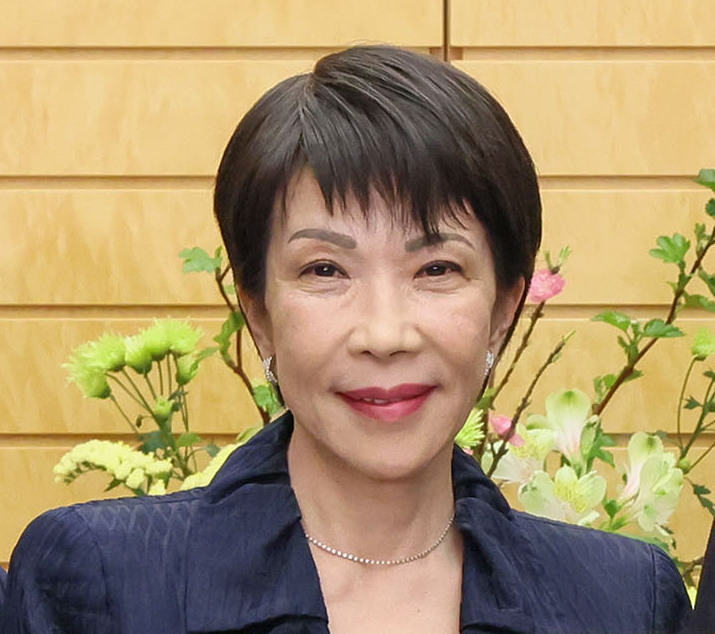
Japan has entered uncharted political territory. On Tuesday, its parliament elected Sanae Takaichi as the country’s first female prime minister — a historic milestone shadowed by questions about how far she will push Japan’s politics to the right.
Takaichi, 64, replaces Shigeru Ishiba, whose short-lived tenure ended in resignation following his party’s devastating election defeat in July. After three months of political paralysis and backroom maneuvering, lawmakers in the lower house handed Takaichi 237 votes — just four more than a majority — securing her victory over opposition leader Yoshiko Noda.
When the results were announced, Takaichi bowed deeply before the chamber, signaling both humility and determination. Yet even as she broke one of Japan’s oldest political barriers, she did so as the leader of a fragile and fractious government.
Her Liberal Democratic Party (LDP), which has ruled Japan for most of the past seven decades, lost its longtime centrist coalition partner, Komeito, in the wake of corruption scandals and ideological rifts. To regain control, Takaichi forged a last-minute deal with the right-wing Japan Innovation Party, or Ishin no Kai, based in Osaka. The alliance gives her just enough support to govern, but not a clear majority — leaving her dependent on smaller opposition parties to pass legislation.
The coalition agreement underscores Takaichi’s ultraconservative positions. A protégé of the late former Prime Minister Shinzo Abe, she has long advocated for constitutional revision to strengthen Japan’s military, backed the imperial family’s male-only succession, and opposed same-sex marriage and separate surnames for married couples. She has described herself as a “patriot, not a feminist,” and is seen as an admirer of former British Prime Minister Margaret Thatcher.
In a sign of how delicate her position may be, Takaichi has already toned down her rhetoric. Days before her election, she sent a religious ornament to the controversial Yasukuni Shrine instead of visiting in person — a gesture aimed at avoiding renewed protests from Beijing and Seoul, which view such pilgrimages as symbols of Japan’s unrepentant wartime past.
Rising prices and stagnant wages have left Japan’s middle class frustrated and disillusioned. LDP Secretary General Shunichi Suzuki said the new government’s top priority would be economic relief. “We must live up to the expectations of the people,” he told NHK, apologizing for the months of political gridlock.
Later this week, Takaichi will deliver her first policy address before meeting with U.S. President Donald Trump and regional leaders. She has until late December to present a major stimulus package — her first real test of leadership.
Takaichi’s Cabinet, to be announced later Tuesday, is expected to include allies of powerful LDP figure Taro Aso and others who backed her rise. The Japan Innovation Party, meanwhile, will hold off on taking Cabinet posts until it’s confident in the stability of their partnership.
Whether Takaichi’s historic rise marks a turning point for women in Japanese politics or simply a continuation of old power structures under a new face remains uncertain. For now, Japan has its first female prime minister — one whose leadership will be measured not just by what she represents, but by how she governs.



