
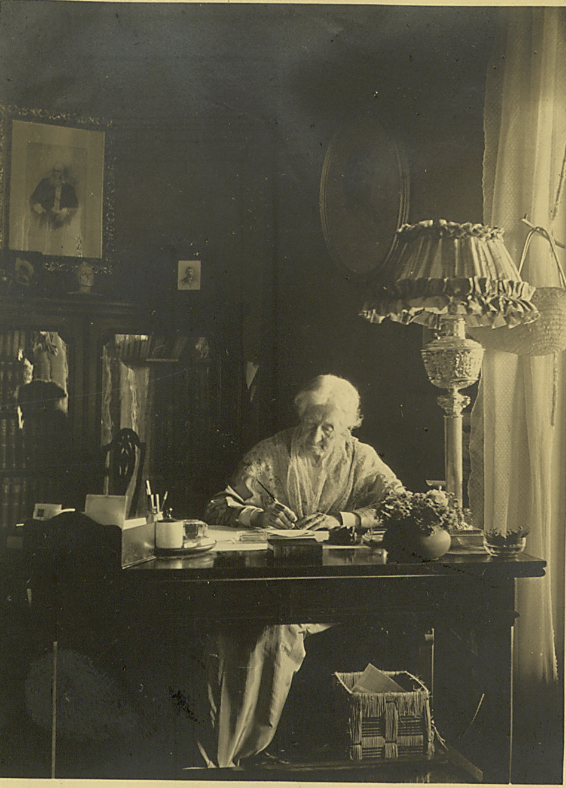
Before Hemingway swaggered through Paris or Fitzgerald gilded the Jazz Age, women ruled American letters. In the mid-19th century, they filled parlors and railway stations with serialized fiction, sold millions of books, and created heroines with grit. Yet as the 20th-century canon took shape, a curious amnesia erased them. Among the many women who once dominated the bestseller lists, five stand out for their influence, innovation, and enduring relevance.
Fanny Fern

Fanny Fern, born Sara Payson Willis in 1811, was America’s first celebrity columnist and one of the country’s highest-paid writers. With sharp humor and fearless candor, she transformed domestic frustration into social critique. Her 1854 novel Ruth Hall — a thinly veiled autobiography about a widow who supports her children through writing — became both a bestseller and a feminist landmark. Critics derided her as “vulgar,” but readers adored her honesty and irreverence. Fern’s columns gave voice to women’s everyday indignities and insisted that the household was a stage for courage, wit, and rebellion. She turned self-expression into both livelihood and revolution.
Frances Ellen Watkins Harper

Frances Ellen Watkins Harper used literature as both protest and prophecy. Born free in Baltimore in 1825, she became a poet, orator, and one of the first African American women to publish a novel. Her book Iola Leroy (1892) follows a mixed-race heroine reclaiming identity and moral purpose after the Civil War. Harper’s sentimental style masked a radical critique of racism, sexism, and economic inequality. Through her lectures and activism, she fused art with ethics, reminding audiences that justice and imagination belong together. A founder of the National Association of Colored Women, she embodied intersectional feminism generations before it was named.
Mary Jane Holmes

Mary Jane Holmes was the quiet titan of 19th-century fiction. Between 1854 and 1900, she sold more than two million books—an extraordinary feat for any author, male or female. Her novels centered on ordinary people: widows, governesses, shopkeepers, and farm wives navigating love, loss, and moral compromise. Tempest and Sunshine, her breakthrough novel, balanced sentiment with sharp social observation. Holmes captured small-town America with realism and empathy that prefigured modern regional writing. Though critics later dismissed her as “domestic,” her nuanced portrayals of women’s resilience and class tensions reveal a writer of craft, conscience, and enduring cultural insight.
Ann Sophia Stephens

Ann Sophia Stephens helped invent America’s popular fiction industry. Born in 1810, she edited magazines, mentored writers, and mastered the art of serialized storytelling. Her 1839 tale Malaeska, the Indian Wife of the White Hunter — later reissued as the first “dime novel” — brought cheap, thrilling literature to the masses. Stephens’s fast-paced plots explored class mobility, ambition, and women’s autonomy under pressure. Beneath their melodrama ran a steady moral current and keen awareness of social change. She democratized reading by making books accessible to working-class audiences and proved that entertainment could carry intelligence, empathy, and quiet social rebellion.
E.D.E.N. Southworth

E.D.E.N. Southworth, born in 1819, turned hardship into empire. Abandoned by her husband, she supported her family by writing serialized novels that captivated the nation. The Hidden Hand introduced Capitola Black, a cross-dressing, whip-smart orphan who outwits villains and rescues herself. Southworth’s cliffhangers anticipated modern television drama, keeping readers in suspense week after week. Her heroines defied every norm of womanhood: bold, cunning, and morally complex. She negotiated lucrative publishing contracts and became one of the best-paid writers in America. Through sensational plots and daring characters, Southworth transformed “popular fiction” into an audacious statement of female independence.



