
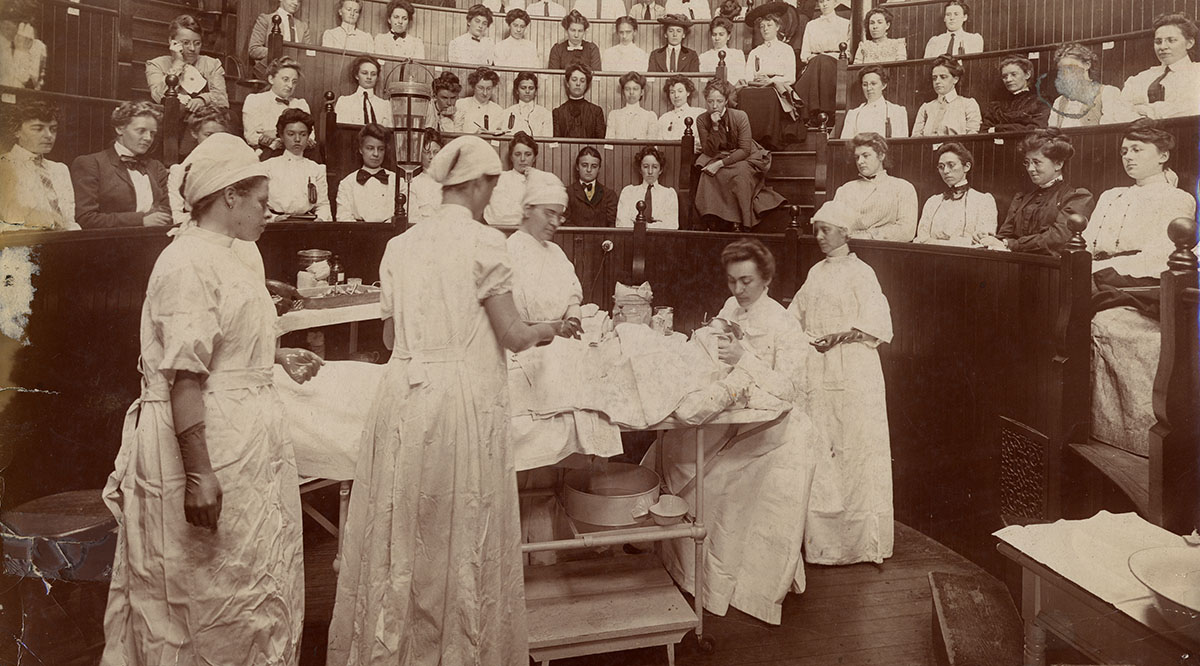

Across centuries, women have profoundly influenced the evolution of medicine and public health, often overcoming exclusion, discrimination, and limited access to education. From battlefield nurses and social reformers to pioneering physicians and researchers, their contributions have reshaped how communities receive care and how compassion is expressed through science. Many of these trailblazers worked during eras when women were discouraged—or outright barred—from professional medical practice, yet they persisted, building systems that saved lives and advanced equality. Their legacies extend far beyond hospitals and laboratories, influencing global health policy, humanitarian response, and cultural attitudes toward caregiving itself. Here are four remarkable women who changed healthcare for generations to come.
Susie Walking Bear Yellowtail (1903-1981)

Susie Walking Bear Yellowtail, a member of the Crow Nation, was one of the first Native American registered nurses in the United States and a pioneering advocate for Indigenous health equity. Beginning her career in the 1920s, she dedicated her life to improving healthcare access and quality for Native communities across the country. She worked to end systemic discrimination in hospitals and helped establish maternal and child health programs in tribal areas. Yellowtail also served on federal health advisory boards, shaping policies for the Indian Health Service and influencing national discussions on cultural competency in medicine. Her decades of service laid the foundation for modern Native healthcare advocacy and inspired generations of Indigenous health professionals.
Clara Barton (1821-1912)

Clara Barton transformed the landscape of medical care and humanitarian aid through her leadership, compassion, and innovation. Beginning as a nurse during the American Civil War, she earned recognition for organizing battlefield relief and caring for wounded soldiers under dangerous conditions. After the war, she founded the Office of Missing Soldiers, helping thousands of families locate displaced loved ones. In 1881, Barton established the American Red Cross, bringing a structured, neutral disaster and health response to the United States. She also championed the Geneva Convention, ensuring international protections for medical workers and civilians. Barton’s legacy endures as a cornerstone of modern emergency medicine, public health, and global humanitarianism.
Elizabeth Blackwell (1821-1910)

Englishwoman Elizabeth Blackwell made history in 1849 as the first woman to earn a medical degree in the United States, breaking barriers in a field long closed to women. Born in England and raised in the U.S., she faced persistent discrimination from medical schools and peers but persisted, graduating at the top of her class from Geneva Medical College in New York. Blackwell went on to open the New York Infirmary for Women and Children, providing medical care to underserved populations and training opportunities for female physicians. She later helped establish the London School of Medicine for Women, expanding access to medical education internationally. Her career transformed women’s roles in medicine and advanced public health reform.
Alexa Canady

Dr. Alexa Canady made history in 1981 as the first Black woman board-certified neurosurgeon in the United States, paving the way for greater diversity in one of medicine’s most demanding fields. Born in Lansing, Michigan, she earned her medical degree from the University of Michigan and completed her neurosurgery residency at the University of Minnesota. Canady specialized in pediatric neurosurgery, treating children with conditions such as hydrocephalus, brain tumors, and spinal abnormalities. In 1987 she became the chief of neurosurgery at Children’s Hospital of Michigan, where she combined surgical precision with deep empathy, mentoring young physicians and advocating for equity in healthcare. Her pioneering career opened doors for future generations of women and underrepresented minorities in medicine.
Source: Supplemental Health Care, Association of American Medical Colleges



