
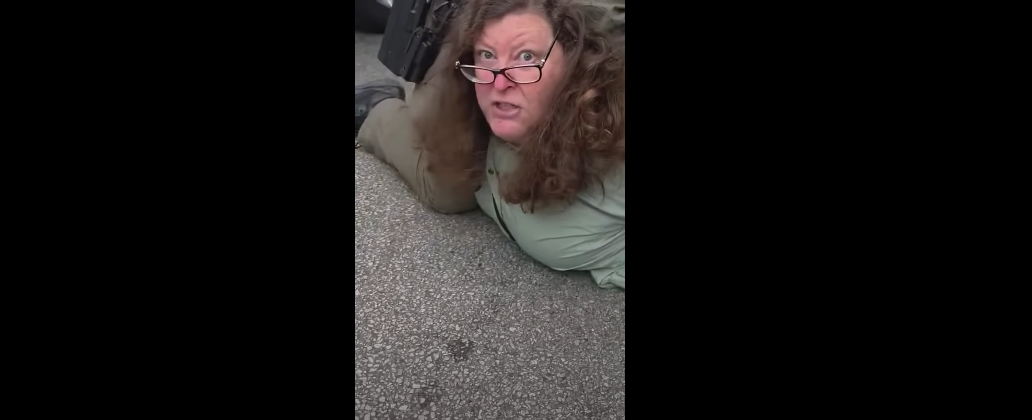

Debbie Brockman, a producer and longtime staffer at WGN-TV, was detained and released without charges on October 10th by federal immigration authorities during an enforcement sweep in the Lincoln Square neighborhood in Chicago, Illinois. The incident, which unfolded in a popular residential area, drew widespread attention after a viral video circulated showing federal agents forcibly subduing her and placing her into an unmarked vehicle.
According to reports, the producer had been filming the detention of another individual when agents intervened. The detained employee was later released without any formal charges. WGN confirmed her release and declined to make additional statements, citing privacy considerations. The network is working to recover video recordings and ascertain exactly what led to the detention.
WGN released a statement: “Earlier today, a WGN-TV creative services employee was detained by ICE,” the station said. “She has since been released, and no charges were filed against her. Out of respect for her privacy, we will have no further statements about this incident.”
The incident involving the enforcement officers occurred amid a broader escalation of federal immigration activity in Chicago, part of a recently launched operation aimed at detaining undocumented individuals with criminal records. That campaign has stirred tensions in neighborhoods across the city, including protests and legal challenges involving media coverage and police protocol.
The timing of the arrest also intersected with a federal court order intended to protect journalists and protesters from excessive force. The temporary restraining order prohibits arrests or deployment of force against reporters without probable cause—raising questions about whether the detention violated procedural protections. Legal observers are now examining whether federal agents exceeded permissible bounds during the Thursday morning operation.
Local journalism outlets and associations as well as civil liberties groups have expressed deep concern about what the incident implies for press freedom and employee safety. Some of the central issues at hand include how newsrooms should navigate interactions with law enforcement during active operations and what safeguards apply when journalists document public activity that turns confrontational. It’s likely that many newsrooms will have to review and update how reporters and employees approach these situations in the coming weeks.
The event has reignited broader conversations about the relationship between law enforcement and the press, especially when journalists cover high-intensity enforcement actions. Media advocates are calling for improved training for both reporters and authorities to prevent similar encounters. Chicago officials have indicated that internal reviews may assess coordination protocols between local agencies and federal officers. As investigations continue, authorities, community leaders, and media advocates await a more detailed public accounting of the event. WGN, meanwhile, must balance its role as employer, investigator, and protector of its staff. Whether this case prompts formal oversight, policy scrutiny, or internal reforms remains to be seen.
Sources: ABC News, The Chicago Tribune, CBS News



