
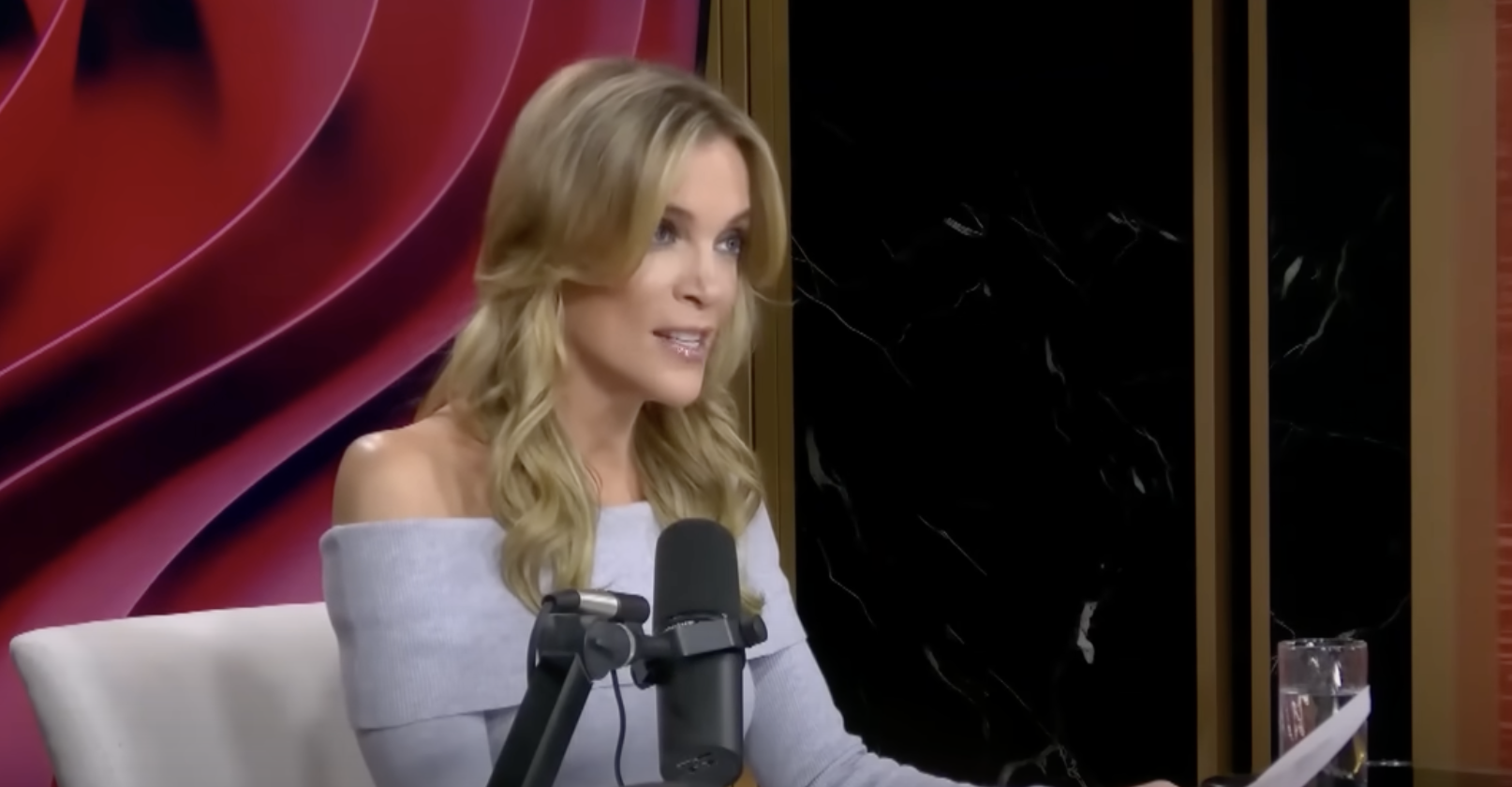
Megyn Kelly speaks with journalist Ken Vogel (author of Devils’ Advocates) about why people close to U.S. power become targets for overseas interests. Vogel explains that in many countries, the go-to method for shaping outcomes is paying those around decision-makers. Even with American ethics rules, foreigners still seek “well-connected Americans”—from business partners to family members—to buy perception, access, or protection. In Vogel’s telling, Hunter Biden, Rudy Giuliani, and others fit a broader pattern he documents in his book.
Burisma, credentials, and the power of perception
The conversation centers on Hunter Biden joining the board of Ukrainian energy firm Burisma while Joe Biden was vice president. Kelly and Vogel emphasize Hunter’s lack of oil-and-gas expertise and frame his value as reputational: having the vice president’s son on the board signaled standing—or potential shielding—to Ukrainian actors targeted by anti-corruption efforts. Vogel stresses that, in such environments, perception can matter as much as any concrete policy change. He notes this “mixed message” dynamic: U.S. officials urging crackdowns on corruption while a senior official’s family member sits with a company under scrutiny.
What Joe Biden knew—and how messages get sent
The two discuss statements from Joe Biden and the White House insisting he did not discuss specific foreign business with his son. Vogel adds that courtesies and relationship signals can still send a message. He cites Hunter’s former partner Devon Archer recounting that Joe Biden would convey a durable goodwill—“do something for my son, you’re a friend for life”—which, in Vogel’s view, can be read by foreign counterparts as tacit endorsement, even absent direct instructions.
A reported CIA memo and a 2015 speech
Kelly references reporting (as discussed in the interview) that Joe Biden’s vice-presidential team did not want a CIA assessment widely shared about how Ukrainian officials viewed Hunter’s activities. She contrasts that with a 2015 Joe Biden speech in Kyiv touting anti-corruption reforms, underscoring the optics problem at the heart of the conversation: the dissonance between public messaging and private associations, as perceived by foreign officials.
Beyond Ukraine: Romania, FARA hints, and timelines
Vogel says prosecutors in the Hunter Biden case later hinted at potential Foreign Agents Registration Act (FARA) exposure related not to Ukraine but to Romania—though they did not bring those charges. He also points to how timelines matter: the interview notes that key business activity spooled up around early 2014 (with Archer helping pave Hunter’s way onto Burisma’s board). In discussing legal exposure windows, Vogel highlights how coverage periods and charging considerations often track those same start dates.
The broader “influence industry” problem
Importantly, Vogel frames this as bigger than any one person or party. The same dynamics—foreign clients seeking cachet and Americans selling proximity—have reappeared across administrations and political alignments. In his view, the problem is structural: a global market for influence and a domestic class of intermediaries willing to supply it. That market thrives on ambiguity: the space between formal policy and informal access, between what is promised and what is merely implied.
Takeaways
Kelly and Vogel’s conversation sketches a picture of how appearances, relationships, and timing can be leveraged abroad and exploited at home. Whether discussing the symbolism of a board seat, the mixed signals that creates for prosecutors overseas, or the way legal timelines map to business deals, their argument is less about a single smoking gun than about an influence ecosystem. The episode’s through-line: when reputations are currency, perception becomes policy—at least in the eyes of those paying for it—and the costs can extend well beyond any one family name.
Source: Megyn Kelly/YouTube, https://www.youtube.com/watch?v=8Lzjt65s-Fk



