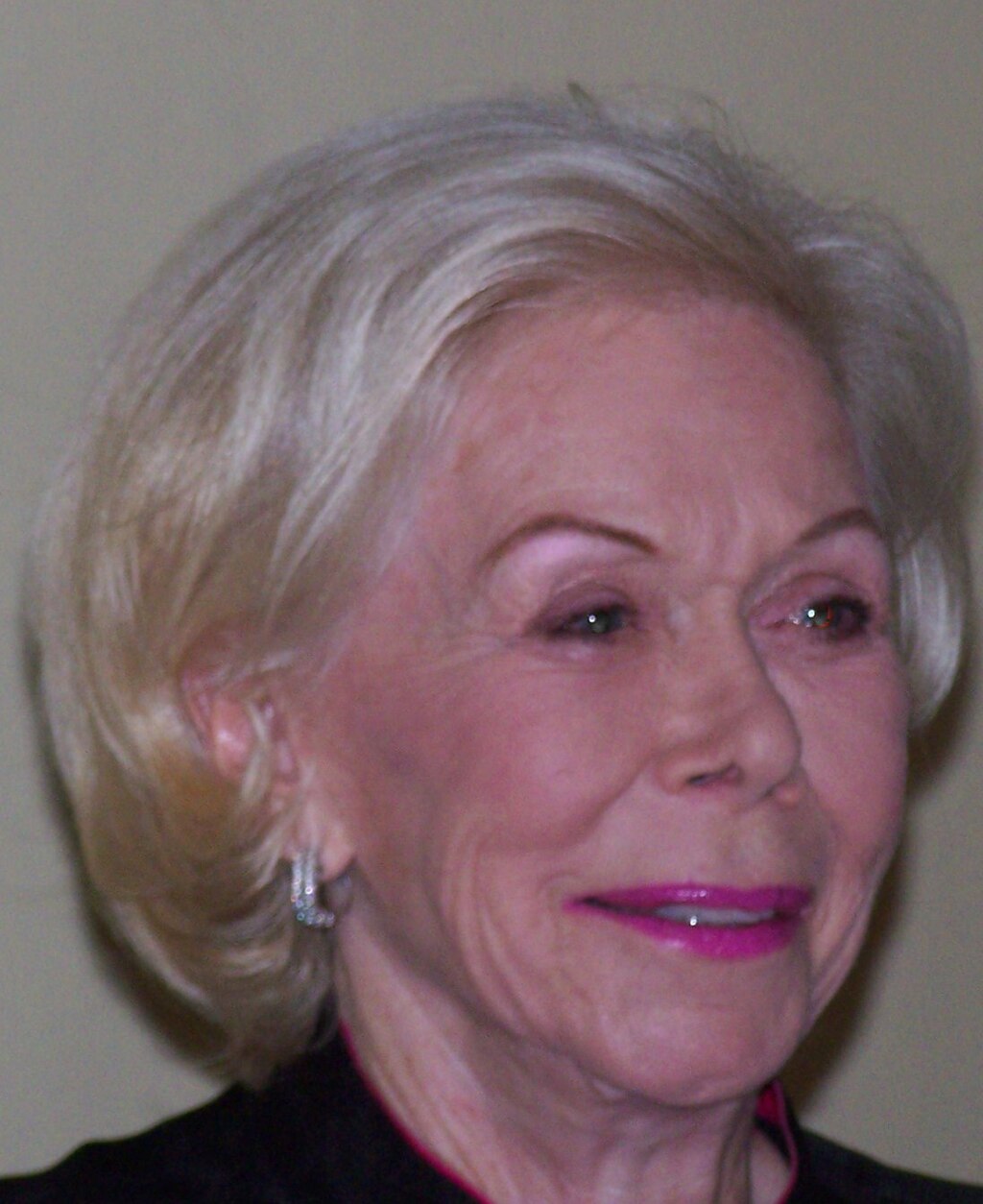
Louise Hay was born in Los Angeles, California, on October 8, 1926. Her early years were marked by hardship and trauma. She dropped out of high school and, at 16, gave birth to a daughter she later gave up for adoption. After moving to Chicago and then New York, she supported herself with modeling work for designers such as Bill Blass and Pauline Trigère. In 1954, she married English businessman Andrew Hay, traveling widely during their 14-year marriage. When the relationship ended, Hay found herself at a crossroads, seeking answers in new spiritual teachings. These early struggles later shaped the philosophies that became the foundation of her career in self-help and publishing.
Discovering the Power of Thought

Following her divorce, Hay began attending the First Church of Religious Science in Manhattan. There, she encountered the idea that changing one’s thoughts could transform one’s life. This philosophy resonated deeply with her. By the 1970s, she had become a Religious Science practitioner, counseling people and leading workshops. In 1976, she compiled her ideas into a pamphlet called Heal Your Body, which linked mental patterns to physical illnesses. This “little blue book” was the beginning of Hay’s rise as a teacher and author, eventually reaching audiences worldwide with her message that self-love and positive thinking can bring about emotional and physical healing.
Healing and You Can Heal Your Life

Hay put her own teachings to the test when she was diagnosed with cervical cancer in the late 1970s. She chose to forgo traditional medical treatment and embarked on a program of nutrition, psychotherapy, forgiveness and affirmations. She later credited this regimen with her recovery. In 1984, she published You Can Heal Your Life, which expanded on the ideas in her earlier pamphlet. The book became a global bestseller, with more than 50 million copies sold and translations into dozens of languages. Its success established Hay as one of the founders of the modern self-help movement and a leading voice in mind-body wellness.
The Hayrides and AIDS Advocacy

In 1985, at the height of the AIDS crisis, Hay began hosting support meetings for men living with HIV/AIDS. What started as small gatherings in her home quickly grew to hundreds of attendees in a West Hollywood auditorium. Known as the “Hayrides,” these meetings combined affirmations, group support and music at a time when many with the disease were stigmatized or abandoned. Hay’s compassion and visibility helped shift public perceptions of AIDS and created a model of large-scale peer support. She later wrote The AIDS Book: Creating a Positive Approach, based on her experiences with the group, further cementing her reputation as a pioneer of holistic healing.
Building Hay House and a Global Platform

In 1987, Hay founded Hay House, Inc. in her living room. The small operation grew into one of the world’s most successful self-help publishers, producing books, audio programs, online courses and live events. Hay House became home to authors such as Wayne Dyer, Marianne Williamson and Dr. Christiane Northrup. The company also launched Hay House Radio and the annual “I Can Do It!” conferences, which drew thousands of attendees. Through these ventures, Hay built more than a publishing house that continues today; she created a community for people seeking spiritual and personal growth, expanding the reach of the mind-body-spirit movement worldwide.
Lasting Legacy and Influence

Louise Hay died on August 30, 2017, in San Diego at age 90. By then she had published dozens of books, established a thriving nonprofit foundation and helped millions of readers embrace affirmations and self-love. She was called “The Queen of the New Age” by The New York Times and “the closest thing to a living saint” by the Australian media. Though some critics questioned her ideas, Hay’s influence on modern self-help and holistic wellness is undeniable. Today, Hay House continues to publish her works and those of like-minded authors, carrying forward her message that changing our thoughts can change our lives.
Sources: The New York Times (2008), The New York Times (2017), Louise Hay