
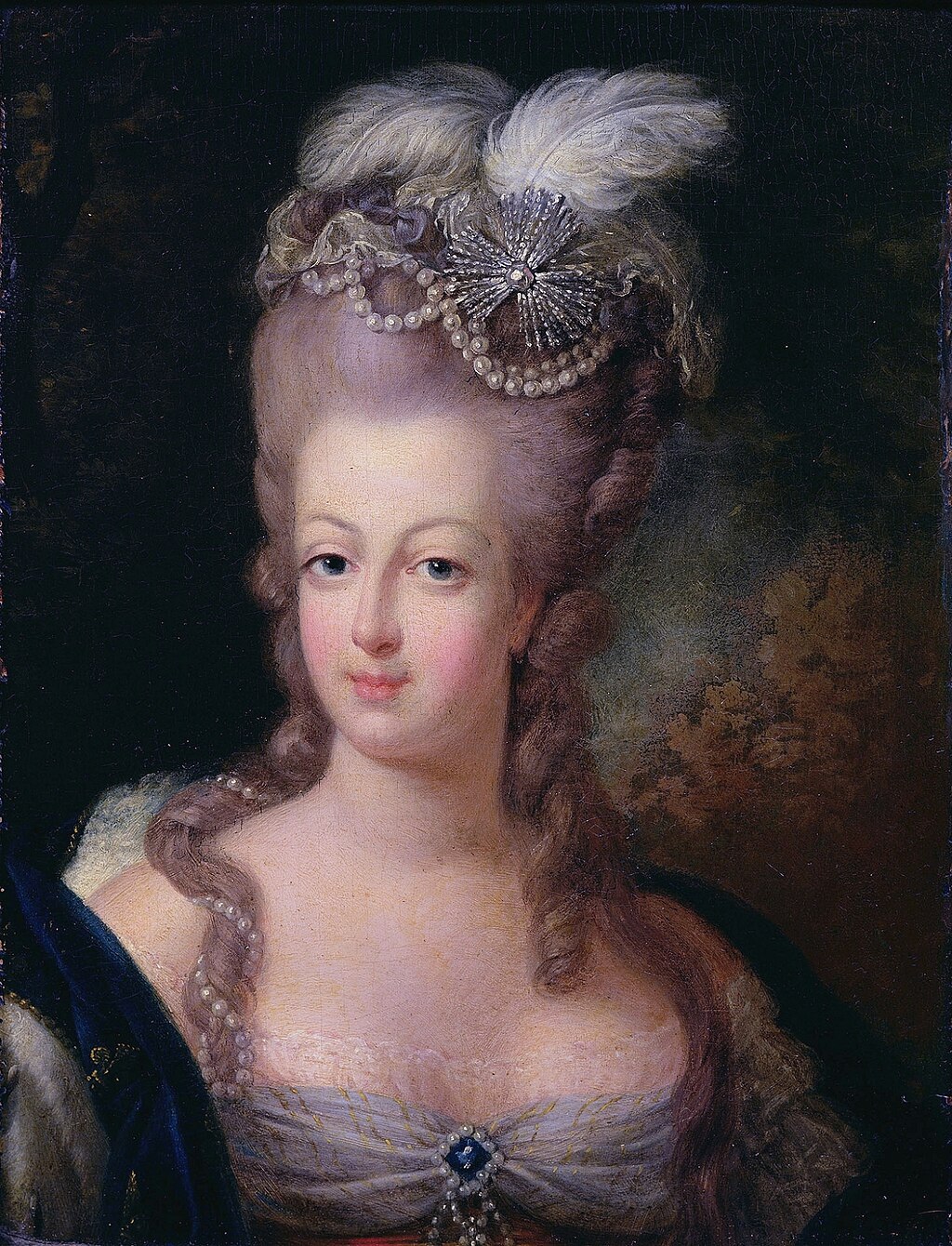
Few phrases in history have endured like “Let them eat cake.” The line, supposedly uttered by Marie-Antoinette as her subjects starved, has long symbolized royal arrogance and the detachment of the powerful from the poor. Yet historians agree the French queen likely never said it, and she wasn’t the first to be accused. Over the centuries, several women of privilege have been linked to variations of the same story. Here’s how the world’s most infamous quote traveled through time via a surprising cast of royal women.
A First Mention in a Folktale

The “Let them eat cake” story evolved into a universal symbol of privilege disconnected from reality long ago. Early versions of a high-ranking character oblivious to reality and wondering about sweet bread showed up in folktales before Marie-Antoinette was born. For example, one tale appeared in 16th-century Germany, in which a noblewoman asked why poor people didn’t eat sweet bread when they were hungry. Folklorists believe such tales endure because they express public frustration with leaders who seem blind to suffering.
First to Be Blamed: Marie-Thérèse of Spain

Pork and chicken pate en croute at Philip Krajeck’s new restaurant, Junior, Monday, Aug. 11, 2025, in Nashville, Tenn.
ImagnLong before Marie-Antoinette, another queen was blamed for the same out-of-touch remark. Marie-Thérèse of Spain, wife of King Louis XIV, allegedly responded to reports of famine by saying the French poor should eat “la croûte de pâté,” which essentially means the crust of a meat pie. However, it’s unclear whether Marie-Thérèse really uttered those words.
The Aunts of Louis XVI Were Accused, Too

An assortment of pastries are served at La Purisima Bakery in Glendale on Sept. 10, 2025.
ImagnIn the 18th century, the infamous “cake” line resurfaced, this time directed at two of Louis XVI’s royal aunts. Notice how everyone accused of this line is a powerful or privileged woman.
The “Great Princess” in Rousseau’s Confessions

The cracked pepper brioche feuilletee at Colette, in Over-the-Rhine.
Image
The English translation of the famous phrase uses the word “cake,” but the French phrase may not have involved cake at all. The phrase that Marie-Antoinette was accused of saying was “Qu’ils mangent de la brioche,” which actually appeared in a text from philosopher Jean-Jacques Rousseau. The first known appearance of that phrase in writing was in his 1767 book, Confessions, and he claimed that “a great princess” said it. He doesn’t name this princess, however, and his vagueness may have led revolutionaries to equate this princess with Marie-Antoinette.
However, Marie-Antoinette was only a child in Austria in 1767, so she couldn’t have been that “great princess” (even though she was still a princess). Rousseau’s “princess” could have been symbolic; some think it may have referred to Marie-Thérèse. Again, though, there’s no conclusive evidence that a princess uttered this phrase. Even if it was a fictional example of privilege and ignorance used to critique social inequality, his words gave the story literary weight, ensuring it would be remembered and eventually misattributed to a very real queen decades later.
Marie-Antoinette Likely Never Said It

The quote would have been perfect propaganda for revolutionaries eager to vilify Marie-Antoinette. She was an Austrian-born queen who many viewed as extravagant and aloof. “Let them eat cake” would have captured everything they wanted the public to believe about her.
Yet historians like Lady Antonia Fraser note that Marie-Antoinette supported orphanages and charities and showed empathy for the poor. What’s more is that no written evidence of revolutionary use exists. None of the pamphlets or other writings that the revolutionaries produced contain the quote. The earliest known connection between Marie-Antoinette and the quote didn’t appear until 1843, more than 50 years after her death. That link was from a writer who claimed that he found the quote in a book from 1760. He went on to state that this meant Marie-Antoinette couldn’t have said it despite rumors that she had.
Sources: Britannica, History.com, The Atlantic



