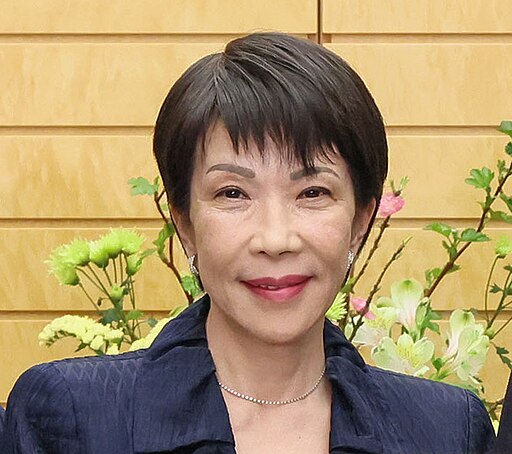
Japan’s ruling Liberal Democratic Party (LDP) will elect a new leader on Saturday, a contest that could make Sanae Takaichi the country’s first female prime minister. The vote comes at a pivotal moment for the party, which is reeling from corruption scandals, election losses and growing frustration among voters over rising costs of living.
Takaichi, 64, a conservative nationalist and longtime ally of former Prime Minister Shinzo Abe, is one of the frontrunners to replace outgoing leader Shigeru Ishiba. She faces competition from Agriculture Minister Shinjiro Koizumi, 44, and Cabinet Secretary Yoshimasa Hayashi, 64, among five total candidates. Although the LDP is still the largest bloc in parliament, it no longer holds outright majorities in either chamber, meaning the party’s next leader will need to work with opposition parties when parliament votes on a new prime minister in mid-October.
Takaichi is best known for her hard-line conservative views and close ties to Abe, Japan’s longest-serving leader, who was assassinated in 2022. She has said she models herself in part after Britain’s Margaret Thatcher, projecting what supporters see as strength and decisiveness.
If elected, Takaichi would not only break a historic gender barrier but also bring one of the most expansionist economic platforms in recent LDP history. She wants to double the size of Japan’s economy in only 10 years through massive government spending in areas like infrastructure and food security. While that approach appeals to grassroots party members eager for bold action, critics warn it could rattle investors in a country already carrying one of the world’s largest debt burdens.
Takaichi has also suggested she could revisit Japan’s $550 billion investment agreement with the United States, signed under Ishiba, if it proves unfair. The deal lowered U.S. tariffs in exchange for massive Japanese commitments, but the two countries have not yet agreed on what those commitments will look like. While her rivals Koizumi and Hayashi have defended the agreement, Takaichi has said Japan “must speak out firmly” if American practices are deemed one-sided.
Among LDP lawmakers, Koizumi currently leads in support, according to media surveys. But Takaichi is more popular with the party’s rank-and-file members, whose votes carry equal weight in the first round. However, if the race goes to a runoff, her advantage could change.
Her potential election would mark a turning point in Japanese politics, where women remain severely underrepresented. Takaichi has pledged to build a gender-balanced cabinet similar to those in Nordic countries, a bold promise in a system where only two women currently serve in Ishiba’s 20-member cabinet.
Whoever wins on Saturday will inherit a sluggish economy, strained relations with Washington and a restless electorate turning toward opposition parties, including a growing far-right movement. But Takaichi’s supporters believe her decisive style could revitalize a party seen as out of touch.
Sources: NBC News, The New York Times, Reuters