

Photographs of Women Airforce Service Pilots are seen in the hangar from beneath a wing at the National WASP WWII Museum in Sweetwater March 7, 2025.
World War II was not only fought on the battlefield but also in the shadows, on stages and in scientific laboratories. Several famous women used their celebrity, intelligence and skills to aid the Allied cause in unexpected ways. Their contributions challenged stereotypes and highlighted how artistry and science could be repurposed for war. Figures such as Marlene Dietrich, Josephine Baker, Audrey Hepburn, Hedy Lamarr and Julia Child reveal the many ways women helped guide the Allied forces to victory.
Marlene Dietrich Recorded Propaganda to Demoralize Nazi Troops

German-born actress Marlene Dietrich defied the Nazis and became a U.S. citizen in 1939. Refusing to return to Germany, she instead volunteered her voice for the Allied cause. Through the Office of Strategic Services’ Morale Operations unit, she recorded anti-Nazi propaganda and German-language songs designed to demoralize enemy troops.
Declassified documents show she offered her services to U.S. intelligence, even as the FBI investigated her for alleged spying. After the war, she was awarded the Medal of Freedom, underscoring her lifelong commitment to fighting authoritarianism with both artistry and bravery.
Josephine Baker Used Her Celebrity to Gather Intelligence

American-born French entertainer Josephine Baker turned her international fame into a powerful tool for espionage. As a performer traveling across Europe and North Africa, she smuggled sensitive information for the French Resistance, sometimes written in invisible ink on sheet music or hidden within her costumes. At embassy receptions and parties, Baker leveraged her celebrity status to gather intelligence from unsuspecting diplomats and military officers.
Her tours gave her access to countries where others might have been stopped at borders, allowing her to carry notes and photographs in diplomatic pouches. After the war, she was awarded the Croix de Guerre and the Legion of Honor. Baker’s double life as both a glamorous star and a clandestine agent made her one of the most effective and celebrated spies of the era.
Audrey Hepburn Joined the Dutch Resistance

Eliza Doolittle (Audrey Hepburn) and Prof. Henry Higgins (Rex Harrison) check out the competition at Ascot in a scene from “My Fair Lady.” My Fair Lady
Before becoming a Hollywood icon, Audrey Hepburn endured the harsh Nazi occupation of the Netherlands as a teenager. She witnessed famine and repression but also found ways to resist. Hepburn reportedly carried secret messages and newspapers for the Dutch underground, relying on her youth and inconspicuousness to avoid suspicion. She also performed in clandestine dance recitals, where proceeds were funneled to support resistance activities. Though her contributions were small compared to professional agents, they exemplified the civilian bravery that sustained resistance movements.
Hedy Lamarr Invented a Method for Secure Communications

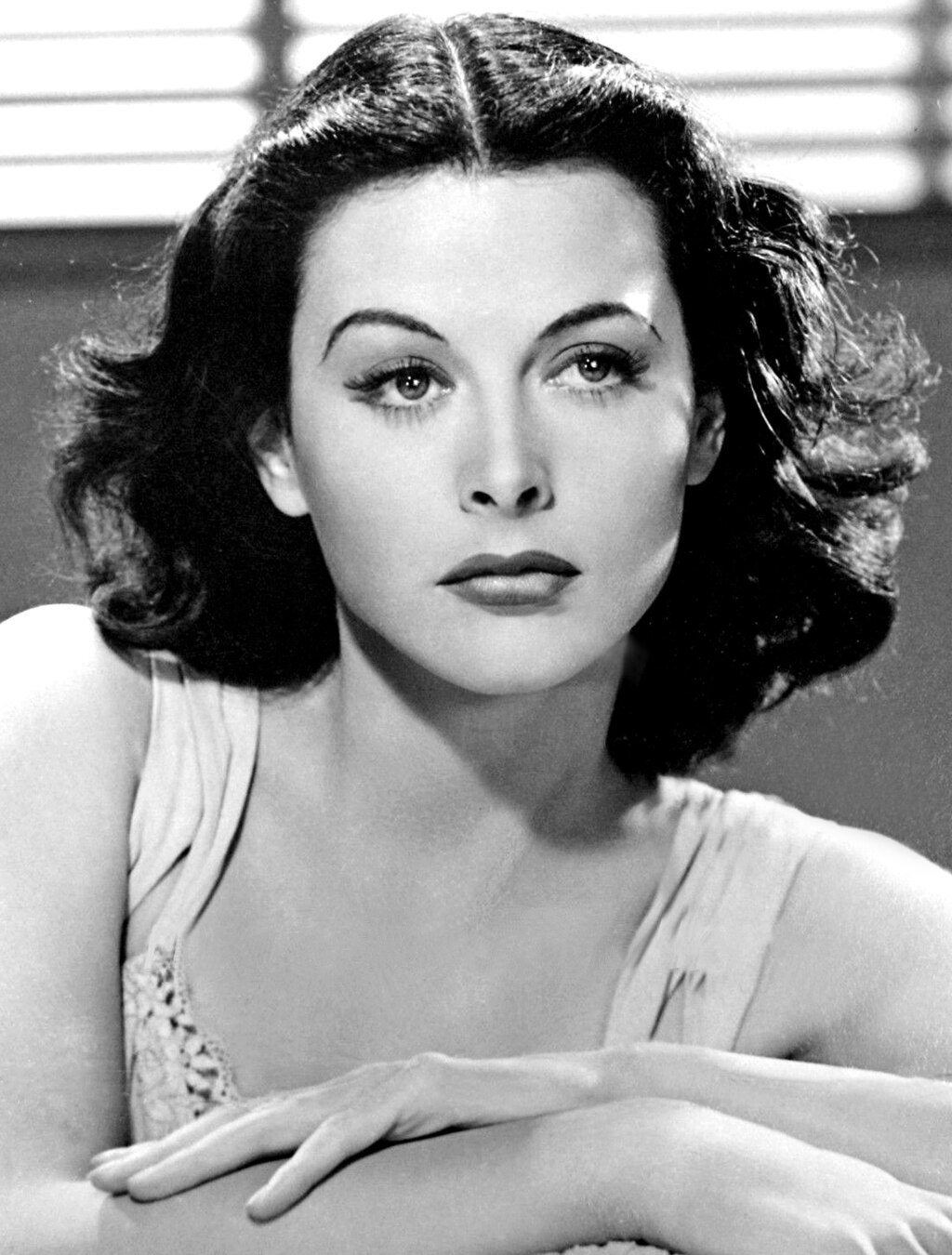
While Marlene Dietrich and Josephine Baker used their voices, Austrian-born MGM actress Hedy Lamarr applied her intellect. In 1942, Lamarr and composer George Antheil patented a “secret communication system” that used frequency-hopping technology to prevent enemy forces from jamming the controls for Allied torpedoes. Though the invention was not implemented during the war, it laid the groundwork for later developments in spread-spectrum communications, forming the basis for modern technologies such as Wi-Fi, Bluetooth and GPS.
Lamarr donated much of her time and resources to the war effort, but her scientific achievements went unrecognized for decades due to Hollywood’s focus on her beauty. Today, she is celebrated not only as a screen siren but also as a pioneering innovator whose wartime invention helped shape the digital age.
Julia Child Was an OSS Problem-Solver Who Worked on Shark Repellent

October 6, 1975; Hackensack, NJ, USA; Celebrity chef Julia Child blew a circuit during her demonstration at the Bloomingdale’s department store in Hackensack, N.J., on October 6, 1975, but she nevertheless conducted her cooking instruction with aplomb. Mandatory Credit: Al Paglione-USA TODAY NETWORK
Before becoming America’s most famous TV chef, Julia Child worked for the Office of Strategic Services. She served in Washington, D.C., Ceylon (now Sri Lanka) and China, handling classified documents and supporting field agents. Her most unusual wartime contribution came when she helped develop a shark repellent designed to protect downed aviators from shark attacks.
Child’s administrative and scientific support roles highlight that wartime contributions were not limited to those on the front lines or in covert missions. Success also depended on logistical and technical ingenuity.
Sources: International Spy Museum (Dietrich), The Guardian, International Spy Museum, National WWII Museum (Baker), History, BBC, Military.com, National WWII Museum (Lamarr), National Women’s History Museum, National WWII Museum (Child), CIA



