
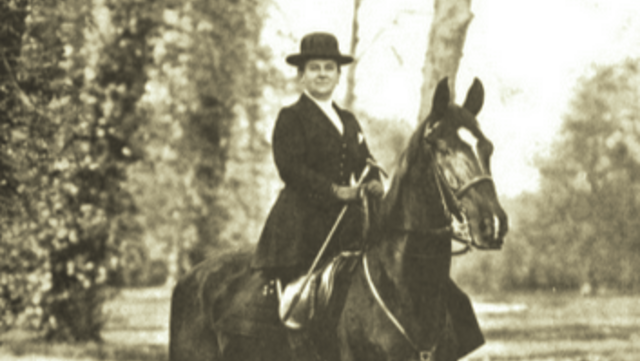

In the annals of history, Queen Wilhelmina of the Netherlands stands out not just for her reign but also for her remarkable financial acumen. As the first female billionaire, her story is one of resilience, shrewd investment, and a deep commitment to her country. This blog post delves into the life and legacy of Queen Wilhelmina, exploring how she became a financial powerhouse and her lasting impact on the Netherlands and the world.
Early Life and Ascension to the Throne

Born on August 31, 1880, Wilhelmina Helena Pauline Maria was the only child of King William III and his second wife, Queen Emma. She ascended to the throne at the tender age of 10, following her father’s death in 1890. Due to her young age, her mother, Queen Emma, acted as regent until Wilhelmina reached maturity in 1898.
During her regency, Queen Emma ensured that Wilhelmina received a robust education, preparing her for the responsibilities of queenship. Wilhelmina was trained in statecraft, history, and multiple languages, equipping her with the skills needed to navigate the complex world of international politics and economics.
Financial Acumen and Investments

Queen Wilhelmina’s financial acumen was evident early in her reign. She inherited significant wealth, but it was her strategic investments that truly set her apart. Wilhelmina invested in various industries, including oil, which proved to be particularly lucrative. Her stake in the Royal Dutch Petroleum Company, which later became part of Royal Dutch Shell, significantly boosted her wealth.
In addition to her investments in oil, Queen Wilhelmina diversified her portfolio to include real estate, banking, and other industrial ventures. Her diversified investments provided financial stability and growth, making her one of the wealthiest individuals of her time.
Reign and Leadership

Queen Wilhelmina’s reign, lasting from 1890 to 1948, spanned significant events in world history, including both World Wars. Her leadership during these turbulent times was marked by resilience and a steadfast commitment to her country. She became a symbol of national unity and resistance, particularly during World War II, when she led the Dutch government-in-exile from London.
Beyond her financial success, Queen Wilhelmina used her influence to advocate for the welfare of her people. She was deeply involved in social issues and worked to improve conditions for the poor and vulnerable in Dutch society. Her philanthropic efforts and advocacy for social justice left a lasting legacy in the Netherlands.
The First Female Billionaire

By the mid-20th century, Queen Wilhelmina had amassed a fortune that made her the first female billionaire. Her wealth was not merely a product of inheritance but a result of astute financial decisions and a forward-thinking investment strategy. Her success as a financier was groundbreaking, setting a precedent for women in business and finance.
Queen Wilhelmina’s legacy extends beyond her financial achievements. She demonstrated that women could excel in fields traditionally dominated by men, inspiring future generations of female leaders and entrepreneurs. Her financial prowess and leadership skills have been studied and admired, highlighting the importance of strategic thinking and diversification in wealth management.
Final Thoughts

Queen Wilhelmina’s life is a testament to the power of resilience, intelligence, and strategic investment. As the first female billionaire, she broke barriers and set new standards for what women could achieve in both governance and finance. Her legacy as a symbol of national unity, a shrewd investor, and a dedicated leader continues to inspire and influence. Queen Wilhelmina’s story serves as a powerful reminder that with determination and foresight, individuals can achieve greatness and leave a lasting impact on the world.



