
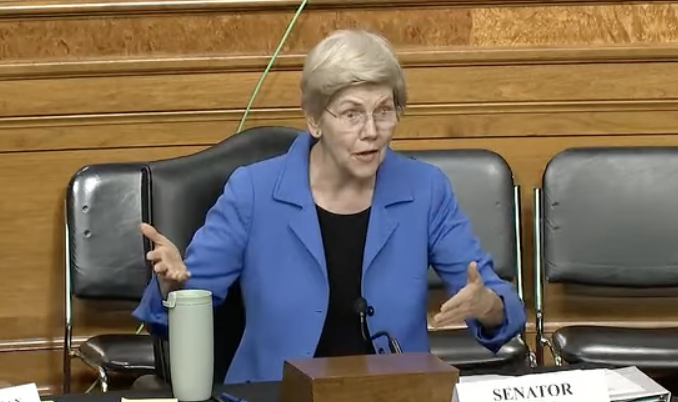
U.S. Sen. Elizabeth Warren used a Capitol Hill “spotlight forum” to caution major media corporations against, in her words, “bending a knee” to President Trump in exchange for regulatory approvals or other benefits. Her remarks came during questioning of witnesses about alleged misuse of government authority to pressure outlets and restrict First Amendment–protected speech.
What prompted the warning
Warren cited a string of recent episodes: late-night programs temporarily pulled from air, decisions that were later reversed after public pushback, and corporate donations to Trump’s presidential library. She argued the pattern suggested large companies—some pursuing mergers—were sensitive to criticism from Trump and Federal Communications Commission (FCC) Chairman Brendan Carr. While the individual incidents differed, Warren said the common thread was companies seeking government sign-offs while facing political pressure.
The legal frame she raised
To underscore her point, Warren walked through federal anti-bribery statutes, which hinge on two elements: an “official act” by a public official and a “thing of value” offered to influence that act. She asked FCC Commissioner Gomez whether approving a large media merger qualifies as an official act; he answered yes. Turning to the other half of the equation, Warren asked free-speech scholar Mr. Gaffne whether removing comedians critical of Trump would constitute a “thing of value” to political actors; he said it would—if not monetary, then of clear political value.
Testimony on alleged pressure
Warren highlighted a podcast appearance in which, she said, Chairman Carr told companies airing a critical late-night show that they could “take action” on the program or face “additional work” at the FCC, phrased as “the easy way or the hard way.” Asked whether he had seen similar statements from an American telecommunications regulator, Gaffne called the situation “truly unprecedented,” arguing that silencing critical media removes an accountability mechanism and shrinks civic space for opposition—a dynamic studied in other countries.
Public pushback and ongoing concerns
Warren noted that public pressure has, at times, changed outcomes—some program blackouts were reversed following outcry. But she contended the broader risks remain: continued attempts to lean on CEOs, the market power of a few large media firms, and the temptation to self-censor to smooth regulatory paths or secure government benefits. Her closing message was twofold: keep scrutiny on government officials who exert pressure, and on companies that preemptively curtail voices they host while seeking to “get even bigger.”
Why it matters
The exchange spotlights a long-running tension at the intersection of free expression, media consolidation, and regulatory power. Warren’s critics may dispute her characterizations; supporters will see a needed check on both government overreach and corporate influence. Either way, the forum underscored rising anxiety about how political pressure—real or perceived—can shape what Americans see and hear, just as the industry pursues consequential mergers that depend on government approval.
Source: Senator Elizabeth Warren



