

When the Taliban stormed back into power in 2021, Afghan women lost almost everything they had fought to build: schools that welcomed them, workplaces that hired them, and even the chance to publish and teach their own ideas. What remained was the internet—a fragile tether to the wider world, a place where girls could still learn, work, and imagine futures larger than the narrow confines imposed on them. That tether has now been severed.
Total Blackout

This week, Afghanistan entered what watchdogs are calling a total internet blackout, an indefinite shutdown that has cut off millions from basic communication, education, and commerce, a move following weeks of rolling disruptions in various provinces, which the Taliban claimed were necessary to curb “immorality.” By Tuesday, those fears of a complete shutdown became reality, plunging the country into near silence.
Online Learning Was Their Last Refuge

An Afghan woman, who is not revealing her name for her families’ safety still in Afghanistan, talks to her 7-year-old daughter at the Lutheran Social Services of the Southwest office in Phoenix on Sept. 16, 2021. The woman, her husband and their daughter, who are green card holders and have been living in Phoenix since 2016, were visiting family in Afghanistan when the Taliban took control of the country. Rep. Ruben Gallego, D-Ariz, and his staff helped the family get out of Afghanistan. Rep Ruben Gallego D Ariz Afghanistan
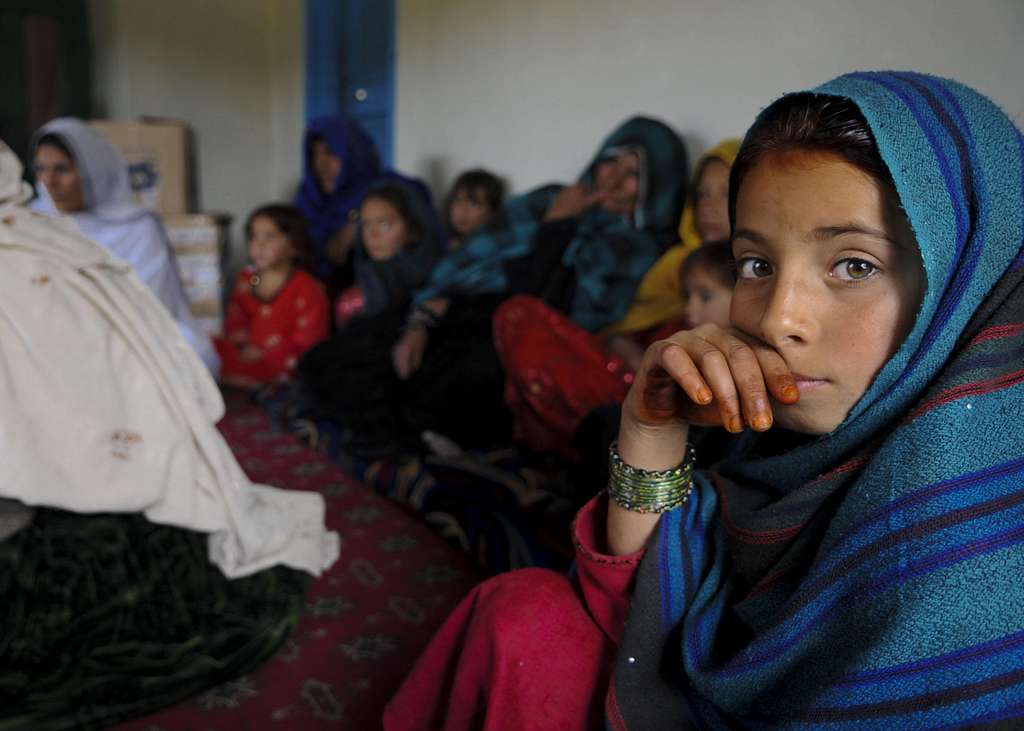
Since 2021, girls older than 12 have been banned from formal schooling. Entire programs in medicine, law, and science—many already starved of resources—were shuttered to women. Earlier this month, even textbooks authored by women were purged from university libraries, part of a sweeping campaign that also outlawed courses on human rights and harassment prevention. With physical spaces closed to them, online classrooms had become the last refuge. Now even that is gone. Students who once studied midwifery, English, or law through online programs say they are stranded. In eastern provinces, sisters who had dreamed of finishing their degrees together now sit at home, idle and anxious. In the north, young women describe the blackout as the moment the “world went dark,” cutting them off not only from lessons but from the sense of possibility that logging on once gave them.
Education For Women in Afghanistan Could Be Over Forever

Teachers have been hit just as hard. For many, online platforms offered the only way to make a living after restrictions closed private institutes. One English instructor recalled the heartbreak of watching dozens of his students—men and women preparing for international exams—suddenly lose access mid-test. With no exam centers left in the country, their months of preparation collapsed in an instant. For his female students in particular, there is no alternative. Their education has effectively ended.
The Economic Toll is Devastating

The economic toll is already showing. Traders who once relied on email and digital transactions report that their businesses have been gutted almost overnight. Families who could barely afford data plans in the first place now face impossible costs or no connectivity at all. Afghanistan’s per capita income, which hovered just above $300 last year, makes internet access a luxury most can’t sustain without broader infrastructure. The Taliban have offered no clear explanation, only vague promises that some alternative system might emerge. Until then, Afghans are left improvising in a void. For women, the sense of abandonment runs especially deep. After the bans on school, after the job restrictions, after the censorship, the internet had been the last tool to carve out dignity and self-determination. With that gone, what remains is despair.
A Hopeless Situation

Parents describe daughters crying through the night, terrified that their last chance to study has been erased. Teachers field desperate calls from students asking what they should do next, when in truth there is no answer. Even those trying to provide for their families confess that their businesses have collapsed without connectivity. The shutdown has stripped Afghan women not only of education, but of the small measure of freedom that came from being able to choose what to learn, who to talk to, and how to imagine their futures. For many, it was their last hope. And now, that hope has been cut at the root.



