
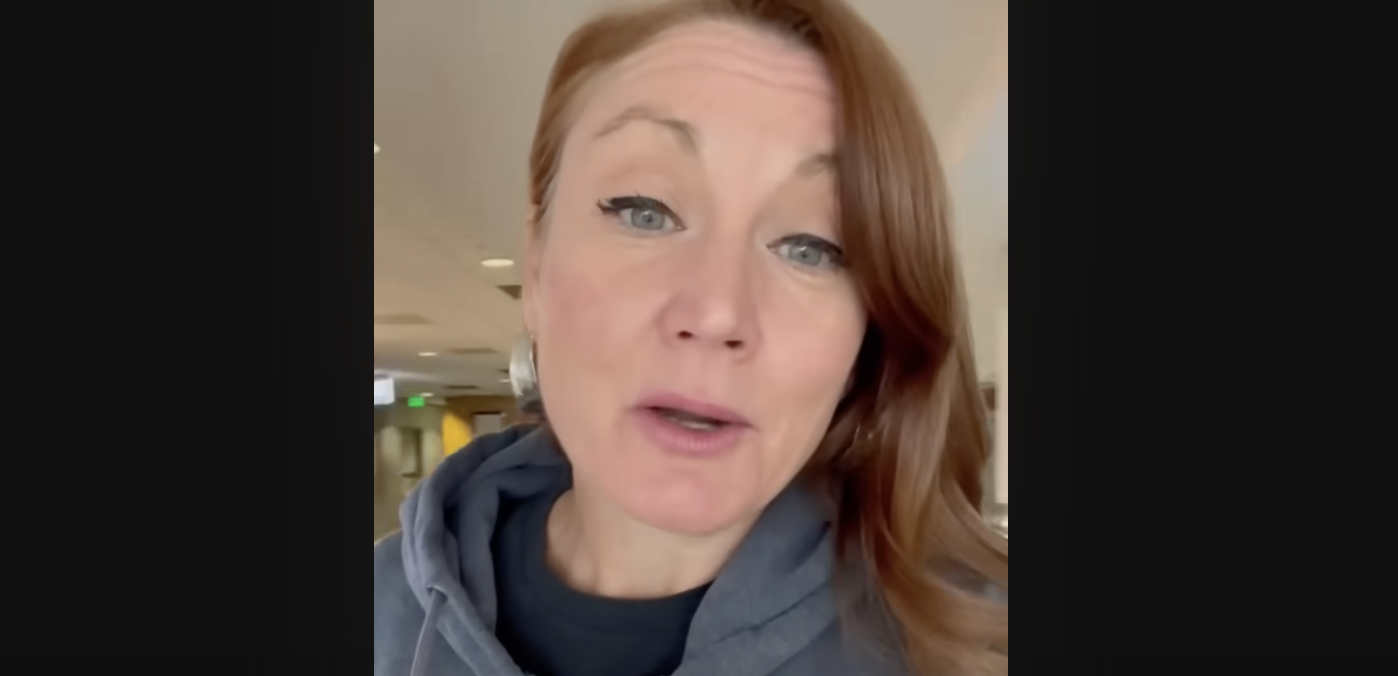
With roughly a day and a half left before the federal fiscal year ends, Rep. Melanie Stansbury said a government shutdown now looks likely—and she places the blame on canceled House votes and a breakdown in negotiations. Speaking while en route to Washington, D.C., she outlined what she sees as the causes, the mechanics, and the human impact if funding lapses.
Why She Says a Shutdown Is Likely
Stansbury asserts that the “president and the Republican-controlled Congress” have not advanced a workable budget and that House GOP leaders canceled votes and told members not to travel to Washington. According to her, Democrats in the House and Senate were traveling back to vote while many Republicans were “nowhere to be found,” which she argues makes timely negotiations impractical. She added that, although a leadership meeting was briefly floated, she saw “no reversal” in the majority’s position.
What a Shutdown Means
A shutdown occurs when Congress and the president do not enact full-year appropriations or a stopgap continuing resolution by the deadline. Stansbury explains that agencies experiencing a lapse in funding must pause non-excepted operations, furlough many workers, and curtail public-facing services. Essential functions (for example, certain national security and public safety roles) continue, but personnel often do so without immediate pay until funding resumes.
Claims About Firings and Policy Fights
Stansbury also raises concerns about federal workforce stability. She says the Office of Management (she references the “OM director”) has indicated plans to use a shutdown to justify “mass firings,” linking the idea to “Project 2025.” She compares this to an earlier effort she says courts found unlawful, noting that some dismissed federal workers were recently rehired. In addition, she alleges the president has been preoccupied with pressuring institutions and shielding certain records—claims she offers as context for why, in her view, basic governing tasks have stalled. (These are Stansbury’s characterizations; other parties may dispute them.)
Who’s Affected
Stansbury emphasizes the ripple effects: federal employees and contractors facing furloughs or delayed pay, families managing uncertainty, and communities that depend on federal services. She warns of economic drag from reduced consumer spending by affected workers and from delayed grants, permits, and reimbursements.
What’s Next
Stansbury says she and other Democrats are returning “to fight the good fight,” push for bipartisan talks, and keep the public informed “minute by minute.” Her bottom line is pragmatic: without members physically present to vote and a willingness to negotiate a bridge funding bill, the calendar alone could tip the government into a shutdown—even before policy differences are resolved.
Source: Congresswoman Melanie Stansbury



