
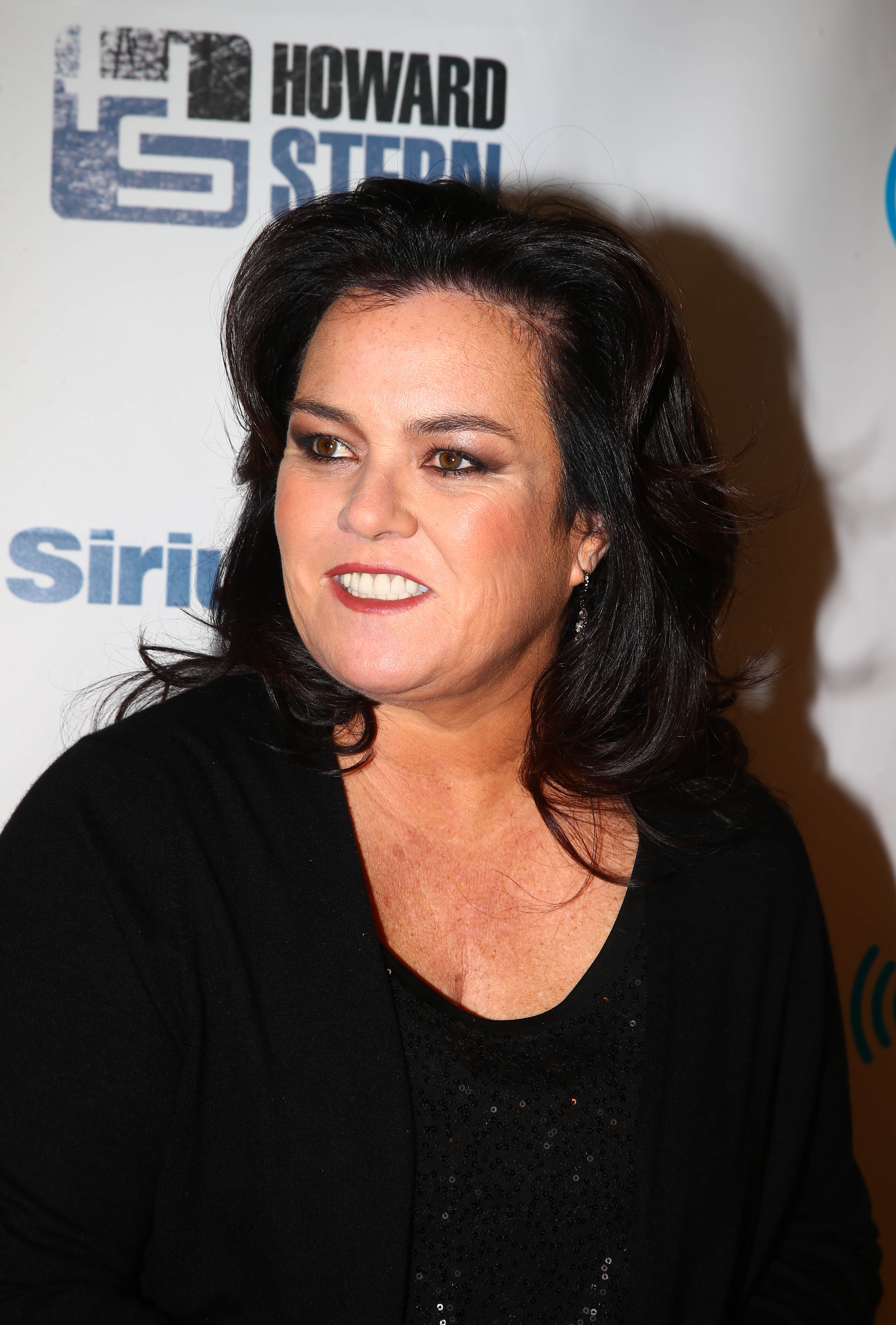
For nearly two decades, Rosie O’Donnell and Donald Trump have circled each other in one of America’s strangest and most public celebrity feuds. In a new, candid conversation with MSNBC’s Nicolle Wallace, O’Donnell made clear that what has kept her locked into that clash is not just politics or television theatrics, but something far more personal: the fight to hold on to her own well-being.
Speaking from Ireland, where she moved earlier this year, O’Donnell described the relocation not as both a political statement and an act of survival. She said the first Trump presidency left her reeling emotionally and physically and with the possibility of another four years looming, she made the choice to leave.
“I came here out of self-preservation,” she told Wallace. “I knew how badly I did during his first term, and I knew now that I had a daughter about to be 12. I needed to be present, awake, aware for those years. They’re not easy—and they’re not easy when you’re 63.”
Trump still looms in O’Donnell’s story—his fixation with her during campaign rallies, his insults on national television. Yet she insisted she has never truly “known” him. Their only conversation, she said, lasted less than five minutes. To her, his obsession is less about her as an individual and more about what she represents: a tough New York woman who refused to play along. “I think he is very upset that I, a girl who reminds him of all the tough girls in his neighborhood who never fell for his act, knew who he was,” she said.
In Ireland, she has found something closer to peace. O’Donnell spoke warmly about a culture that treats her less as a celebrity and more as a neighbor, about her child attending a school free of brand-name uniforms, about strangers in pubs offering her a drink in solidarity with her critique of Trump. The distance, she suggested, has given her the clarity to create again—she is developing a one-woman show centered on mothering, grief, and resilience.
The feud may remain part of her biography, but O’Donnell insists her decision to leave the U.S. was not about Trump so much as it was about protecting the part of herself her daughter depends on. “I knew in order to save myself, I had to adjust my mask first before I could save my kids,” she said.
It was both a confession and a reminder: that political storms may rage in headlines, but at their core, they are felt in the intimate, private calculations of ordinary life.



