
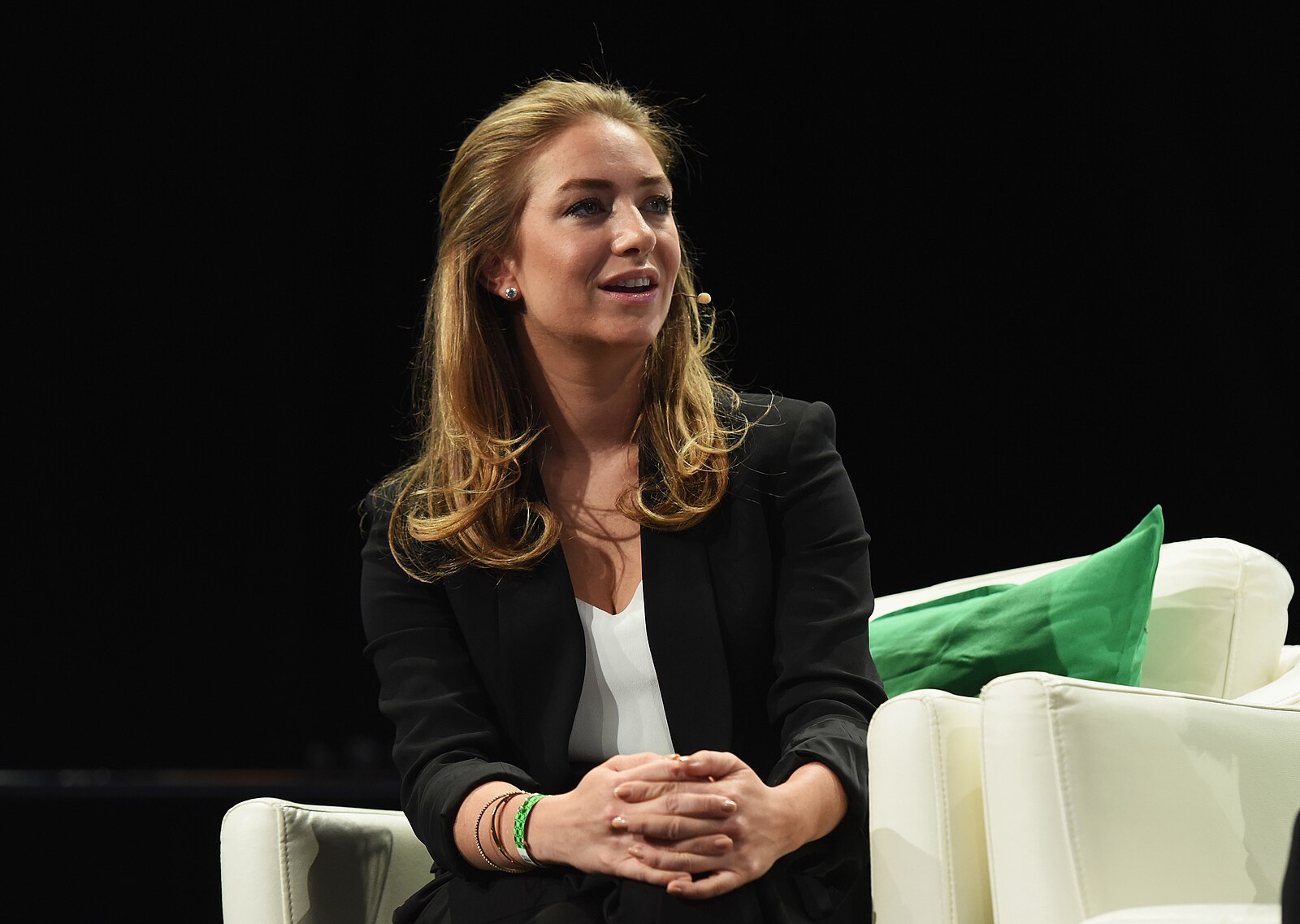

The new film Swiped is a sharp, behind-the-scenes look at the rise of dating apps and the woman who reshaped the industry. Lily James, who has built her reputation portraying figures like Cinderella and Pamela Anderson, now takes on the role of Whitney Wolfe Herd, co-founder of Tinder and the driving force behind Bumble. But while the movie is generating buzz in Hollywood and online, the real Wolfe Herd admits she never wanted it made in the first place.
Shut It Down

In recent interviews, Wolfe Herd said she first learned of the project after it was already in motion. “I was informed about this movie after it was already off to the races,” she told CNBC. “They had written the script, they were moving ahead, and I asked my lawyer, ‘What do I do? I don’t want a movie made about me. Shut it down.’ He told me there’s nothing I could do.” That sense of unease colors her relationship with the film. She’s quick to praise James — calling her a “very talented actress” and saying she’s flattered by the casting — but her discomfort with being portrayed on screen is plain. “I don’t know if I’m going to watch it,” she said. “I’m both terrified and maybe slightly flattered, but the strangeness and the fear outweigh any flattery.”
The Rise of Bumble

Apps for online dating on an iPhone
The movie dramatizes Wolfe Herd’s departure from Tinder and her vision for Bumble, the app that flipped the script on online dating by requiring women to make the first move. Bumble’s model gave women a measure of control — a built-in safeguard that reflected Wolfe Herd’s insistence that technology could be reshaped around respect rather than convenience.
Wolf Herd Made Dating Easier For Women With Bumble

Tips for winning dating in the digital era.
The results speak for themselves. Today Tinder has about 75 million active users, and Bumble claims 50 million. Bumble’s identity as the app that empowered women belongs squarely to Wolfe Herd. She turned personal frustration into a multibillion-dollar platform, becoming one of the youngest self-made female billionaires in the process. That’s part of why Swiped is complicated for her. She’s not a public figure in the same sense as a politician or celebrity — her influence has been wielded through ideas, products, and boardrooms. Seeing her story turned into entertainment blurs that line. She can’t stop the film from existing, but she can remind audiences that she didn’t choose it.
Wolf Herd Didn’t Expect to be a Public Figure

There’s also the broader question of how we tell stories about women in power. Wolfe Herd’s journey is both singular and familiar — a reminder of the gendered battles fought in tech and of how female executives are scrutinized in ways their male counterparts rarely are. Whether or not Wolfe Herd watches, Swiped will add another layer to her public image. She may not welcome it, but it underscores the reach of the revolution she helped start: one that changed not just how people date, but how women wield power in digital spaces.



