
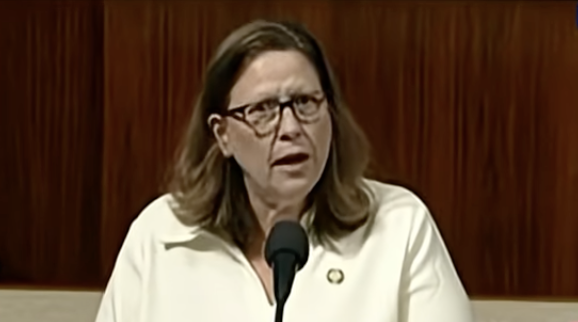
In a pointed address, Representative Julie Johnson raised alarms about what she calls a growing pattern of undermining science and evidence-based policymaking in the United States. Johnson’s remarks focused on the importance of protecting truth and research from political interference, warning that dismissing facts and replacing them with what she calls propaganda poses a danger not just to public health, but to democracy itself.
Johnson began by underscoring the role of science as a check on unchecked power. “Science is a search for truth,” she said, noting that the very nature of scientific inquiry—questioning assumptions and testing evidence—can clash with leaders who want total control over narratives. When that happens, she argued, science often becomes a target: mocked, defunded, or manipulated.
She pointed to recent examples of this pattern, citing President Donald Trump’s record. Johnson highlighted actions such as ridiculing climate scientists despite increasingly extreme weather, cutting billions in research funding, and dismantling key advisory boards that bring experts into government decision-making. She expressed particular concern about public health, referencing Trump’s appointment of vaccine skeptics to leadership roles and his promotion of unproven medical treatments.
Johnson also criticized the Trump administration’s 2026 budget proposal, saying it threatens critical programs supporting public health and medical research. Among those, she listed the Prevention and Public Health Fund, the Administration for Community Living, and research efforts like the Pediatric Brain Tumor Consortium—resources that she says directly impact the lives of vulnerable Americans, including children with cancer and older adults needing care.
According to Johnson, these moves aren’t random budget cuts but part of a broader strategy: weaken trust in scientists and experts, so that power becomes more centralized and dissenting voices are easier to silence. She linked this tactic to patterns seen under authoritarian regimes around the world, warning that when truth is eroded, the path is cleared for deeper abuses of power.
Her message was ultimately a call to action. Johnson urged Congress and the public to defend the role of evidence and expertise in shaping policy, insisting that safeguarding science is about more than data—it’s about protecting democratic norms. “When leaders can erase truth and rewrite reality,” she said, “they can justify anything.”
Her remarks reflected a broader push from some lawmakers to keep government decisions grounded in fact and research, even amid partisan divides.
Source: Congresswoman Julie Johnson



