
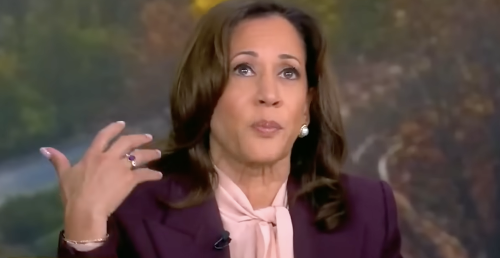
On her podcast, The Megyn Kelly Show, host Megyn Kelly sat down with political commentator Mark Halperin to unpack Vice President Kamala Harris’s recent appearance on The View. The discussion centered on Harris’s remarks about sexism and racism in American politics, her reflections on her past campaigns, and the broader way she frames her public narrative.
During the interview on The View, Harris responded to questions about whether race and gender played a role in her political challenges, saying she has often been “the first” in positions she’s held—whether as a woman, a person of color, or both. She acknowledged that bias exists and continues to influence how some voters perceive candidates. Harris also shared that her loss in a previous campaign felt like a period of grieving, comparing the pain to losing her mother.
Kelly and Halperin, however, expressed skepticism about Harris’s approach. Kelly criticized what she viewed as Harris’s tendency to emphasize identity milestones rather than performance, suggesting that voters might prefer candidates highlight their record of decision-making under pressure. Halperin added that while sexism and racism are real, Harris’s campaign difficulties also reflected organizational and leadership shortcomings. He argued that her limited campaign window of 107 days was not the only reason for her loss and suggested that responsibility lies in how the campaign itself was run.
The pair also noted Harris’s sharp rhetoric about President Donald Trump, whom she described as a “tyrant” comparable to authoritarian leaders. Kelly questioned whether such language helps or hinders public discourse, especially when Harris simultaneously supports figures and policies that critics label as extreme.
At one point, Harris’s description of her grief over Trump’s victory drew mixed responses. Kelly acknowledged that Harris may have genuinely feared for the country’s future but suggested it was equally possible that the loss was more personal than she let on. Halperin added that many within Harris’s own party privately wish she would take more responsibility for her political shortcomings rather than attributing them largely to external factors.
The conversation underscored broader debates in American politics: how candidates should address systemic issues like racism and sexism while also demonstrating accountability for their campaigns and leadership. It also highlighted the tension between personal narratives of identity and the expectations of voters who want clear, results-driven qualifications.
Kelly closed by reiterating her belief that Harris’s repeated emphasis on being “the first” may resonate with some audiences but risks alienating others who are looking for candidates to focus less on biography and more on governing competence.
Source: Megyn Kelly/YouTube



