
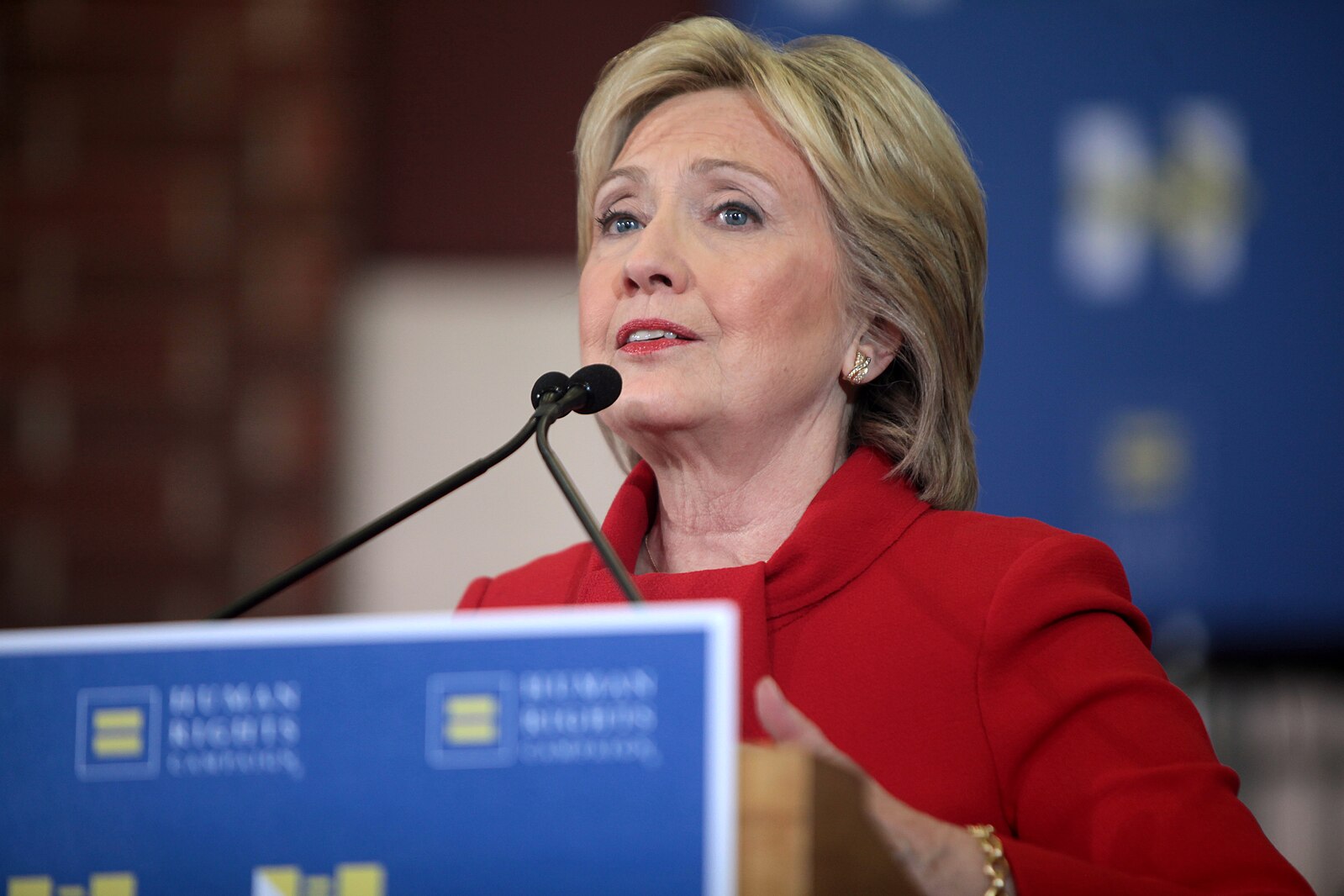
Hillary Clinton has never been one to mince words, and this week she took sharp aim at Robert F. Kennedy Jr., whose views on vaccines and public health have gained traction in the Trump era. In an appearance at the Clinton Global Initiative, the former secretary of state warned that Kennedy’s rhetoric wasn’t just fringe—it was dangerous, and could lead the country back to a time when life expectancy was far shorter and preventable diseases routinely claimed lives.
Clinton, who has long made health care a central issue, said the United States is at risk of dismantling decades of progress. “Somebody reminded me yesterday, you know, in 1800, the average life expectancy in this country was about 35. It got up to 47 in 1900. It is now 78,” she said. “When I hear people like Kennedy and others talking about getting back to a time when we aren’t vaccinating, when we’re drinking raw milk—people didn’t live. This is so crazy, so wrongheaded, so shortsighted, and it’s going to cause deaths.”
The broader concern she raised is about trust. Americans, she noted, are being pulled in different directions by political leaders who have elevated conspiracy theories or dismissed the expertise of doctors and researchers. “When your president says something, when a Kennedy who’s the Secretary of HHS says something, what are you supposed to believe?” Clinton asked. “People are confused, and too many Americans are listening to this very destructive, anti-science tirade.”
Clinton framed the issue not only as a political challenge but as a moral one. Public health advances—from vaccines to sanitation to modern medicine—were the product of deliberate, collective choices. Undoing that progress, she argued, isn’t just bad policy; it’s reckless with human life. She pointed to recent deaths from measles and whooping cough, illnesses that vaccines had once nearly eliminated. “It’s already costing lives,” she said flatly.
Her critique of Kennedy was also a reminder of her broader worldview: that American leadership, whether in foreign affairs or health policy, is rooted in facts and institutions, not individual personalities. “We have to test science. We have to hold pharmaceutical companies to high standards,” Clinton said. “But these guys literally want to turn the clock back.”
For Clinton, the stakes are clear. In an era when misinformation spreads faster than any vaccine, she sees the real danger not just in the fringe ideas themselves, but in the credibility they are being given by people in power. And she’s warning that unless Americans recommit to evidence-based policy, the country could find itself living with the ghosts of epidemics it thought it had long since defeated.



