
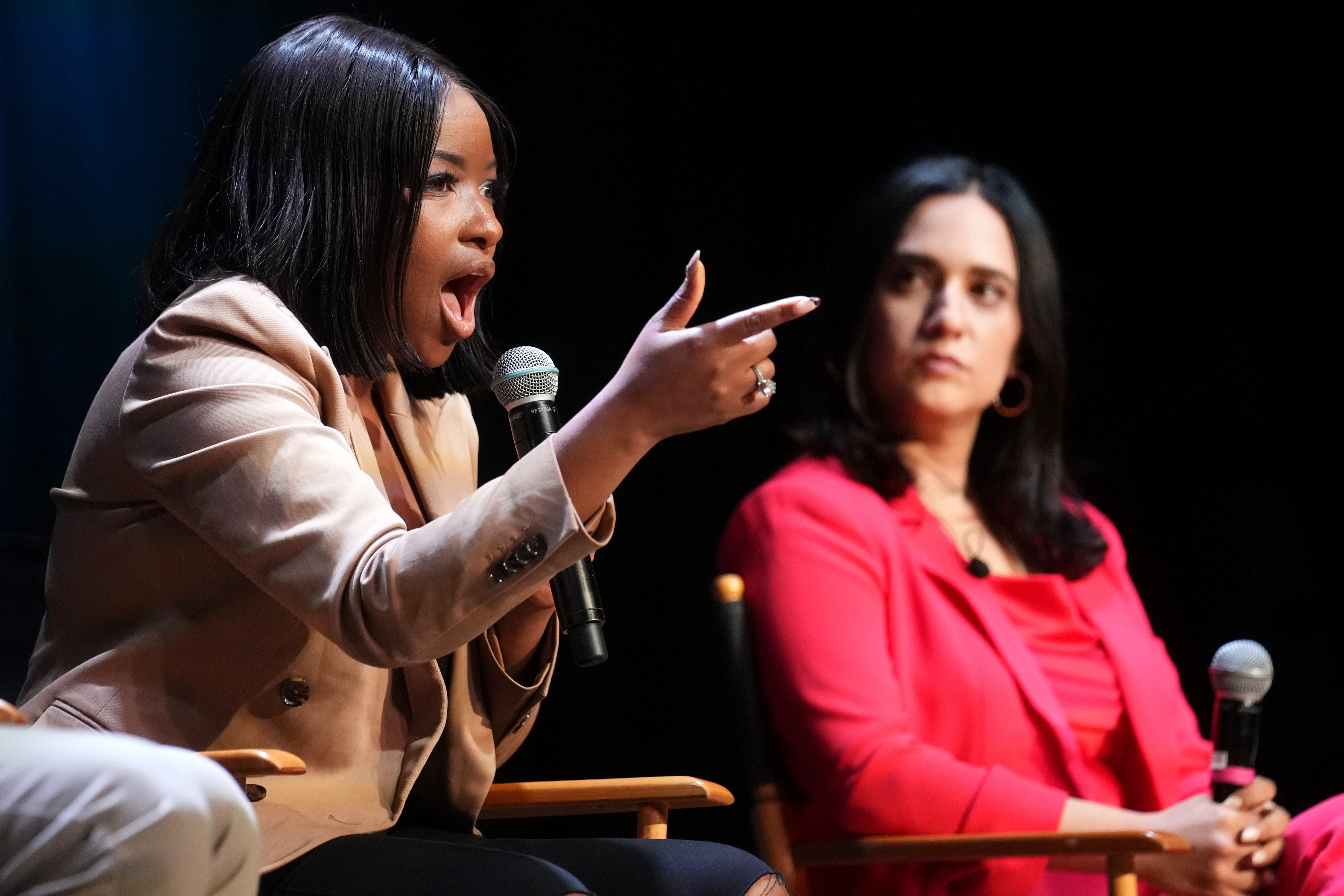
Congresswoman Jasmine Crockett of Texas is no stranger to sharp questioning. As a member of both the House Judiciary and Oversight Committees, she has made a habit of pressing for accountability where others would prefer silence. This week, she turned her attention to the Department of Justice under President Donald Trump, raising questions that cut straight to the heart of whether the administration is protecting its own.
At issue is a letter House Democrats sent to Attorney General Pam Bondi and FBI Director Christopher Wray, asking whether federal investigators possess video or audio evidence of former immigration official Tom Holman accepting $50,000 in bribes. “Do the DOJ and the FBI have video and audio recordings of Tom Holman accepting $50,000 in cash bribes? It certainly sounds like you do,” the letter begins. For Crockett, that line isn’t just a provocation—it’s a demand for clarity.
In an interview, she explained why the potential existence of a recording matters. “Seeing is believing,” Crockett said, pointing to the lingering disputes over what unfolded on January 6 as proof that clear evidence cuts through conspiracy. If Holman took the money, as some documents reportedly suggest, then the DOJ’s reluctance to move forward raises troubling questions about political protection.
Crockett contrasted the DOJ’s apparent hesitation with its focus on political opponents. “The attorney general seems more worried about prosecuting Tish James than cleaning up corruption in his own house,” she said, referring to New York Attorney General Letitia James, who has drawn the ire of Trump and his allies.
The Texas Democrat didn’t stop there. She outlined how conspiracy charges don’t depend on whether the underlying crime was completed but whether an agreement to commit it was made. In her telling, the administration’s own defenses may amount to quiet admissions. “They said he was entrapped. Entrapment is a defense—you only get to use it if you’ve committed the offense,” Crockett explained.
Crockett drew a parallel to Richard Nixon, noting that it wasn’t just Watergate itself but the attempted concealment that brought down a presidency. She suggested Trump’s DOJ is treading the same path, shielding insiders instead of pursuing the truth.
The allegations against Holman trace back to West Texas, where informants reportedly tipped off the FBI that he was “in business”—soliciting payments in exchange for promises of future influence. The bureau eventually staged a sting operation. That, Crockett argued, is why cries of entrapment ring hollow.
Beneath the legal wrangling lies something larger: a system of profit built on detention and contracts. Crockett recounted visits to border facilities where private contractors far outnumber federal employees. She warned that the real money wasn’t in policy debates but in who secured the lucrative contracts to house detainees—contracts she suggested flowed to Trump allies.
“Follow the money,” Crockett said, summing up her case. For her, the DOJ’s inaction isn’t simply about one man’s bribes but about a culture of looking the other way while the machinery of government enriches insiders. Whether her colleagues, or the public, will force the issue remains to be seen.



