
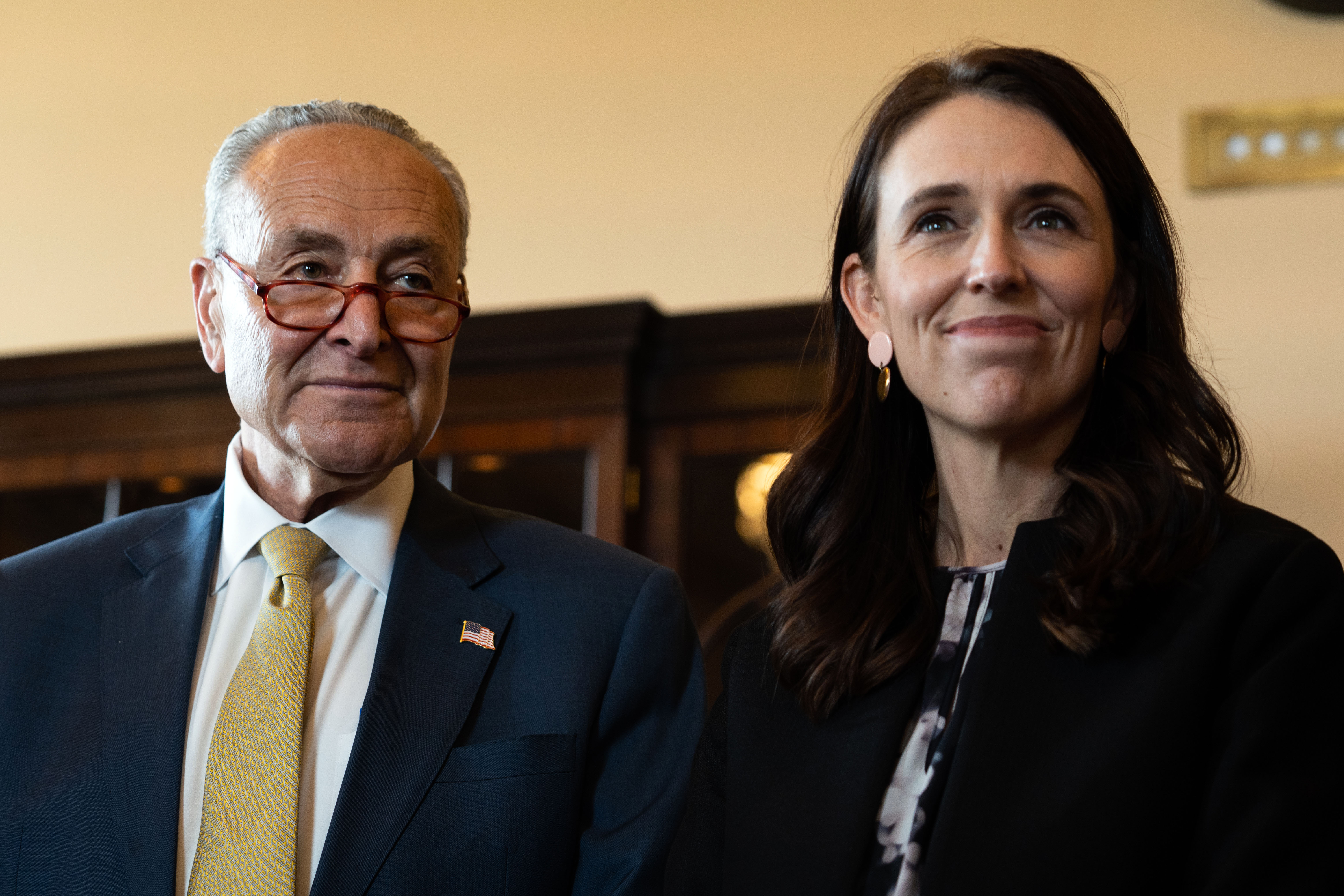
Former New Zealand Prime Minister Jacinda Ardern has been out of office for more than a year, but her departure still lingers as one of the most surprising political exits in recent memory. Ardern, who took office at just 37 and became one of the world’s youngest female heads of government, says she doesn’t regret stepping down — even if she occasionally misses the global platform that came with the role.
In an interview timed with the UN General Assembly in New York, Ardern reflected on what it means to walk away from power, why she made the choice, and how she thinks about leadership now that her career is no longer tethered to parliamentary chambers and campaign trails.
“If you go into politics because you care about the state of the world, then yes, you miss the platform,” she admitted. “But that doesn’t mean I regret my decision. I still believe it was the right thing to do.”
Her decision to resign in January 2023 shocked many New Zealanders, especially because she was still relatively young and electorally successful. But she framed her exit as an acknowledgment of limits. The responsibility of power, she explained, can weigh so heavily that once you step away, you feel the weight lift almost immediately. “It surprised me how quickly it left my shoulders,” she said.
The HBO documentary Prime Minister captures some of the intensity of her years in office, from the unexpected path that vaulted her into leadership with just seven weeks’ notice, to the personal and political pressures that came with being both a world leader and a new mother. Ardern was only the second sitting world leader to give birth while in office, and she has been frank about the constant guilt that working mothers carry. “Everybody feels guilty all of the time, even if you’re a world leader,” she said.
Now living in the United States, Ardern has turned her attention to broader questions about what leadership looks like in an age of division. She worries about what she calls “binary thinking” — the temptation to sort the world into good and evil camps, to dehumanize political opponents rather than recognize shared humanity. “We live in a time that is incredibly fraught,” she said, pointing to climate change, global conflict, and inequality as crises that demand cooperation. “All of them require us to have the ability to at least discuss and debate respectfully, remembering that despite diverse views, we do have a shared humanity.”
She has been particularly critical of leaders who use fear as a political weapon. For her, the better model comes from figures like Franklin Roosevelt, who faced enormous crises without scapegoating or inflaming division. “That’s the kind of leadership I spend a lot of time now supporting — amplifying politicians who choose not to weaponize fear and blame.”
Ardern insists she has no plans to return to politics, at least not soon, and says her former team doesn’t need her. Instead, she’s focused on “being useful” — through writing, speaking, and modeling a form of leadership rooted in empathy. Her latest book, Mom’s Busy Work, inspired by her daughter Neve’s words and antics during her time in office, is part of that effort.
“I’ll keep doing what feels useful,” she said. “And right now, talking about empathetic leadership feels like exactly that.”



