
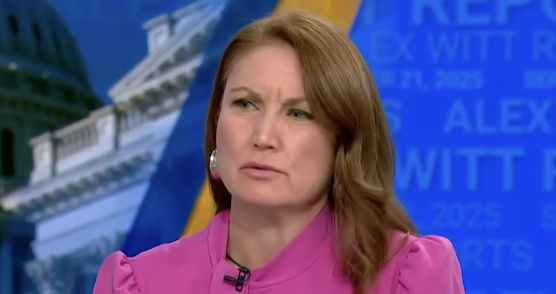
Representative Melanie Stansbury is pressing for transparency in the long-running controversy surrounding the Jeffrey Epstein case. In a recent interview, Stansbury described what she sees as a troubling pattern of missed opportunities, unanswered questions, and possible conflicts of interest that continue to obscure the truth about Epstein’s crimes and the legal system’s response.
At the center of her concerns is former Labor Secretary Alexander Acosta, who, as a U.S. Attorney in Florida, approved the 2008 plea deal that allowed Epstein to serve just over a year in jail on state charges. During that sentence, Epstein was granted broad work-release privileges, leading to allegations that he continued to exploit women even while technically incarcerated.
Stansbury noted that line prosecutors at the time had recommended pursuing federal charges against Epstein after evidence surfaced from at least 40 minors who accused him of sexual abuse. Instead, Acosta declined to move forward with federal prosecution. When pressed in recent questioning, Stansbury said Acosta often cited an internal Department of Justice review conducted in 2020—after his resignation from the Trump administration—as proof of his innocence, rather than directly addressing why he had chosen not to prosecute more aggressively.
“He has had 20 years to practice his answers,” Stansbury said, but she argued his testimony still left glaring inconsistencies. She expressed disbelief that someone in his position could review such disturbing allegations and show so little remorse decades later.
Concerns also extend beyond prosecutorial decisions. Stansbury pointed out that Acosta was accompanied by an attorney with ties to both Palm Beach legal circles and past political figures, raising questions about ongoing political or personal influence. She suggested that Acosta’s later pursuit of a high-profile political appointment might have been connected, at least in appearance, to the leniency Epstein received.
The congresswoman framed the broader issue as one of accountability. She emphasized that the Epstein case is not just about one man’s crimes, but about systemic failures that allowed abuse to continue. “This is trauma that was perpetuated by failures of our government,” she said, stressing that secrecy around Epstein’s files and networks only compounds the harm.
For Stansbury, the matter remains unfinished. She pledged that she and her colleagues would “get to the bottom of the cover-up,” whether it involved negligence, outside pressure, or undisclosed relationships. While the full truth may take time to uncover, she argued that persistence is necessary—not only for the victims whose voices were ignored, but for public trust in the justice system.
Source: Congresswoman Melanie Stansbury



