
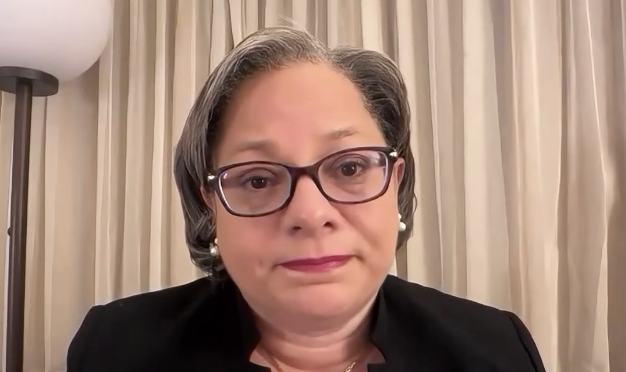
Congresswoman Jennifer McClellan shared her concerns about proposed Medicaid cuts and their potential impact on families, hospitals, and communities across the state. Drawing from her own legislative experience in Virginia, McClellan argued that the proposed changes would make health care less affordable and less accessible for millions of Americans.
McClellan began by recalling a 26-hour committee hearing on what she referred to as the “big ugly bill.” She noted that while the bill’s supporters framed it as a measure to improve the health care system, it did not address the root causes of rising costs in medical care, energy, or groceries. Instead, she said, it added paperwork requirements that have historically caused people to lose their coverage.
According to McClellan, the bill’s cuts to Medicaid could threaten the stability of hospitals statewide—rural, suburban, and urban alike. She emphasized her role in helping expand Medicaid in Virginia and creating the state’s health care exchange, pointing out that those policies lowered costs by reducing the number of uninsured patients. “The more people who have access to health insurance,” she said, “the more likely they are to get care before it becomes too serious or too expensive.”
McClellan highlighted that millions could lose insurance under the proposed changes. Without coverage, she explained, people often delay treatment until they end up in emergency rooms, where costs are significantly higher. When those bills go unpaid, the financial burden shifts to taxpayers and hospitals.
She also shared stories from her travels across Virginia, including a visit to a dental clinic in Abingdon where 80 percent of patients rely on Medicaid. Before that clinic opened, many in the area had to wait for an annual temporary clinic to receive even basic dental care. Now, the clinic worries about staying open if patients lose coverage.
Beyond health care, McClellan warned that the legislation also cuts into food assistance programs, affecting the same communities that would lose Medicaid coverage. She described how reductions in Supplemental Nutrition Assistance Program (SNAP) benefits could worsen food deserts, particularly in rural areas where grocery stores rely heavily on these programs.
McClellan also questioned what she saw as a disconnect between the administration’s stated goal of improving national health outcomes and congressional proposals that she said would have the opposite effect. She noted that Secretary of Health Robert F. Kennedy Jr. had spoken about making America healthier, but the cuts to Medicaid, the Affordable Care Act’s premium subsidies, and food programs, in her view, undercut that vision.
In closing, McClellan aligned herself with Democratic colleagues pushing legislation to extend ACA premium tax credits permanently and reverse proposed cuts. She stressed that the goal of health policy should be to ensure that every American—regardless of where they live or how they vote—can access care without facing bankruptcy.
“People elected us to lower costs and close health care deserts,” she said. “This bill does the opposite.”
Source: Congresswoman Jennifer McClellan



