
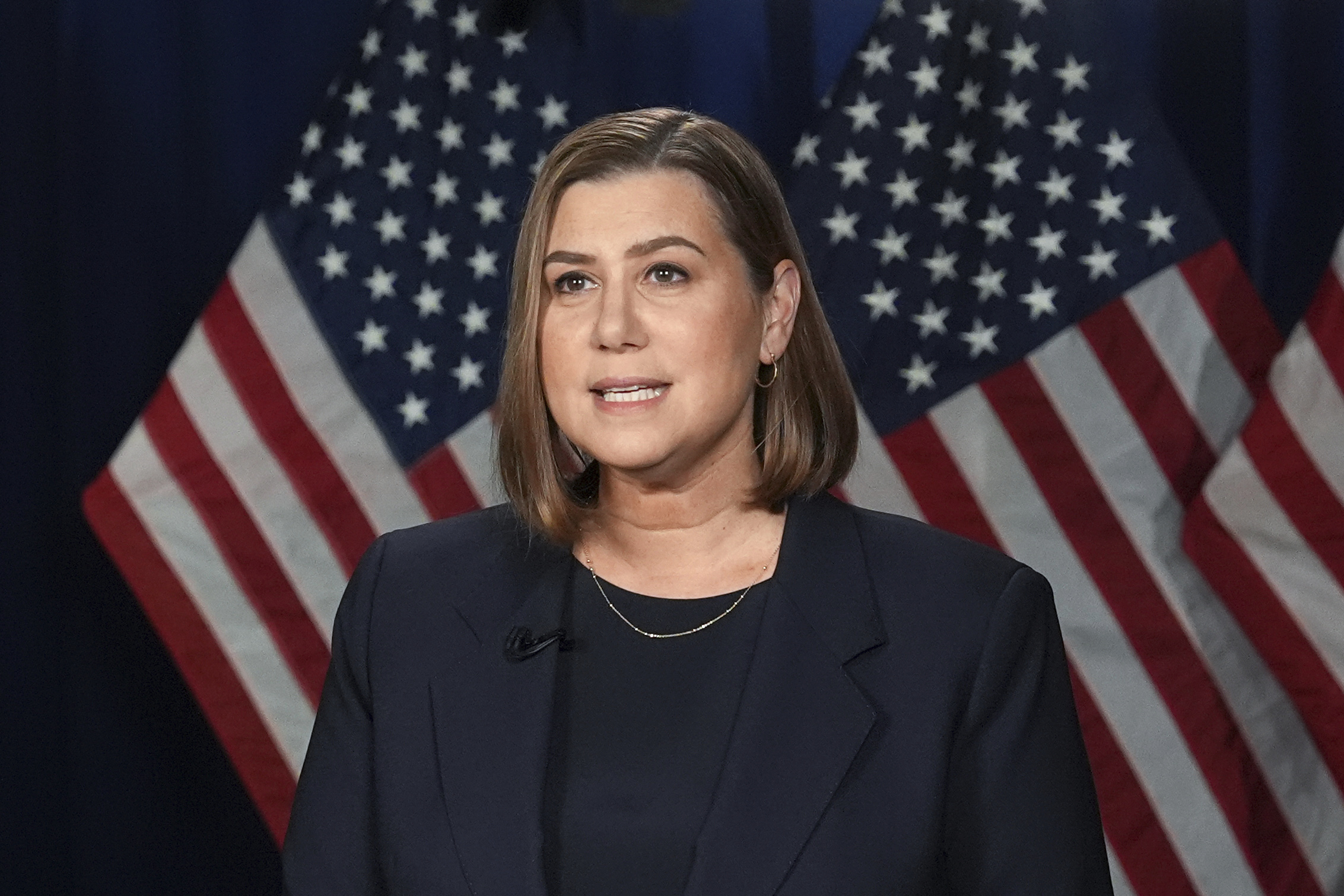
Senator Slotkin used her weekly intelligence briefing to highlight the tangle of issues facing Congress just days before a potential government shutdown. With federal funding set to run out on September 30, Slotkin said the debate over keeping the government open must also include an honest conversation about the cost of health care.
Slotkin, who spent more than a decade in national security roles before entering Congress, made clear that she isn’t interested in brinkmanship. “No one wants a government shutdown. Certainly not me,” she said, stressing that lawmakers need to sit down and negotiate in good faith. For her, that negotiation has to deal with the rising price of care. “Every single Michigander is at risk of losing their health care or having the price of their insurance go up,” she said. “I don’t know a single person who thinks we’re paying too little.”
From there, she pivoted to the farm economy—a subject she roots in her own life. Slotkin lives on her family farm and often frames agricultural issues as personal. She warned that tariffs reintroduced under the Trump administration are squeezing farmers, especially soybean growers, by cutting them off from foreign markets like China. “Farmers don’t want aid, they want trade,” she said.
Her security update zeroed in on Russia. Slotkin criticized President Trump for hosting Vladimir Putin in Alaska over the summer, an event she argued only emboldened Moscow. Since then, Russia has escalated its war in Ukraine and even sent drones into NATO airspace. “This is Putin saying, ‘I know I just sat with you in your own country, but now I’m going to do whatever I want,’” Slotkin said. She called for a tougher, bipartisan sanctions package and stressed that the rest of the world is watching how the U.S. responds. If Washington looks weak, she argued, Beijing will draw its own conclusions about how far it can push on Taiwan.
Finally, Slotkin touched on democracy itself, raising alarms about pressure on media outlets and comedians who criticize Trump. She said, “If we become a country where whoever’s in power can just say, ‘We don’t like the talk that’s coming out of that person,’ we eat away at one of our country’s most valued assets.”
Slotkin’s framing—tying health care to shutdown talks, linking tariffs to farm livelihoods, and placing Putin’s behavior in a global context—was as much about policy substance as it was about setting terms for the debates that will dominate the fall.



