
The entertainment world is still processing the abrupt removal of Jimmy Kimmel Live from the air, a decision that has sparked a firestorm of political and cultural debate. What began as a fairly routine bit of late-night commentary—Kimmel riffing on how Republicans were spinning the assassination of right-wing activist Charlie Kirk—has become the latest flashpoint in the battle over free speech, media, and government influence.
ABC announced this week that it was suspending Kimmel’s show indefinitely, without any clear timetable for his return. The decision followed days of escalating pressure from the Trump administration, as well as from major owners of ABC affiliates who signaled they might stop airing the program. Nexstar and Sinclair, two of the country’s largest local television operators, are both seeking federal approval for a massive deal to acquire more stations. The timing of their push to preempt Kimmel was not lost on observers, given how closely tied that approval is to the Trump administration’s FCC.
The administration wasted little time in celebrating. President Trump posted that ABC had “finally” done what “had to be done,” while the White House issued a statement calling Kimmel a “sick freak.” FCC Chairman Brendan Carr, a Trump ally, even responded to reporters’ questions with a GIF from The Office showing characters dancing—an unsubtle sign of victory.
For critics, the picture looks different. They see a major network bowing to political pressure in ways that are eerily reminiscent of state-run media in less democratic nations. Kimmel, who has long been a thorn in Trump’s side, is hardly the first comedian to face pushback from powerful figures. But rarely has a network yanked a flagship show so suddenly and so publicly over a set of remarks that, on their face, were not particularly incendiary.
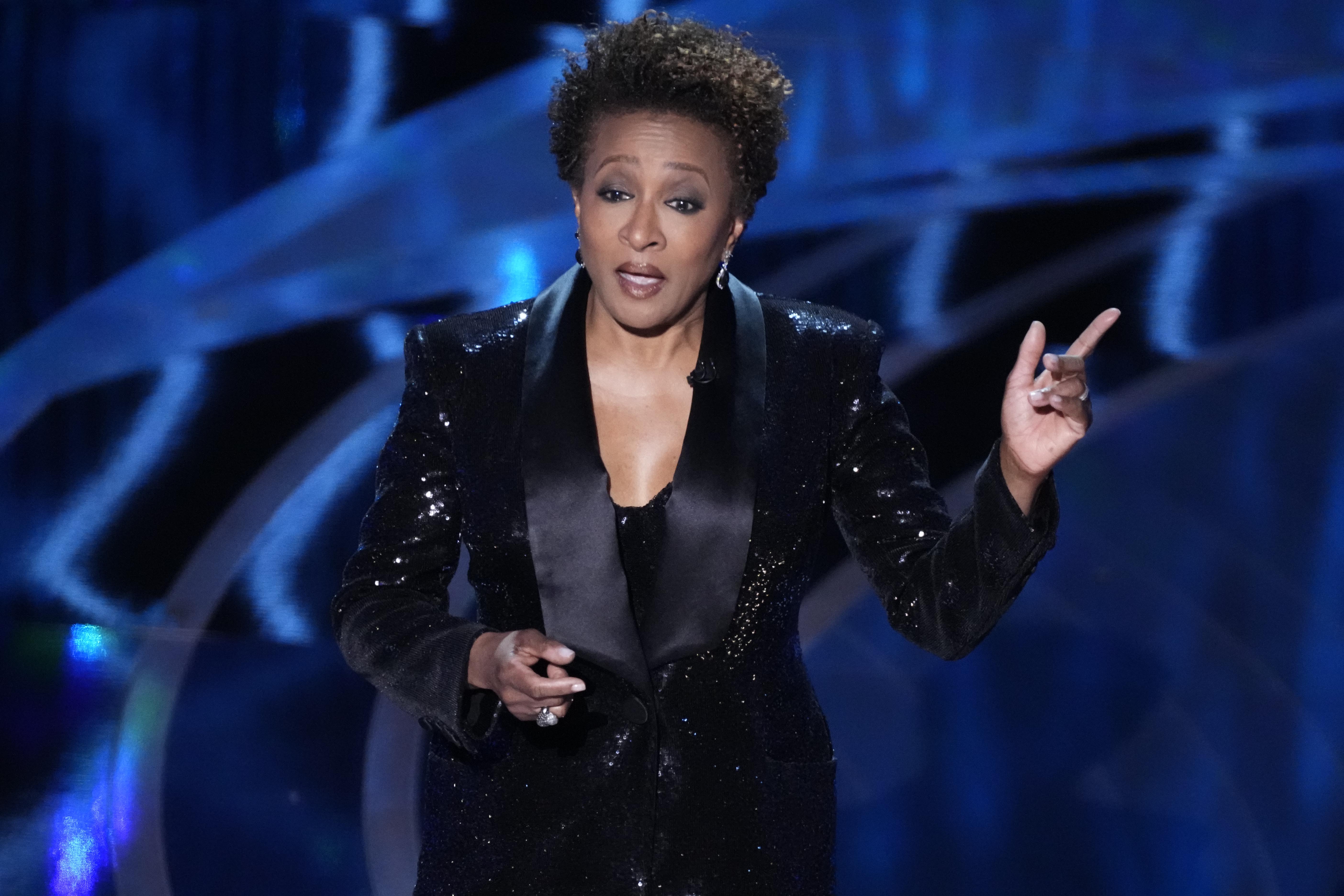
That point was underscored by comedian Wanda Sykes, who was scheduled to appear on Kimmel’s show the very night it was pulled. “I’m in a full face of makeup,” she said in a video posted online. “I was supposed to go over and have a chat with my friend Jimmy. But as you’ve heard by now, the show has been pulled indefinitely, abruptly, because of complaints from the Trump administration.”
Sykes, a longtime friend of Kimmel and an outspoken critic of Trump herself, said, “Of all things to be offended by, you know, I’ve heard a lot more offensive things said in the aftermath of this terrible, awful event than that. It just shows they were looking for reasons to get Jimmy Kimmel, and they manufactured one.”
Her comments go beyond defending a fellow comic. They highlight the uneasy moment media and entertainment find themselves in, where jokes and commentary can be met not just with backlash, but with regulatory threats. For some, that’s a sign of government overreach. For others, it’s simply politics by another name.
What’s clear is that Kimmel’s removal has become bigger than late-night television. It is a test case for how far political pressure can shape what Americans see and hear. Sykes called it “a textbook autocratic takeover playbook,” pointing to lawsuits against news outlets, publishing houses, and even universities as part of the same campaign.



