
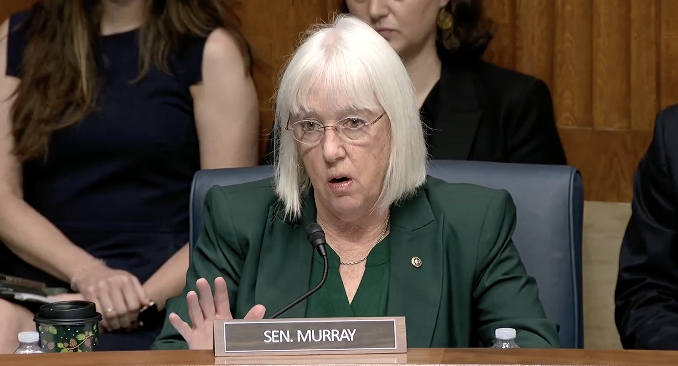
At a recent Senate hearing, Senator Patty Murray questioned former CDC officials about the controversial changes to vaccine recommendations announced earlier this year by Secretary Robert F. Kennedy Jr. The discussion centered on concerns over transparency, scientific evidence, and the credibility of advisory committees guiding national health policy.
Murray opened by pointing to Kennedy’s May announcement on social media that COVID-19 vaccines would no longer be recommended for most children and pregnant women. She shared the story of a pregnant nurse from her state who was turned away from multiple pharmacies after the announcement, highlighting the real-world confusion such abrupt policy shifts caused.
Dr. Debra Howry, then Chief Medical Officer of the CDC, testified that she learned about the new guidance the same way the public did—through social media. She emphasized that no supporting scientific data had been provided to CDC leadership, even after requests for documentation. “You can’t provide guidance off of a tweet,” Howry said, underscoring her concern.
Murray also raised broader worries about Kennedy’s stated intent to alter the vaccine schedule for diseases such as measles and chickenpox. Both Howry and former CDC Director Dr. Susan Monarez confirmed they had not seen any scientific evidence supporting such changes.
The hearing also touched on the role of the Advisory Committee on Immunization Practices (ACIP), which evaluates vaccine use in the U.S. Murray noted that Kennedy had dismissed all 17 members of the committee in June, calling them “a rubber stamp,” even while expecting his new appointees to pre-approve decisions without evidence.
When asked whether Americans could trust past ACIP recommendations, both Monarez and Howry expressed confidence in the previous committee’s expertise and rigorous processes. However, they voiced serious concerns about the newly appointed members, citing a lack of transparency, missing public data, and limited opportunities for public input ahead of upcoming votes.
The exchange highlighted a deep unease among public health leaders about sidelining science in critical decisions. As Murray put it, leaving top experts in the dark while reshaping vaccine policy is “alarming,” raising questions about whether future recommendations will meet the scientific and ethical standards needed to maintain public trust.
Source: Senator Patty Murray



