
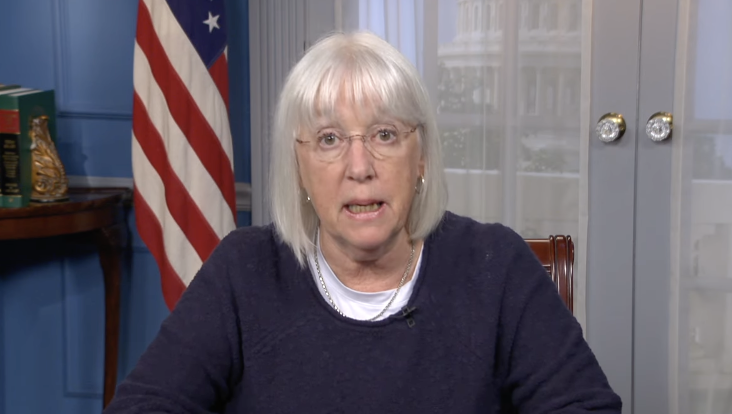
Senator Patty Murray of Washington, alongside state health officials and medical professionals, convened a press conference to address concerns over recent changes in federal vaccine policy. The discussion centered on the impact of decisions by federal leadership on vaccine access, public trust, and community health, with speakers emphasizing the importance of science-based guidance.
Federal Policy Changes and Their Consequences
Senator Murray opened by highlighting recent disruptions at the Centers for Disease Control and Prevention (CDC) and other health agencies. She expressed concern that the removal of established vaccine advisory committee members and leadership shakeups have undermined decades of scientific trust. Murray stated that these changes are already affecting families who are uncertain about whether they can access COVID-19 vaccines or find reliable information about keeping their children safe.
She announced that the Senate will soon hold a hearing with the former CDC director to bring more transparency to the situation. Additionally, Murray plans to call for an Inspector General investigation into the removal of key health officials and new restrictions on vaccine availability.
Washington State’s Response
Dennis Worsham, Washington State’s Secretary of Health, shared a personal story of a young athlete who experienced long-term health challenges after contracting COVID-19. He emphasized that such cases highlight the need for broader access to vaccines, not more limitations. In response to federal restrictions, Washington has issued a standing order allowing anyone 16 months and older to receive the COVID-19 vaccine without needing a prescription.
Worsham also described the formation of the West Coast Health Alliance, a partnership among Washington, Oregon, California, and Hawaii. This initiative aims to ensure consistent, science-based vaccine recommendations, filling the gap created by federal uncertainty. He stressed that public health is about prevention and that state leaders will act decisively to protect families’ access to care.
Medical Experts Speak Out
Dr. Vin Gupta, a Seattle pulmonologist and board member of the American Lung Association, criticized recent federal decisions as harmful to both patients and providers. He noted that many medical societies, including the American Academy of Pediatrics, oppose the policy changes. Gupta warned that reduced vaccine access could lead to resurgences of preventable diseases like measles and polio, while also jeopardizing future innovations such as mRNA vaccines for cancer and emerging infectious diseases.
Dr. Leslie Rivera, a pediatrician and interim executive director of the Washington Chapter of the American Academy of Pediatrics, spoke directly to parents. She stressed that vaccines remain one of the greatest public health achievements, saving millions of lives worldwide. Rivera cautioned that declining vaccination rates will result in more children hospitalized with preventable illnesses. She also pointed out risks for infants, who often rely on maternal vaccination for protection in their earliest months.
Looking Ahead
The speakers collectively urged families to seek guidance from trusted medical professionals and emphasized that children’s health depends on access to safe, effective vaccines. While federal policies are in flux, Washington leaders and doctors committed to providing science-driven recommendations and ensuring that families can make informed health decisions.
Source: Senator Patty Murray



