
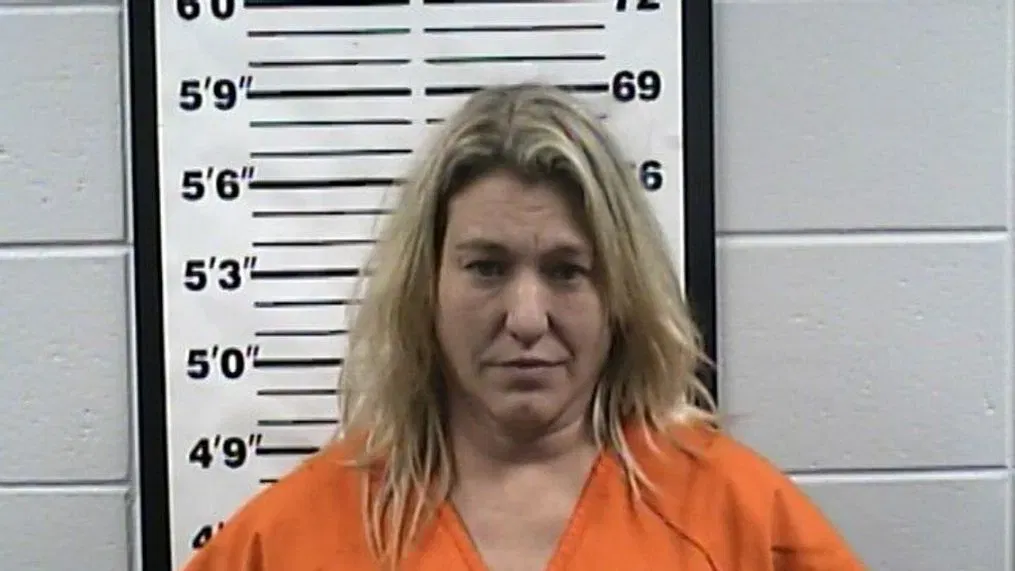
In a small Wisconsin town, a courtroom watched as Mary Terry was sentenced for killing her husband, Donald Britten Jr. The story begins on a chaotic October night in 2023 and ends in 2025 with a prison sentence that some in the victim’s family say still feels too light.
Terry, 50, of Laona, was handed 10 years in prison and another 10 years of extended supervision for running over Britten with her truck, dragging him nearly 50 feet, and killing him. She had been drinking heavily that night, with a blood alcohol concentration nearly four times the legal limit.
The case drew attention not only because of its brutality but also because of Terry’s shifting accounts of what happened. Initially she told investigators she was at home when she saw her truck parked on the road, and later found Britten lying near it, already injured. She denied hitting him. By the next day, her story changed: she admitted the two had been driving together and got into an argument before Britten dropped her off. Later, she claimed, she spotted the truck parked up the road, engine running, and her husband on the ground beside it. Again, she insisted she hadn’t struck him.
But the physical evidence told another story. There was the damage to Terry’s truck that were simpatico with Britten’s injuries, including an impression on the bumper that matched his clothing. Don’t forget the 48-foot drag mark that led investigators directly to his body. A final coroner’s report lists the cause of death as blunt force trauma from compression.
Facing overwhelming evidence, Terry eventually took a plea deal in January, admitting to homicide by intoxicated use of a vehicle in exchange for prosecutors dropping the more severe charge of first-degree intentional homicide. The plea capped her possible sentence at 25 years. Judge Michael Schiek, who presided over the sentencing, made clear on Friday that while Terry’s alcoholism was real, it did not excuse her actions or her denials.
“That’s the way you function, that was your everyday life,” Schiek told her in court. “Somebody at your level, functioning at high levels of intoxication, would remember something like that. But it’s easier to just deny it.”
Schiek also made it clear that in his view, the crime was not an accident. He cited the extensive record of evidence, photographs, and reports reviewed across months of hearings.
Family members of the victim filled the courtroom, listening as the sentence was handed down. For them, the ruling offered a kind of closure, though not the full measure of justice they might have hoped for. Terry will serve her time without access to treatment programs for the first eight years, though she will receive credit for the 35 days she has already spent in custody.



