
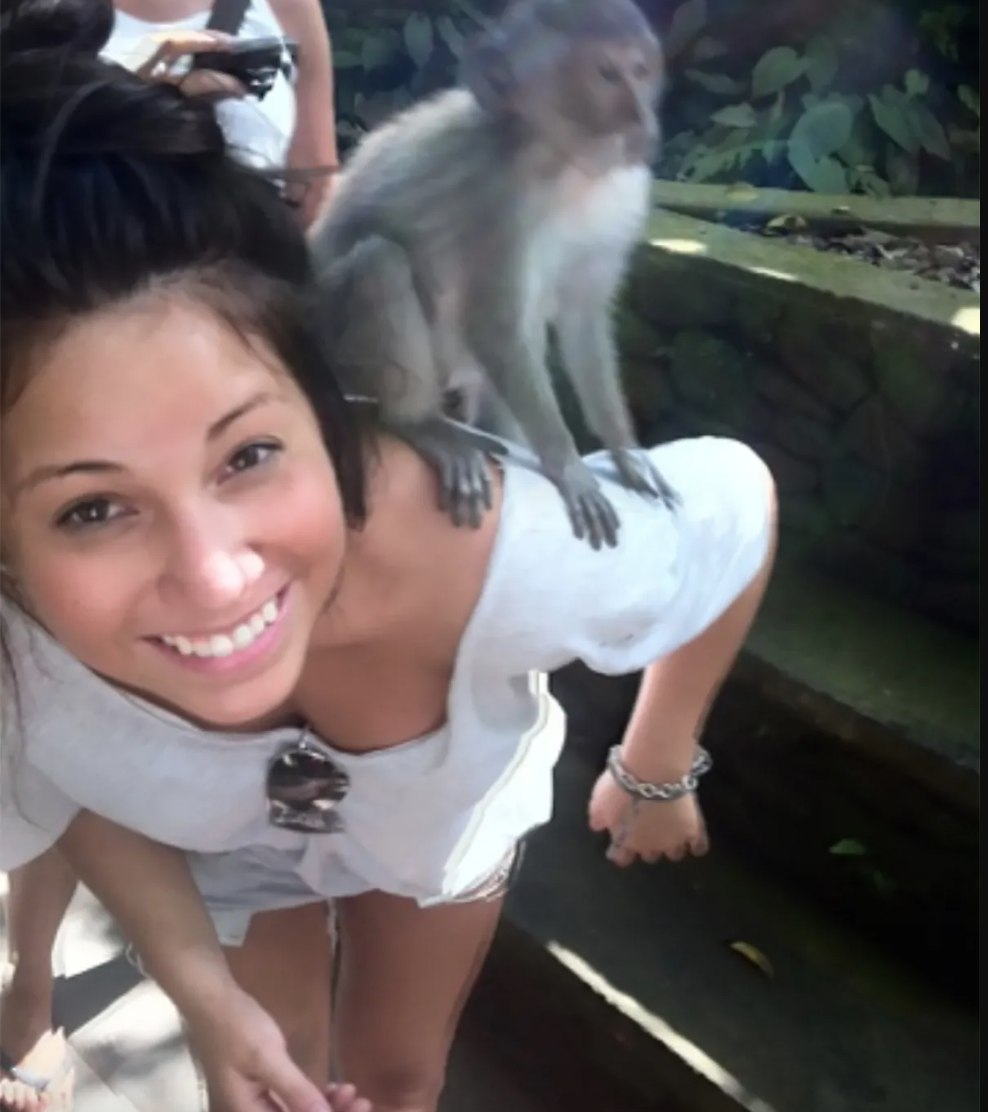
Ashley King’s story begins like countless others — a teenager on a gap year, traveling, dancing, and drinking cocktails on a warm night abroad. But what happened to her in 2011 was anything but ordinary. It was life-altering.
King, from Calgary, Alberta, was 18 and backpacking with her best friend through Bali’s beach town of Kuta when she stopped into what she describes as an “upscale nightclub.” The place wasn’t a back-alley dive; it had the polish of a tourist hotspot. She ordered a fruity vodka drink in a reusable bottle, the kind meant to keep you dancing without spilling. Nothing seemed unusual. She felt drunk, but not alarmingly so. Two nights later, as she made her way to New Zealand, the real danger emerged.
At immigration in Christchurch, King struggled to speak. Words slipped away, sentences slurred as if she were still tipsy. She chalked it up to exhaustion — long flights, lost luggage, and the stress of traveling alone. By the time she checked into her hostel, the disorientation had worsened. Nightmares jolted her awake. When she opened her eyes, the lamp by her bed appeared dark. She thought it had gone out. Later, she realized the truth: it wasn’t the lamp. It was her vision.
When she reached for her iPod, the screen seemed dead too. The hallway lights dimmed. She made her way to reception, gasping for air, convinced she was having an asthma attack. The receptionist drove her to a clinic. By then, she could no longer see the nurse’s fingers held up in front of her.
Doctors ran tests, skeptical at first that anything serious was wrong. Maybe drugs, maybe fatigue. But her bloodwork told the real story: large amounts of methanol.
Methanol is not the alcohol poured at bars. It’s found in antifreeze and fuels, sometimes slipped into counterfeit or bootleg liquor to cut costs. Just a mouthful can be deadly. When the body processes it, methanol creates formaldehyde and formic acid — toxins that destroy the nervous system, shut down breathing, and ravage the optic nerves. In Ashley King’s case, the drink that night in Kuta had poisoned her from the inside out.
Doctors scrambled to keep her alive. The initial treatment sounded absurd: they gave her vodka mixed with orange juice, cup after cup, because ethanol competes with methanol in the liver and slows its damage. “It was the weirdest drinking game,” she later said. “The drunker I got, the more I could breathe, the more I could see.” She underwent dialysis and spent days in the ICU. Her parents were called and told she might not survive.
She did. But her sight never returned. King was left functionally blind, with only about 2 percent vision. She describes it as static, like a television tuned to dead air — shapes, contrasts, sepia tones, but no detail. The girl who once dreamed of acting school, of independence, found herself back home, furious and grieving, living in her parents’ basement.
Over time, though, King rebuilt. She traveled again, this time blind but determined — swimming with sharks in South America, climbing volcanoes, snowboarding with friends guiding her down mountains. She wrote a play about her experience, Static: A Party Girl’s Memoir, which sold out in Calgary. She now advocates for methanol awareness, warning travelers that these cocktails — in seemingly legitimate clubs — can be lethal.
Fourteen years later, King has built the life she once thought was lost. She studied journalism, found work in theater, and still travels the world. But she hasn’t forgotten the night in Bali that changed everything. Her story is less about survival in the immediate sense — though she nearly didn’t make it — than about living with the permanence of that night. “I just happen to be doing things that are a little bit harder,” she says.
The danger of methanol in tourist bars remains, and King knows her story won’t undo what happened. But if telling it saves even one other traveler, she says, then sharing her trauma will have been worth it.



