
Beer may be the drink of backyard barbecues, ballgames, and breweries today, but its roots stretch back thousands of years—and those roots are decidedly female. For much of history, brewing was women’s work, a skill passed down through generations, as essential to daily life as baking bread. The story of beer is, in many ways, the story of women, whose ingenuity and labor transformed fermented grains into one of humanity’s most beloved beverages.
Evidence of beer brewing goes back as far as 7,000 BCE in Mesopotamia. The earliest written records, found in Sumerian texts, make it clear that women were the ones brewing beer for their households and communities. It wasn’t just a practical task, either—beer was central to nutrition, religion, and ritual. The process itself was surprisingly close to baking. Women mixed water, barley, and wild yeast in much the same way they made bread. In fact, many historians believe the first beers may have been discovered by accident when dough was left to ferment. What might have looked like a spoiled batch turned into something nourishing, intoxicating, and, frankly, delightful.
In ancient Sumer, beer was considered a divine gift, with women as its keepers. The goddess Ninkasi, revered as the deity of beer and brewing, was even honored with a hymn that doubled as one of the world’s oldest recipes. The “Hymn to Ninkasi”, dating back to around 1800 BCE, describes the fermentation process in poetic detail, showing just how sacred beer-making was. In Egypt, women were often shown brewing beer in tomb paintings, supplying both everyday meals and grand religious ceremonies. Beer was so central to Egyptian life that it was used as currency for laborers and seen as a basic dietary staple. Female brewers were respected artisans, celebrated for their skill.
Fast forward to medieval Europe, and women were still running the brewing world. Known as alewives, women brewed small batches at home and sold them in markets or directly from their kitchens. Their work wasn’t just about business; it was survival. In many communities, beer was safer to drink than water and provided essential calories. Alewives were easily spotted at markets—they wore tall hats, stirred large cauldrons, and hung a broom outside their door to signal that beer was for sale. These symbols, over time, became twisted into the imagery of “witches,” a smear campaign that coincided with men moving in to professionalize and dominate the brewing industry.
By the 16th and 17th centuries, brewing shifted from household craft to commercial enterprise. As brewing became more profitable, guilds and laws began excluding women. The work that women had perfected over millennia was slowly wrested away. In England and across Europe, larger breweries run by men began to dominate production. Taxes and regulations made it harder for women to sell their beer, and the negative stereotypes about alewives—as sloppy, dishonest, or even witchlike—undermined their reputations.
By the 18th and 19th centuries, women were largely erased from the brewing industry as their contributions were obscured by a male-dominated narrative that persists into today.
The rise of the craft beer movement in the late 20th century opened doors to new voices, and women have stepped back into roles as brewers, entrepreneurs, scientists, and leaders. Organizations like the Pink Boots Society have worked to support women in brewing, offering education and mentorship to help them thrive in an industry that once pushed them out.
Across the globe, women-led breweries are challenging old stereotypes and carving out space in a field still dominated by men. Some are even deliberately honoring the traditions of ancient brewing, creating beers inspired by recipes linked to Ninkasi and other early brewing practices.
Women brewed to feed their families, to nourish their communities, to honor their gods. They turned chance discoveries into something lasting and essential, an art and science that would outlive empires and dynasties.
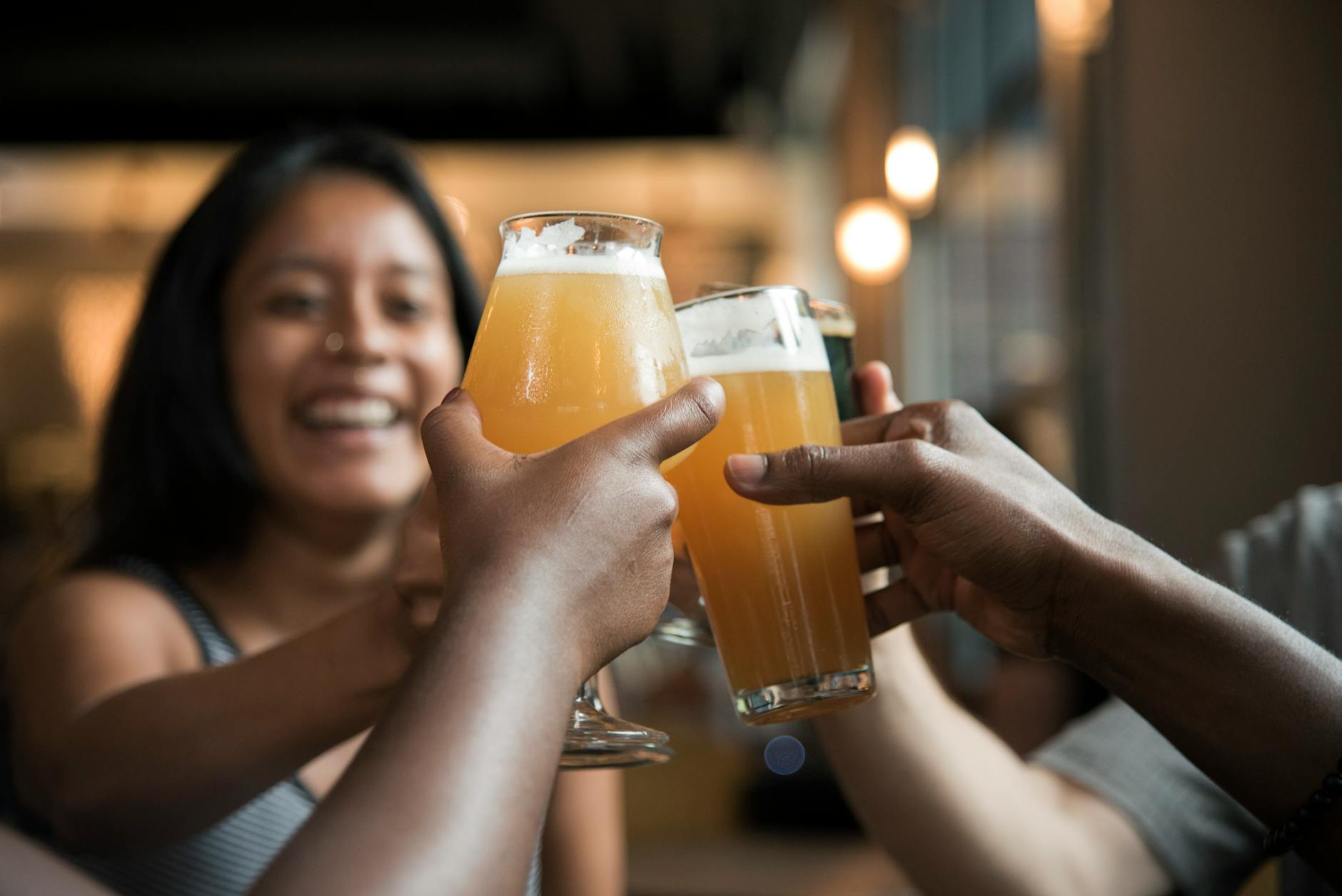
The next time you raise a pint, it’s worth remembering that this drink was born in the hands of women who mixed grain and water, tended fermentation, and passed along recipes that laid the groundwork for the global beer culture we enjoy today.
So here’s to them—the original brewers, the alewives, the innovators. Their story is one of quiet persistence, almost forgotten but now being told again. And with each toast, each sip, we not only honor their craft but also the enduring spirit of women who, long before breweries and brand names, turned a simple mixture into something extraordinary.



