
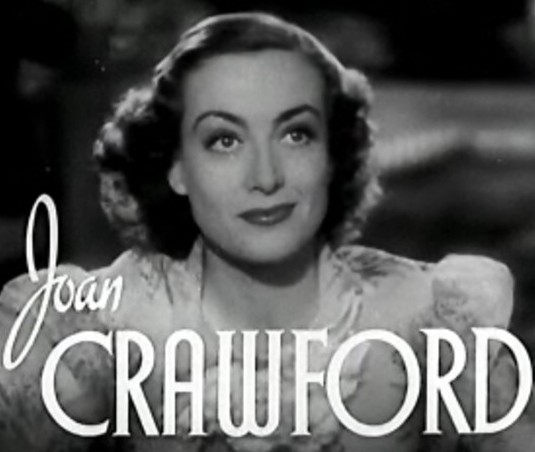
Joan Crawford isn’t just a star of the Golden age of Hollywood, she’s a woman who reinvented herself time and time again. Born Lucille Fay LeSueur in 1904 in San Antonio, Texas, she didn’t exactly arrive with the silver spoon that many of her contemporaries carried. Her father left when she was still a child, and her mother worked as a laundress to keep the family afloat.
As a teenager, she landed chorus jobs in Kansas City, a world away from the life she was born into. That hustle eventually brought her to Hollywood in the mid-1920s, where she signed with MGM. Studio bosses thought her name “Lucille LeSueur” sounded too clunky, so a fan magazine contest rechristened her “Joan Crawford.” The name alone carried a kind of sparkle, the sort of thing people would remember when they left the theater.
Her breakthrough role came with the 1928 silent hit Our Dancing Daughters, where her energy and charisma made audiences pay attention. She wasn’t the most conventionally beautiful star, but she was magnetic — and she knew how to use that magnetism. The transition from silent films to talkies tripped up plenty of actors, but not Crawford. She leaned into the microphone and kept moving. By the 1930s and 1940s, she was one of MGM’s biggest attractions, starring in films like Grand Hotel (1932), The Women (1939), and the role that defined her legacy, Mildred Pierce (1945), which earned her an Oscar.
Crawford often played women who fought their way out of hardship — characters whose toughness mirrored her own. Offscreen, she was just as strategic. Famously, she never appeared in public without looking like “Joan Crawford, the movie star.” As she once put it, “If you want to see the girl next door, go next door.” For her, image was not frivolous. It was armor.
Crawford was a pioneer in Hollywood longevity, stretching her career from the Silent Era well into the 1970s. When parts for older actresses began to dry up, she reinvented herself again, stepping into psychological thrillers like Whatever Happened to Baby Jane?, proving she had the goods to thrill audiences even after her prime.
Her influence wasn’t confined to film. After the death of her husband Alfred Steele, the CEO of Pepsi-Cola, she served on the company’s board of directors. It was a reminder that Crawford wasn’t just a screen goddess; she was also a savvy businesswoman who knew how to wield power in rooms far from Hollywood.
Crawford’s life was often messy and, at times, controversial. But it’s impossible to deny her force. She embodied the idea that success doesn’t just happen — it’s built, fought for, and defended, year after year.



