
When 18-year-old Jose Arevalo rented out his 2013 Nissan Leaf on the car-sharing app Turo, he thought he’d found a reliable way to bring in some extra income. But less than a week into the experiment, he found himself sifting through dashcam footage of a crash that showed his renter texting with both hands before slamming into a street sign — footage that contradicted her claims that someone else had forced her off the road.
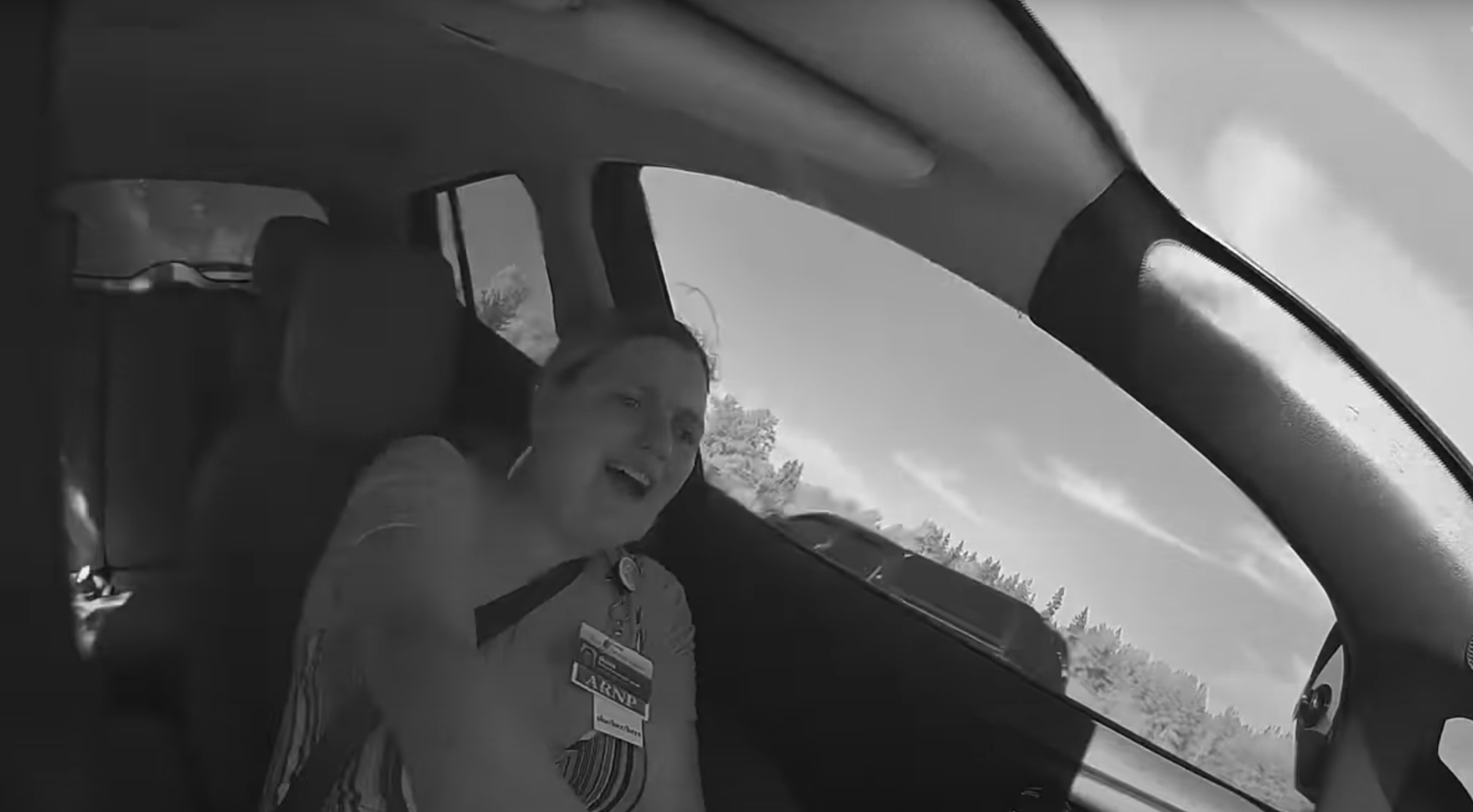
The crash happened on August 25 in Arlington, Washington. The video begins with the unnamed woman, behind the wheel of Jose’s car, holding her phone up as her thumbs race across the screen. With both hands off the wheel, the car slowly veers toward the roadside. Seconds later, she looks up, realizes she’s drifting, and lets out a scream. She tries to correct course, but the Leaf plows into a mailbox and a street sign before coming to a stop.
What’s striking in the footage isn’t just the crash but the reaction: the woman throws her head into her hands and wails in frustration.
Hours later, Jose says, she sent him a message claiming she’d been “driven off the road” and that the car was already being towed. “I believed what she texted me and thought someone had really driven her off the road,” Jose said. “To see her so blatantly texting and then so clearly lie about it seemed so strange to me.”
The dashcam, which Jose had installed months earlier and made clear to renters was active, told a different story. Instead of being the victim of a reckless driver, the woman had been distracted, her crash entirely self-inflicted. According to Jose, she later told him she’d filed a report with the Snohomish County Sheriff’s Office and submitted an insurance claim to Turo — both of which omitted the fact that she’d been texting.
For Jose, the accident wasn’t just frustrating — it was expensive. Repair estimates came to $4,959, a bill that outweighed the value of the car itself. For a part-time trampoline park employee trying to make ends meet after his hours were cut, the setback stung.
It also left him with a lingering question about trust. “One of the first things I thought of when she texted me about the accident was the dashcam, but she didn’t say anything about it,” he said. “I just took her word on what happened because I figured, who would lie on a police report?”
The footage has since made its way online, a stark reminder of the dangers of distracted driving — and of how technology can expose the gap between what people say and what really happened.



